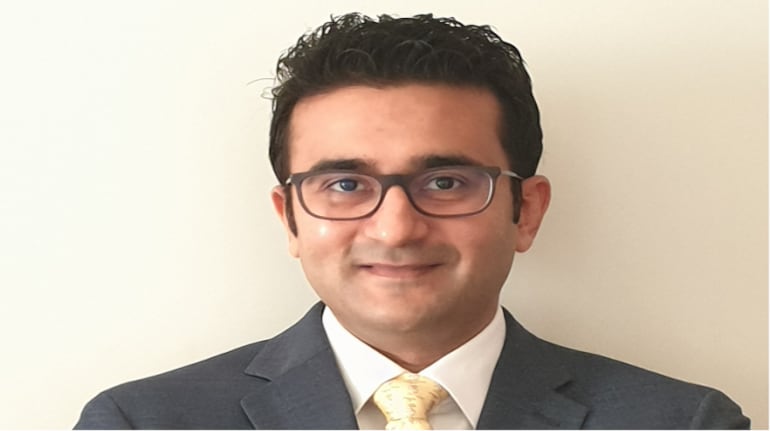
Private sector banks, select tier-2 consumers staples names, IT will be viewed as a safe haven and a hedge to domestic India, Amit Shah - Head of India Equity Research - BNP Paribas, said in an interview with Moneycontrol’s Kshitij Anand. Edited excerpts:
Q) Markets are on a high despite muted commentary from global institutions. What are the factors that could cap the upside for Indian markets?A) The IMF outlook, although seems worrying, is now well known. India, compared to the developed countries, faces its own unique set of challenges, spanning from sluggish growth (before COVID) to challenges on the migrant workers’ front, getting them back in the workforce, and lacklustre demand despite a strong fiscal stimulus, as compared to the developed countries.
Hence, Indian equities continue to underperform their Asian peers as well as the developed markets. India is the worst-performing market across Asia/Asean barring Indonesia on a YTD basis.
India had a decent rally in June when it caught up with some of the under-performance. However, we continue to see cases increase, and economic indicators do not show any material improvement in the near term thereby capping the upside in the equity market.
Having said that, we do not expect a material downside and definitely believe the worse is behind us in terms of equity market performance.
Q) How would you describe the last six months of 2020 in one word?A) The first half of 2020 can be best defined as a “rollercoaster”. The COVID-19 pandemic which started in China and reached India by early March.
As a result, global markets and India saw a steep decline falling almost 35 percent from late February to March 23 when the lockdown was announced.
The announcement of lockdown instilled the hope of containing the spread limiting the potentially damaging effects of the pandemic in India, which then resulted in a sharp recovery where we saw the Nifty rising 35 percent again to reach current levels.
This rollercoaster ride was driven by initial panic of the “fear of unknown” hitting the markets and then followed by recovery as we better understand the problem at hand and start working towards it.
Typically, such events elongate the complete recovery materially, despite the recovery seen up to June, the markets are still down 15-17 percent from the highs seen in early 2020. We are now in the phase that the pandemic is well known and now earnings season is in focus.
Q) Where do you see markets, earnings heading in the next six months?A) At the start of the pandemic, we had estimated and we still believe that the earnings decline for FY21 will be in the range of 15-25 percent.
More than the earnings, the market will look for cues in the commentary from companies and earnings outlook for FY22.
We believe March-21 fair value to be in the range of 9,600–11,100, depending on how far the lockdowns get extended. As highlighted earlier, this does indicate that the worse is behind us.
Q) In the first six months of 2020 we saw plenty of buybacks as well as companies announcing delisting. What is the rationale behind it, and do you think this trend would extend in the next six months as well?A) It is unlikely, in our opinion, to see buybacks from companies. The lockdown has had a material impact on demand and strained balance sheets of companies.
There will always be a few cash-rich companies as seen in the consumer and IT space but even there we do not see material buybacks.
We think the reverse will be in play as seen recently with some of the large private sector banks, wherein companies come to market to raise cash. This trend, we believe, will only expedite in the months to come.
Q) Which sectors are likely to turn out to be leaders and laggards in the next six months?A) Private sector banks, select tier-2 consumers staples names, IT will be viewed as a safe haven on and a hedge to domestic India.
We believe, the downstream energy companies can benefit from a global recovery in petroleum demand and also expect the telecom sector to be of interest on the back of market consolidation as well as higher ARPUs.
We remain cautious on the Auto sector as we believe the discretionary nature of the purchase will mean they will be laggards in terms of recovery, we are also negative on consumer discretionary and the real estate space.
Q) Many new investors joined the party on D-Street in the first six months to start their journey of becoming a millionaire if they remain invested for a long term. But, as we head into the next six months – which are the survival tips you would like to share with them to keep them afloat amid volatility?A) India has been a tale of extremes. As seen in the last few years, with this year being no different, the majority of the market performance is driven by a handful of stocks.
Even this year, we have seen 75 percent of the Nifty performance come from the top ten stocks. We believe, the next six months will key and will provide interesting opportunities for long-term investors.
We advise investors to stick to quality names until there is a return in risk appetite. While the front line stocks have already run, we believe, there are quality laggards, which can do well in the months to come.
These are companies with a sound business model, but see a material impact from COVID-19 and hence will see delayed recovery but have the balance sheet to survive the crisis and benefit when the tide turns.
Disclaimer: The views and investment tips expressed by experts on Moneycontrol.com are their own and not those of the website or its management. Moneycontrol.com advises users to check with certified experts before taking any investment decisions.
Discover the latest Business News, Sensex, and Nifty updates. Obtain Personal Finance insights, tax queries, and expert opinions on Moneycontrol or download the Moneycontrol App to stay updated!
Find the best of Al News in one place, specially curated for you every weekend.
Stay on top of the latest tech trends and biggest startup news.