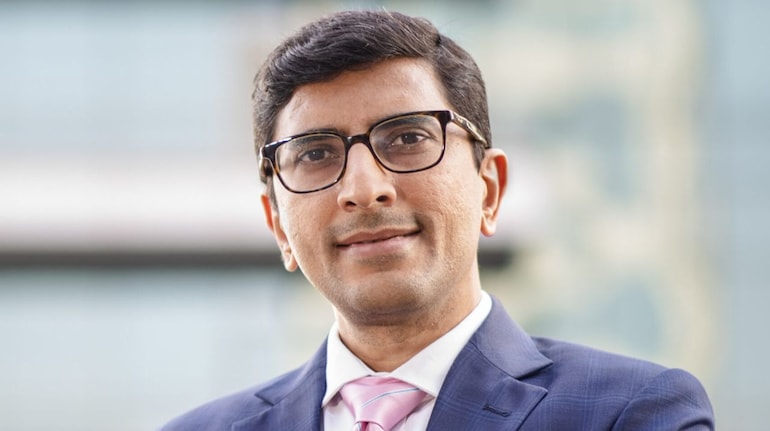

Rajesh Kothari, the Founder & MD at ALF Accurate Advisors, expects the RBI to keep rates unchanged in the upcoming April policy, maintaining a cautious stance in light of global uncertainties, particularly around crude oil and geopolitics.
While domestic macros remain relatively strong—with stable inflation and steady growth—the RBI is likely to prioritise financial stability and inflation vigilance, especially given external risks, he said in an interview to Moneycontrol.
According to him, if high crude prices persist amid West Asia war, it could lead to higher subsidy burden (especially LPG/kerosene), lower excise flexibility, and potential pressure on the current account, which indirectly affects fiscal math.
Do you see the Federal Reserve raising benchmark interest rates or maintaining a prolonged pause in 2026 after the recent Fed meeting outcome?
Going forward, the duration of the war and its impact on crude oil prices will shape the policy response of central bankers globally. As of now, the Fed is clearly in pause mode.
Do you think market valuations have returned to historical averages, especially after the significant correction caused by the Iran conflict?
The Nifty is currently trading around ~18.5x FY27 earnings, which is below 10 years averages.
Do you believe the market downside is now limited, given that most of the negative West Asia news has already been priced in?
Importantly, India’s macro fundamentals today are far stronger than during the Russia–Ukraine phase—with better growth visibility, stronger balance sheets, and more resilient domestic flows. So while valuations are not outright cheap, the risk-reward has improved meaningfully, particularly for long-term investors. Hence downside seems limited.
Do you expect any impact on the fiscal deficit due to oil prices remaining above $100 a barrel?
Oil prices sustaining above $100 per barrel can have an impact on the fiscal deficit, but the extent of the impact will depend on how long prices remain elevated and the policy response of the government. India today is far better placed than in earlier cycles, with stronger tax buoyancy, controlled subsidy frameworks, and improved fiscal discipline.
That provides some cushion. However, if high crude prices persist, it could lead to higher subsidy burden (especially LPG/kerosene), lower excise flexibility, and potential pressure on the current account, which indirectly affects fiscal math. At this stage, the impact is manageable, but a prolonged period of elevated crude could lead to moderate slippage in fiscal deficit targets.
Are you concerned about FY27 earnings expectations, particularly in light of Middle East tensions and their impact on oil prices?
We are not overly concerned about FY27 earnings expectations at this stage. The Street is building in ~15% earnings growth, which comes on the back of a relatively low base of ~9% growth in FY26, making the trajectory more achievable.
That said, the key monitorable remains crude oil. If elevated crude prices sustain for a prolonged period, it can exert downward pressure on margins, particularly for consumption-oriented sectors, and may lead to moderate earnings downgrades.
However, India’s macro backdrop remains supportive—with improving balance sheets, healthy credit growth, and continued capex momentum—which should help absorb part of this pressure.
Are you currently buying banking and financial stocks amid the market decline?
We are selective in our approach towards banking and financial stocks amid the recent market decline. While the sector remains structurally strong, especially with improving credit growth and balance sheet quality, not all pockets offer equal opportunity.
We prefer institutions with strong liability franchises, consistent asset quality, and better growth visibility, particularly those that are likely to benefit as the post-merger integration stabilises.
The recent correction has created selective entry opportunities, but this is not a broad-based buying call—discipline and stock selection remain critical.
Are digital platforms, defence, and pharma still attractive investment themes at this stage?
We continue to see digital platforms, defence, and pharma as structurally attractive themes, but at this stage, we are adopting a highly selective approach.
In digital platforms, the focus is on business models with clear profitability visibility, not just growth narratives.
Defence remains a strong long-term opportunity driven by policy support and indigenisation, though valuations in parts of the space are demanding.
Pharma offers defensive characteristics and export opportunities, especially in a volatile global environment.
Do you expect the RBI to keep rates unchanged in the April policy meeting? What are your expectations regarding the RBI’s commentary?
We expect the RBI to keep rates unchanged in the upcoming April policy, maintaining a cautious stance in light of global uncertainties, particularly around crude oil and geopolitics.
While domestic macros remain relatively strong—with stable inflation and steady growth—the RBI is likely to prioritise financial stability and inflation vigilance, especially given external risks.
On the commentary, we expect the RBI to retain a balanced to slightly cautious tone, highlighting:
* Uncertainty around global commodity prices
* The need to remain watchful on inflation trajectory
* Continued support for growth without compromising stability
Overall, the stance is likely to be ‘pause with readiness to act’, rather than any immediate shift towards easing.
Disclaimer: The views and investment tips expressed by experts on Moneycontrol are their own and not those of the website or its management. Moneycontrol advises users to check with certified experts before taking any investment decisions.Discover the latest Business News, Sensex, and Nifty updates. Obtain Personal Finance insights, tax queries, and expert opinions on Moneycontrol or download the Moneycontrol App to stay updated!
Find the best of Al News in one place, specially curated for you every weekend.
Stay on top of the latest tech trends and biggest startup news.