The Reserve Bank of India's (RBI) decision to extend the loan moratorium facility by another three months till August 31 could backfire on the microfinance industry as this could spoil the credit culture of even willing borrowers, a section of microlenders fear.
“The moratorium for the March-May period made perfect sense since everything was shut due to lockdown. But now that most of the activities are back to normalcy and payments are slowly getting normalised, this extension was not needed and could even prove to be counter-productive to the sector,” said Kishor Kumar Puli, Managing Director and CEO of Pradakshina Fintech, an NBFC based in Hyderabad. Puli was earlier running an MFI called Trident Microfinance.
Since most borrowers of MFIs are from low-income segments, it is difficult to restore the credit culture once the payments go off the track, Puli said. In 2010, during the Andhra Pradesh microfinance crisis, the sector had witnessed a significant deterioration in credit culture. That time, local politicians had encouraged borrowers to stop repayments to MFIs.
Last Friday, RBI Governor Shaktikanta Das had announced an extension of the moratorium scheme by another three months in the context of the economic environment. Das also announced a few more measures to make liquidity available in the banking system and push credit to industries.
These include permission to lending institutions to convert the accumulated interest on working capital facilities over the total EMI deferment period of six months into a funded interest term loan, hiking the group exposure limit to 30 percent from 25 percent for enabling corporates to meet their funding requirements from banks, relaxing export credit rules and permission for Small Industries Development Bank of India (SIDBI) to roll over Rs 15,000 crore refinance beyond the earlier permitted 90 days.
Microfinance institutions are slowly limping back to activity after a two-month-long lockdown. Most MFIs have seen their collections improving over the last one week as borrowers are getting back to normal business activities following lockdown relaxation in states.
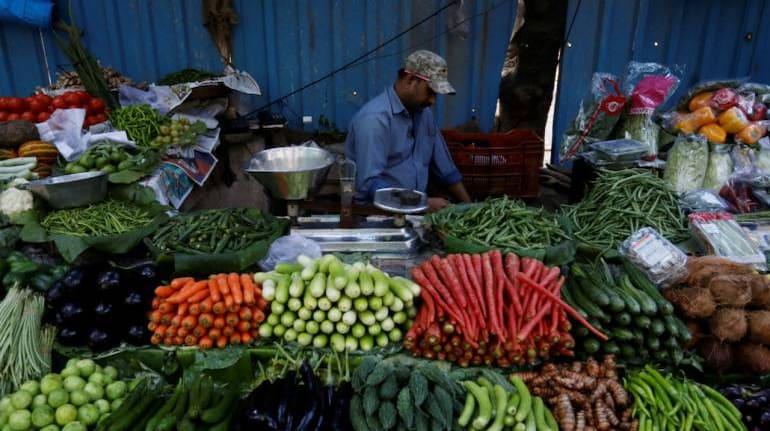
“We are getting reports of collections picking up in most places. Most of MFI borrowers are people running small businesses like local Kirana stores or vegetable shops. These shops have begun to function normally in most places,” said P Satish, executive director of Sadhan, an organisation of microlenders.
MFIs are institutions which lend small-ticket loans to low-income borrowers for 20-22 percent for 18-24 months. Till December, all MFIs including NBFCs and not-for-profits have a total loan outstanding of Rs 1,05000 crore to 56 million borrowers.
MFIs typically borrow from banks and other NBFCs to onlend to their customers. The lockdown had made it difficult for MFIs to do collections from borrowers. MFIs typically collect payments in cash on a weekly basis.
Back-to-back moratoriumAlso, MFIs are concerned whether banks will follow the RBI cues and extend the moratorium to microlenders while MFIs give the same to their borrowers. “In the last round, banks were hesitant to give moratorium on our payments but later they agreed following RBI intervention. This time we will have to see how banks respond,” said Satish. According to him, MFIs are yet to get moratorium from SIDBI and Mudra.
Banks agreed to give moratorium to NBFCs after multiple meetings with the RBI top brass.
Although banks have started giving moratorium to MFIs, they are doing it only on a case-to-case basis to microlenders. This would mean that even when MFIs face a drastic fall in collections, they need to keep paying back to banks. After the RBI has extended the moratorium facility, MFIs have begun writing to banks seeking the moratorium facility. Banks are yet to respond.

Discover the latest Business News, Sensex, and Nifty updates. Obtain Personal Finance insights, tax queries, and expert opinions on Moneycontrol or download the Moneycontrol App to stay updated!
Find the best of Al News in one place, specially curated for you every weekend.
Stay on top of the latest tech trends and biggest startup news.