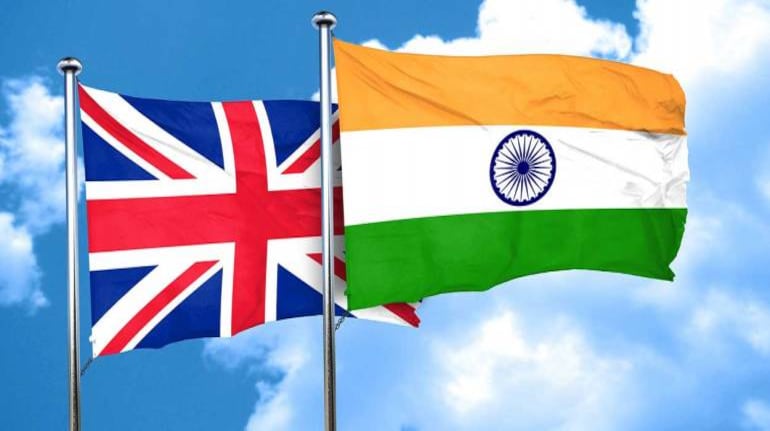
The UK has been one of the most popular overseas study destinations among Indian students because of its top-ranked universities, strong college-industry connections, excellent research opportunities, and modern infrastructure. Now the Union Cabinet’s ex post facto approval of a memorandum of understanding on mutual recognition of academic qualifications between the two countries will further cement the UK’s position. The pact will pave the way for better academic cooperation and student mobility.
What is the aim of this MoU?
This MoU aims to increase educational opportunities for Indian students in the UK and vice versa. It will facilitate closer alignment in education between India and the UK, enhance short-term bilateral mobility, and ensure mutual recognition of qualifications.
Who would be the biggest beneficiaries of this agreement?
The biggest beneficiaries would be the young people of the UK and India as they will now have better accessibility and internationalisation of education.
How will this MoU help students in both countries?
This agreement will allow Indian students graduating from UK universities to enrol in postgraduate courses or explore government jobs upon returning home.
After this pact, A-levels and their equivalents and undergraduate and postgraduate degrees will be recognised in India. Similarly, Britain’s higher education institutions will accept Indian senior secondary school or pre-university certificates.
What is the scope of this MoU?
The significant changes announced under the MoU include:
● Mutual recognition of educational qualifications, student study period, degree/qualification-related documents, and accreditation by higher education institutes.
● Recognition of partial education and credit transfers from the UK to Indian institutions and vice versa. Partial online courses will get recognition and online courses will be recognised after evaluation on a case-by-case basis.
● It will pave a smoother way for joint degree programmes to be delivered in both countries, as envisioned in the National Education Policy 2020.
What’s in it for transnational education providers?
The reimaging of education as stackable credits, which can be conveniently transferred from an educational institute in India to a university in the UK, and vice versa, will empower transnational education promoters and providers. The ease that mutual recognition of academic documents and study duration will bring to the otherwise cumbersome study process abroad is bound to encourage more Indian students to pursue their education in the UK.
What are the expected outcomes of this MoU?
Bilateral exchange of information on course curricula, standards, and increased investment in research are some of the likely outcomes of the agreement. Other significant wins include:
● Development of study programmes incorporating the best of Indian and UK universities’ curricula, deeper cooperation in higher education, parity regarding the acceptance of qualifications, and creating a global workforce.
● Improved training to bridge skill gaps through engagement between professional bodies and regulators in India and the UK.
What more was expected from this MoU?
Currently, there are no clear guidelines regarding recognising online credentials for availing Graduate Immigration Route (GIR) benefits. Also, professional degrees like engineering, medicine, pharmacy, nursing, law, para-medical education, and architecture remain out of the purview of the MoU.
In the end:
The agreement is a step taken in the right direction towards ensuring quality education, eventually leading to better economic mobility and excellence in internationalised education.
Discover the latest Business News, Sensex, and Nifty updates. Obtain Personal Finance insights, tax queries, and expert opinions on Moneycontrol or download the Moneycontrol App to stay updated!
Find the best of Al News in one place, specially curated for you every weekend.
Stay on top of the latest tech trends and biggest startup news.