Tighter wallets, especially among the low-income groups, has hit the men’s underwear sales for the mass and mid-premium players, moderating their revenue in the second quarter, according to company executives.
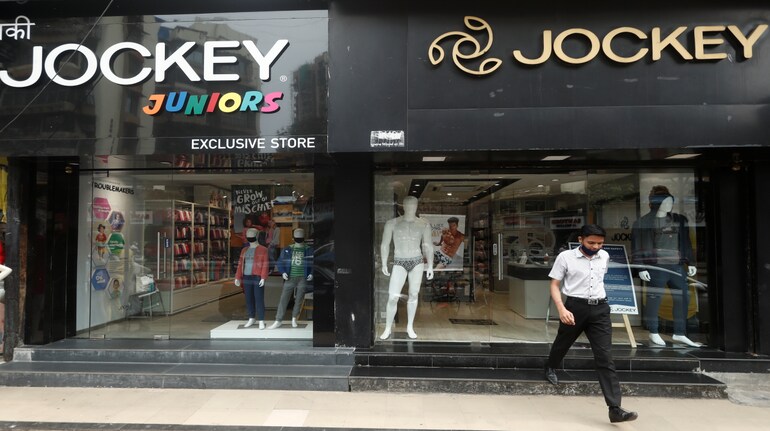
Both Lux Industries and distributor of Jockey, Page Industries, flagged strain in sales growth due to subdued performance in the category.
Although, food and retail inflation has been tamed from the highs of 2024, sticky core inflation and low wage growth, has clipped the spending power of most households. In most economies, male underwear sales mirror the economic health of the country as delaying replacements like underwear, reflects deeper financial caution.
"There is pressure for spend which is harder at the entry level or at the bottom of the pyramid. One of the conclusions could be that recruitment into the brand from the bottom of the pyramid might be slower than what we want it to be. And hence, efforts towards fueling that in terms of our marketing initiatives is what we are looking at," Page Industries Chief Executive Officer, Karthik Yathindra, told analysts in a post earnings call last month.
Jockey brand penetration in men’s innerwear is in the range of 17.5-18 per cent as of Q2FY26, down from 19-20 per cent a year earlier. The company, which is the exclusive distributor of Jockey and Speedo brands in India, is working on various initiatives for tapping into the bottom of pyramid customer cohort. In Q2, Page Industries reported muted revenue growth of 4 per cent YoY, with volume growth of 2.5 per cent to 56.6m units.
" With trade inventory normalized, volume growth was expected to accelerate from 2Q onward. However, since the consumption environment was mostly subdued during the quarter, growth delivery was uninspiring," brokerage Motilal Oswal wrote in a note dated November 13.
In FY25, Page reported revenue growth of 9 per cent, down from the double digit growth recorded in the post-pandemic years.
"It's been about 3.5 years since we've touched product prices for the brand, which means that with all the inflation in the market, the product has actually become that much more accessible than what it was a few years ago. So technically, access-wise, we are there and we're back to where we were 2 years ago or 3 years ago. That is leading us to indicate that the pockets are stretched for sure," Yathindra said.
Its peers Lux Industries also reported similar revenue growth patterns. The owner of Lux Cozi and Lyra brands, delivered double-digit growth over the past eight years, the last three years have slowed to just 4% CAGR, indicating a meaningful slowdown in their topline, according to Tracxn data.
In Q2, the company's mass and value segments saw revenue decelerating 9.8 per cent to Rs 81.6 crore. The category mainly sells men’s underpants and innerwear, covering briefs, trunks, vests, and similar products under the brands Lux Classic and Lux GenX. The company has been flagging subdued demand environment amid inflationary pressures in its investor presentations.
Innerwear stocks have stumbled this year, with Lux down 45% and Page off 21%, even as the Nifty 50 has climbed 9.3% YTD, marking a stark gap with the broader market’s momentum.
Advent-backed Modenik too saw flattish revenue growth in FY 25 at Rs 1,223.8 crore, according to Tracxn data. It reported highest revenue of Rs 1,309 crore in FY22.
Although 1HFY26 recovery was below expectation for innerwear comapnies, analysts expect the volume growth to improve in 2HFY26, backed by the festive season, wedding demand and expectations of consumption growth. While the sector did not directly benefit from the GST cuts, it expects increased disposable income could drive the purchase frequency in the second half of FY26.
Pivot to women's category to drive growth
While there is a visible slowdown in the men's underpants offtake, companies noticed a positive momentum across the women's innerwear segment which doesn't contribute a meaningful share in the overall mix of the innerwear companies.
"Over the past decade, we increased our presence in the women’s apparel segment, an addressable market with a higher purchase frequency," Lux Industries said in its FY25 annual report. During the year, the company also launched Pynk as a new holistic brand under women’s segment, to broaden its portfolio beyond a pureplay men's wear player.
India’s women innerwear segment was valued at $4.4 billion in FY20 and was projected to reach $8.5 billion by FY25, growing at a CAGR of 14%. By comparison, the men’s innerwear market was estimated at $1.9 billion in FY20 and was expected to grow to $3.1 billion by FY25, with a CAGR of 10.3%, according to estimates shared by Lux in its annual report.
"We've gained a lot of ground as far as women's innerwear is concerned, both from a business as well as from a number of touch points point of view," said Yathindra.
Discover the latest Business News, Sensex, and Nifty updates. Obtain Personal Finance insights, tax queries, and expert opinions on Moneycontrol or download the Moneycontrol App to stay updated!
Find the best of Al News in one place, specially curated for you every weekend.
Stay on top of the latest tech trends and biggest startup news.