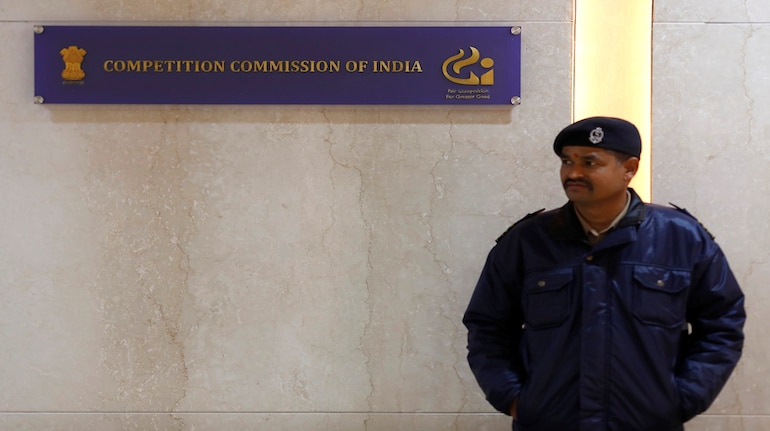

India's antitrust watchdog is investigating global fragrance makers Givaudan, Firmenich and International Flavors & Fragrances over accusations of striking anti-poaching deals that can harm workers, regulatory documents show.
The fragrance case is India's first touching on labour practices, lawyers say, though authorities have often investigated price-fixing. Regulators say deals with rivals not to hire away workers restrict job opportunities and wages.
The Competition Commission of India (CCI) launched the investigation in August after one company approached it under a "leniency programme" that offers confidentiality and sets lower penalties in return for providing proof of wrongdoing.
On the basis of at least 30 emails it reviewed, the watchdog found merit in accusations that the firms had an understanding, called a "gentlemen's agreement", not to hire or poach employees from rivals or customers, whether in India or globally.
Reuters is the first to report its August 13 order that said, "Such coordination is stated to have taken place since 2002 ... (and) may still be ongoing."
The alleged coordination took place via e-mails, phone calls and chats, added the watchdog, whose investigators will look into the matter and prepare a report, in a process that can run more than a year.
In a statement, U.S.-based International Flavors & Fragrances said it was "fully cooperating" with the CCI's requests for information and vowed to "engage constructively in the legal process".
DSM-Firmenich, formed from the 2023 merger of Dutch specialty chemicals maker DSM with Firmenich, declined to comment, while Swiss-based Givaudan and the CCI did not respond to Reuters queries.
In 2023, Swiss and British antitrust regulators said they were investigating the three companies, while the European Commission has said it is looking into "possible collusion" related to supply of fragrances and their ingredients, but has not named any targets.
In September, the British regulator said its investigation continued, while the EU last confirmed its case was proceeding in 2024. The companies have said they are cooperating with investigators.
Unlike other foreign bodies, the CCI does not make public any details of such investigations until they are concluded.
SCARE CANDIDATES BUT DON'T LOSE BUSINESS
The industry creates and makes fine fragrances for brands such as Hugo Boss and Gucci, as well as the aromas of household products for companies such as Procter & Gamble and Colgate-Palmolive.
In its order, the CCI said it was critical to examine labour-related coordination "to prevent labour exploitation and promote competitive remuneration".
The order listed excerpts of 30 emails that showed the companies had pacts not to approach, hire or poach employees of rivals or customers, "without prior approval" from the current employer.
The full names of companies, customers and executives were withheld due to concerns over sensitivity.
"May I ask you to be very vigilant when it comes to key global customers..." the unidentified chief human relations officer of one manufacturer advised in an internal email in 2017 regarding the hiring of the employees of such companies.
"We (would) rather scare candidates away than lose business ... you are accountable to secure that our customers are contacted, prior to offers being given."
Another 2018 email read, "It looks like our global HR team needs to be made aware of the gentlemen agreement..."
DETAILS SOUGHT OF RECRUITMENT EFFORTS
India's flavours and fragrances market is expected to nearly double in value by 2033, to stand at $5 billion, versus $2.5 billion in 2024, according to Grand View Research.
The Indian regulator can order financial penalties of up to three times a company's profit, or 10% of an Indian entity's global turnover, whichever is higher, for each year of wrongdoing.
Givaudan says it has two production units and also sources a range of raw materials, from herbs and spices to essential oils from there. In 2025, DSM-Firmenich called India a "key growth hub", while IFF said it aimed to build a "new scent creative centre" in Mumbai, the financial capital.
In September, the CCI wrote to IFF, an internal document showed, seeking details of recruitment processes, copies of job advertisements, email exchanges with rivals, and a list of employees hired from other fragrance companies and its customers between 2012 and 2025.
IFF sought to quash the investigation by telling the Delhi High Court the law prevented the watchdog from looking into accusations more than three years old, according to a February 23 order that has not previously been reported.
But the judge disagreed, saying the CCI believed the wrongdoing may persist and should be investigated.
Discover the latest Business News, Sensex, and Nifty updates. Obtain Personal Finance insights, tax queries, and expert opinions on Moneycontrol or download the Moneycontrol App to stay updated!
Find the best of Al News in one place, specially curated for you every weekend.
Stay on top of the latest tech trends and biggest startup news.