






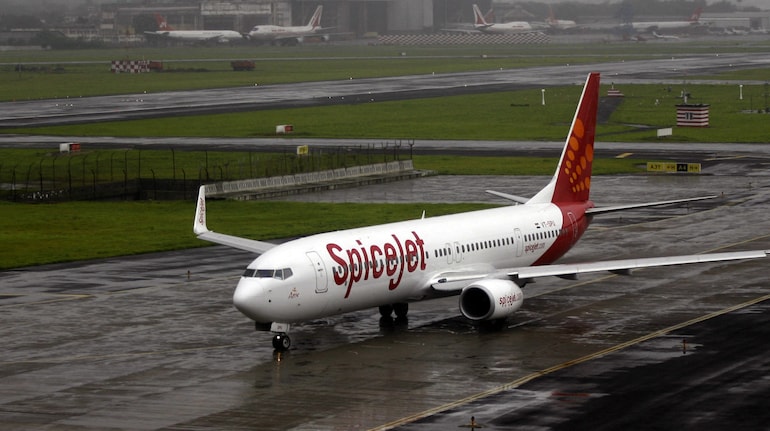
At a time when India’s aviation sector was reeling under widespread flight cancellations triggered by strict enforcement of new pilot duty norms, SpiceJet appears to have largely avoided the disruption — thanks to a fleet composition that keeps much of it outside the ambit of the regulations.
Half of SpiceJet’s operational fleet is “wet-leased” — aircraft operated by foreign lessors under non-Indian jurisdictions. As a result, those jets are subject to the crew-duty norms of their operators’ home countries, not the tighter domestic flight duty time limitations (FDTL) rules rolled out by the DGCA on November 1.
Industry sources say this arrangement shields SpiceJet from the major roster-disruptions faced by carriers relying wholly on India-based crew, giving the airline a relative advantage as rivals struggle to comply with the new duty-and-rest requirements.
On December 7, SpiceJet added 22 additional flights, including on Delhi-Mumbai, Delhi-Kolkata, Delhi-Bengaluru and Bengaluru-Mumbai routes, a day after the regulator stepped in to curb spiralling air ticket prices, imposing temporary fare caps on domestic flights. Fares are capped depending on the distance flown, ranging from Rs 7,500 for routes up to 500km to Rs 18,000 for routes above 1,500 km.
With IndiGo controlling 65 percent of the country’s domestic aviation market, the widespread disruption caused by its cancellation of 3,500 flights since the start of December, upset the schedules of other airlines, leaving travellers stranded across major airports.
By contrast, SpiceJet’s mix of wet-leased planes, and a smaller active fleet has helped cushion the blow — allowing it to maintain higher schedule reliability even as the rest of the industry faced turmoil. Of the 34 aircraft that SpiceJet has, 15 are wet leased and a further four were to join its fleet by November end.
The revised FDTL norms brought into effect a stricter regime aimed at reducing pilot fatigue and enhancing operational safety.
The rules, implemented in two stages this year, introduce sweeping changes to duty hours, night-time operations, and mandatory rest periods. Phase II took effect on November 1, activating seven clauses that were deferred when the first phase was rolled out in July.
The revised norms also increase the minimum weekly rest requirement form 36 hours to 48 hours, mandating longer recovery periods for flight crew. Airlines are required to redesign rosters accordingly and ensure compliance through internal fatigue-risk management systems.
Separately, carriers must now submit quarterly fatigue reports, documenting crew rest patterns and any fatigue-related safety concerns under a non-punitive reporting structure.
The DGCA said the strengthened norms bring India closer to international fatigue-management standards. The regulator has set up a four-member committee to examine why some carriers failed to accurately forecast crew availability, complete training, and recalibrate schedules despite being notified months in advance. The panel’s findings are expected to guide further compliance measures.

Discover the latest Business News, Sensex, and Nifty updates. Obtain Personal Finance insights, tax queries, and expert opinions on Moneycontrol or download the Moneycontrol App to stay updated!
Find the best of Al News in one place, specially curated for you every weekend.
Stay on top of the latest tech trends and biggest startup news.




