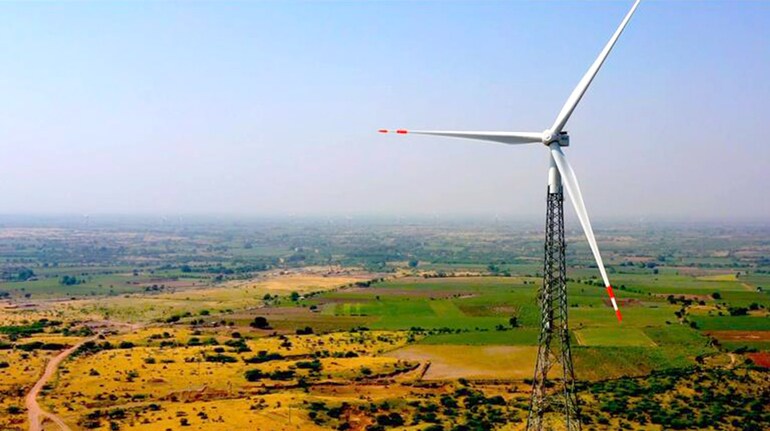
The upcoming Budget 2025 is expected to provide India’s industries and the common man with future financial visibility. It is also an opportunity to eliminate factors slowing our growth and subsequently boost our global standing.
India is also one of the more vulnerable countries to the impacts of climate change. Therefore, if India wants to leap towards a Viksit Bharat by 2047, we need to focus on playing to our strengths for the nation’s development while ensuring our growth isn’t compromised by our increased carbon emissions.
India’s next growth phase needs decentralised power
Much before COP28 called for the tripling of renewables, energy security had become a strategic priority for many countries. Countries like Costa Rica, Iceland, and Norway are meeting up to 100% of their electricity demand by shifting the focus inward, reducing their fossil fuel imports and decentralising energy sources.
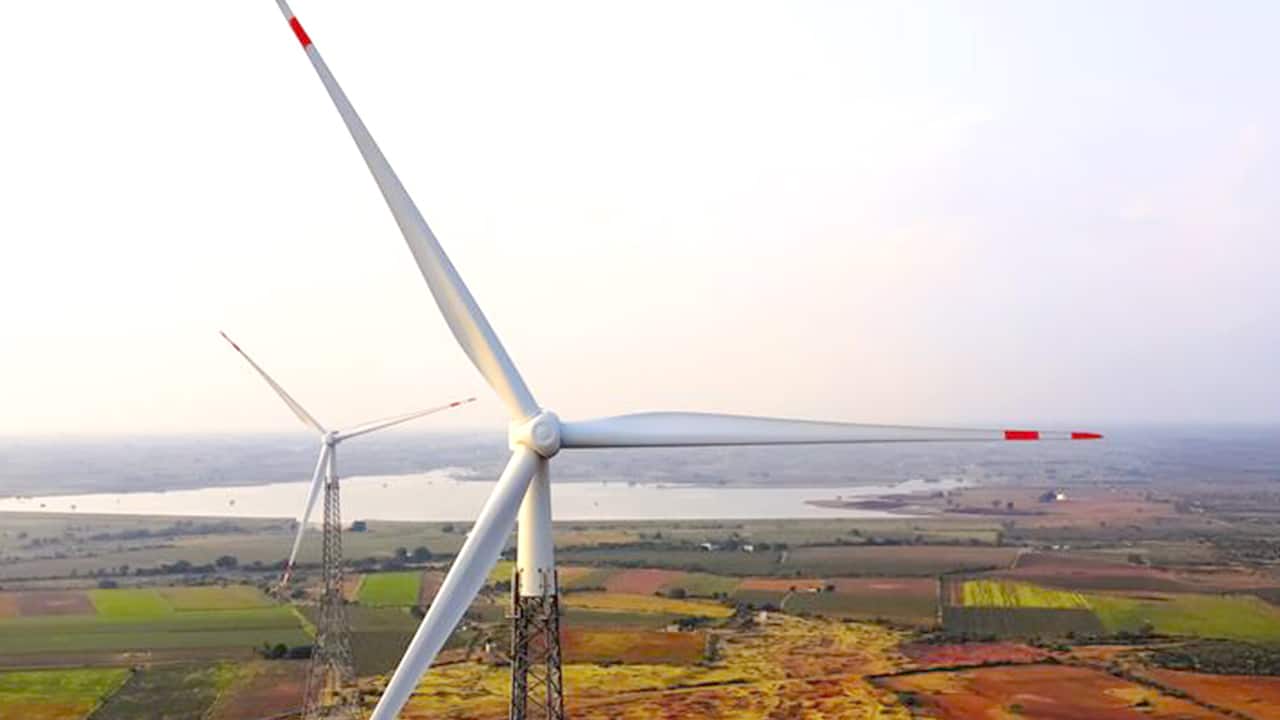
Being the world’s fastest-growing major economy, India has also set its vision to ensure the electricity required for national development neither increases our carbon footprint nor our import costs, resulting in a 500 GW non-fossil fuel energy target by 2030, of which 100 GW must come from wind energy. We have already achieved 205 GW of installations, including almost 50% of the target for wind energy that now stands at 48 GW.
 .
.
Suzlon and Aatmanirbhar Bharat
The 2030 deadline is drawing close, and achieving our ambitious goal is only possible if we support India’s local manufacturing ecosystems, especially those manufacturing clean energy, These are fast becoming backbone of our financial and infrastructural progress.
This is where Suzlon comes in. As India’s leading wind energy company, Suzlon has played a critical role in building an Aatmanirbhar Bharat by making complex engineering marvels like wind turbines in India since 1996.
At a time when the world had yet to wake up to the perils of climate change or the need for nations to be energy-secure and self-reliant, Tulsi Tanti set up Suzlon with a vision to address these issues under one roof. Tanti’s Suzlon became a trailblazer in wind energy not just in India but across 17 countries, putting India on the global wind energy map. In doing so, he put “Made in India” wind turbines on 6 continents.
Why is Make in India so important?
Today, India is in a unique place where we are set for exponential growth towards a $10 trillion economy, fuelled by a growing population and escalating domestic consumption. This growth ambition will depend heavily on the ability of our country to meet increasing demand with sustainable, reliable, secure and on-demand power, calling for self-reliance and ‘Make in India.’
When companies Make in India, they create local long-term jobs, boost micro-economies and energise remote and rural areas of the country, connecting them directly with the mainstream of the company.
This is exactly what Suzlon has been doing for nearly three decades. Much prior to any of it peers.
Since MSMEs are the pillars of manufacturing for any complex machinery, Suzlon’s Aatmanirbhar Bharat business model has empowered 3,500 Indian MSMEs This is a pristine example of how a single company can create economic benefits that reverberate through every section of society, empowering nation as a whole.
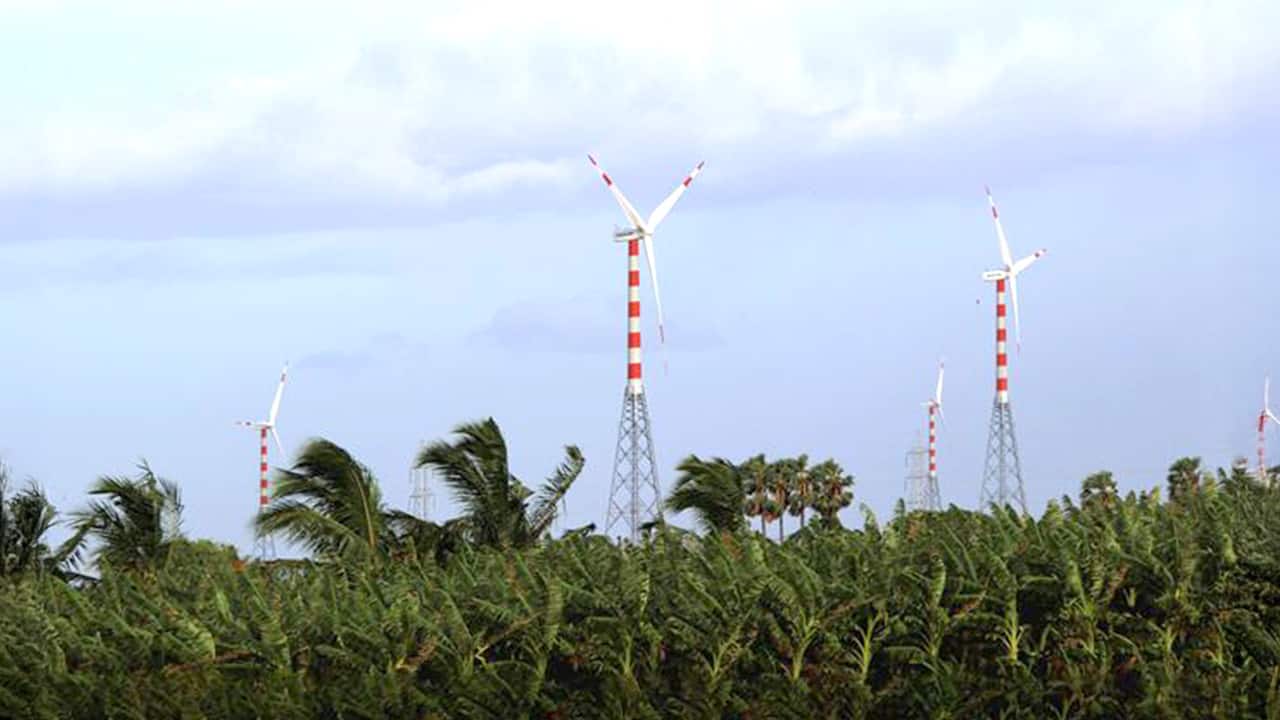
Further in our quest to become a Viksit Bharat, renewable energy will be crucial for capitalising on our nation’s existing resources, talent, demand, and supply capabilities. This is especially true for Suzlon’s world-class wind turbines, which have nearly 70% local content.
With India based manufacturing, Suzlon has added nearly 21 GW of wind energy installations worldwide that power over 13 million households globally, of which over 15 GW contribute to India’s energy demand.
 .
.
Energy and national security
Then there is the question of National Security. Electrical power generation, transmission and distribution need to have all components – both human and technical – made in India. This is where, homegrown Indian companies like Suzlon are even more important to ensure that we not only make but also monitor our energy assets like Wind Turbines within our borders. Access to any part of the equipment linked to our national grid from a foreign country jeopardises our national security, putting it at risk.
India as an export hub
For a growing nation like India, exports should help lay the foundation for our finances. As demonstrated by Suzlon, this is possible by utilising domestic manufacturing and resources. Suzlon’s wind energy exports to the international markets have roped in massive ₹36,000 crores for India while establishing the nation as a trusted wind energy manufacturer on the world map.
This not only increases our inflows but also reduces our outflows and preserves critical foreign exchange. Both will result in large cashflows, which can be used to fund the growth of other critical segments of our industry as is necessary if we are to reach our goal of becoming a $10 trillion economy by 2032.
Reducing the impacts of geopolitical tensions on the Indian economy
The pandemic, coupled with the Russia-Ukraine war, crippled the energy supply chains around the world. This high dependency on external variables to source power propelled the world to take self-sufficiency seriously by utilising domestic capabilities. Thus, the world raised $1.8 trillion in investments in 2023 for the global transition to clean energy, focused on country-level energy independence, and India alone saw a $68 billion investment in its clean energy ambitions.
Building local manufacturing ecosystems that can support a nation’s energy demand is critical to avoid outsourcing control to geographies that can potentially pose a risk to our national security. Suzlon identified this issue nearly three decades ago, building an end-to-end wind energy supply chain - from product manufacturing to servicing - that centred on domestic vendors and local talent. Up to 90% of the raw materials used in Suzlon products are sourced locally, while 80% of our workforce on remote sites consists of local and rural people, further reducing our dependence on foreign factors.
Utilising the untapped potential of wind energy
Back in 1996, Suzlon laid the groundwork for the wind energy sector in India. Today, India is the fourth-largest producer of wind energy and the only country besides China with sufficient nacelle assembly capacity for both onshore and offshore. We are also one of the only five countries that can produce all six major wind turbine components (nacelles, blades, towers, generators, gearboxes, and bearings).
Furthermore, we are the second-largest hub for onshore wind turbine assembly and key component production in the Asia Pacific. These advantages perfectly position us to become a global supplier if we focus on building a standardised and industrialised supply chain. As the largest Indian wind energy OEM, Suzlon has been ramping up its manufacturing capacity with the belief that India alone can address 15-20% of global wind energy demand.
Budget 2025 is an opportunity for India to create a concrete roadmap to becoming Viksit Bharat, setting examples for the world to follow. The path to that, however, is through self-reliance and ‘Make in India’ rather than ambitious quick fixes and hurried imports, as demonstrated by Suzlon shining through as an example of Making in India since 1996.
Moneycontrol Journalists were not involved in the creation of the article.
Discover the latest Business News, Sensex, and Nifty updates. Obtain Personal Finance insights, tax queries, and expert opinions on Moneycontrol or download the Moneycontrol App to stay updated!
Find the best of Al News in one place, specially curated for you every weekend.
Stay on top of the latest tech trends and biggest startup news.