More than ever, we know that diabetes is not a “one size fits all” and managing it for life may be misconceived given the medical developments and our understanding of metabolic health. Now, there is “reversing diabetes,” a phrase that frequently stirs hope in the recently diagnosed. Though the concept implies that the disease will be eradicated entirely, doctors and other health experts prefer to use a more nuanced term- “diabetes remission.” This is significant because diabetes, particularly Type 2, does not go away; it can be controlled to a point that blood sugar levels return to a normal range without medication.
Reaching the goal of remission usually necessitates substantial lifestyle changes that must be maintained over time, including weight control, dietary considerations, physical activity and monitoring to ensure compliance. Such changes improve the body’s ability to make use of insulin and limit its reliance on medication. But remission is not the same as being cured; blood sugar levels can once more go up if health habits slip.
For those willing to make a long-term lifestyle commitment, remission provides an appealing goal. Dr Manisha Arora, Director - Internal Medicine at the CK Birla Hospital®, Delhi shares with Moneycontrol the basic steps.
Also Read: Diabetes is not caused only by eating sugar, endocrinologist reveals how stress, irregular sleep, poor lifestyle raise the risk1. Eat a healthy and balanced diet:The most important role of nutrition is in controlling diabetes.
Avoid sugary, processed, high-calorie foods that raise blood sugar abruptly.
Emphasize plenty of whole grains, lean proteins, green leafy vegetables, and raw salads in the diet.
Include low GI fibre-rich foods, such as oats and legumes, along with fruits to regulate digestion and balance glucose levels.
Reduce refined carbohydrates, sugary drinks, and fried foods.
A structured meal plan can help reduce insulin resistance and allow for gradual weight loss, both key components necessary to attain remission.
2. Be physically active:Regular exercises improve the sensitivity of insulin and fat metabolism. It is often suggested by experts that
At least 150 minutes of moderate-intensity exercise such as brisk walking, cycling, or swimming every week.
Two to three sessions of muscle-strengthening activities, such as weight training, yoga, or resistance exercises. It allows your muscles to take in more glucose; hence, it reduces blood sugar levels.
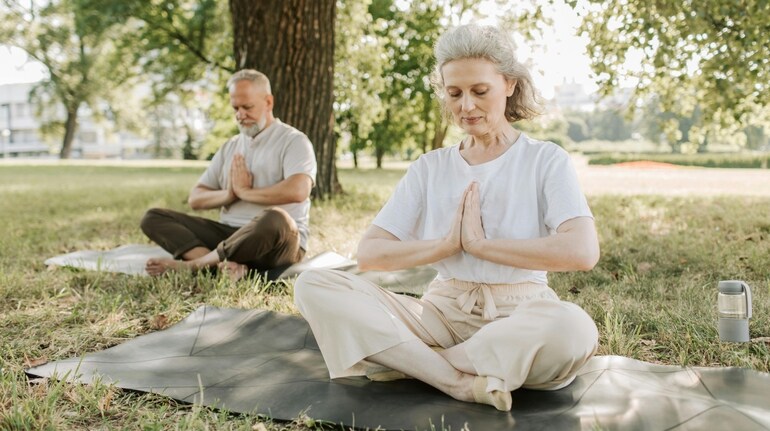
3. Effective stress management:Chronic stress triggers the release of hormones like cortisol and adrenaline, which eventually raise blood glucose levels. Encourage the integration of various forms of stress management, such as deep breathing, meditation, yoga, or mindfulness practices. A positive outlook can help a lot in maintaining emotional stability and blood sugar regulation.
4. Prioritize quality sleep:Poor sleep, or lack thereof, disrupts the body's hormonal balance and plays a significant role in glucose metabolism. Aim for 6-8 hours of quality nightly sleep. Good sleep, besides enhancing insulin activity, promotes better appetite and energy balance.
Also Read: World Diabetes Day: How 6 small daily habits can help manage diabetes without extreme diets or stressWhile diabetes cannot be permanently "cured," it most definitely can be put into remission through committed lifestyle intervention.
FAQs on How to Reverse Diabetes Naturally:1. What is diabetes remission?Diabetes remission means that blood sugar levels return to a normal range without the need for medication, though the condition is not completely cured.
2. Can lifestyle changes help in reversing diabetes?Yes, significant lifestyle changes such as weight control, a healthy diet, regular physical activity, and effective stress management can help achieve diabetes remission.
3. What kind of diet is recommended for diabetes remission?A diet focusing on whole grains, lean proteins, green leafy vegetables, raw salads, low GI fiber-rich foods like oats and legumes, and fruits is recommended. Avoiding sugary, processed, and high-calorie foods is essential.
4. How much exercise is needed to help reverse diabetes?Experts suggest at least 150 minutes of moderate-intensity exercise weekly and two to three sessions of muscle-strengthening activities.
5. Why is stress management important for diabetes remission?Stress management is crucial as chronic stress releases hormones that raise blood glucose levels. Practices like deep breathing, meditation, yoga, and mindfulness can help.
Disclaimer: This article, including health and fitness advice, only provides generic information. Don’t treat it as a substitute for qualified medical opinion. Always consult a specialist for specific health diagnosis.Discover the latest Business News, Sensex, and Nifty updates. Obtain Personal Finance insights, tax queries, and expert opinions on Moneycontrol or download the Moneycontrol App to stay updated!
Find the best of Al News in one place, specially curated for you every weekend.
Stay on top of the latest tech trends and biggest startup news.