- My Alerts
- Go Ad-Free
-
My Account











Why your back hurts: Common causes, risk factors and how to prevent it
Backache is a common musculoskeletal complaint caused by muscle strain, poor posture, degenerative changes, infections, or inflammation. Age, menopause, and a sedentary lifestyle increase risk. Prevention includes maintaining correct posture, regular exercise, and weight control. A balanced diet rich in calcium, vitamin D, protein, and magnesium supports bone and spine health




1/10
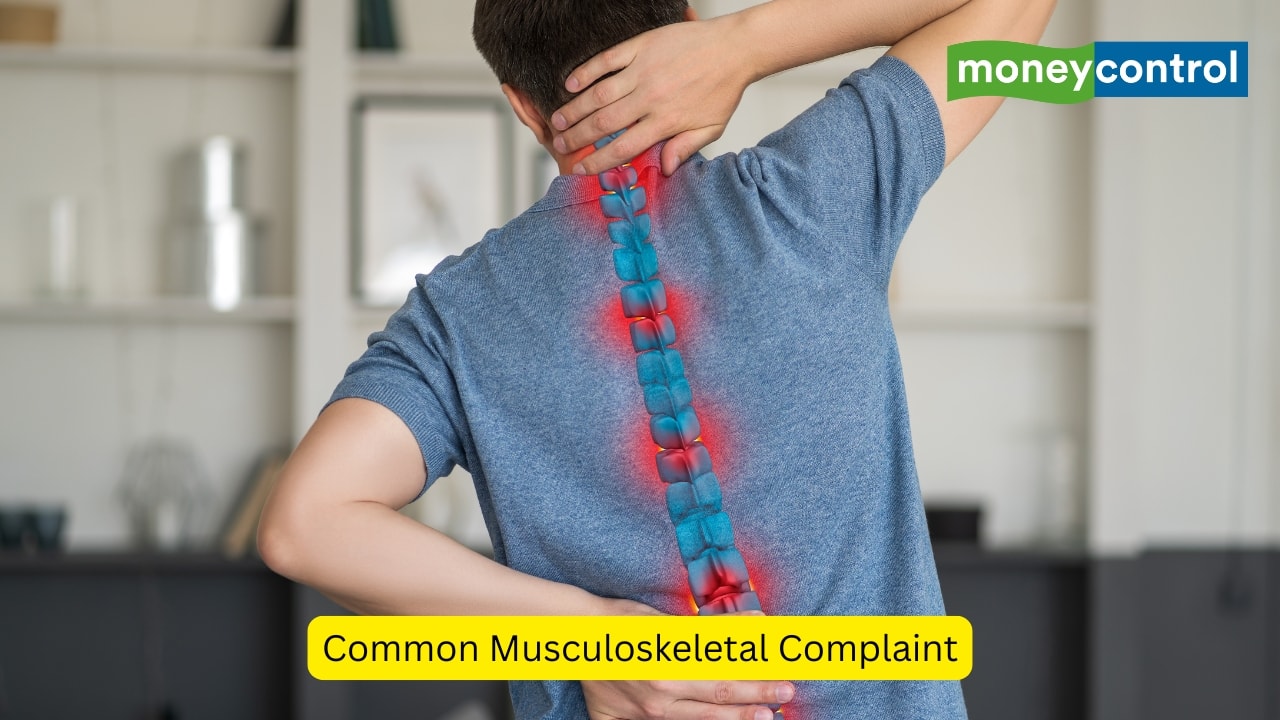
Common Musculoskeletal Complaint
One of the most common complaints related to the musculoskeletal system is backache. It can potentially affect people of all genders and age groups, and occurs because of various mechanical and degenerative causes, along with inflammatory ones. (Image: Canva)
One of the most common complaints related to the musculoskeletal system is backache. It can potentially affect people of all genders and age groups, and occurs because of various mechanical and degenerative causes, along with inflammatory ones. (Image: Canva)
2/10
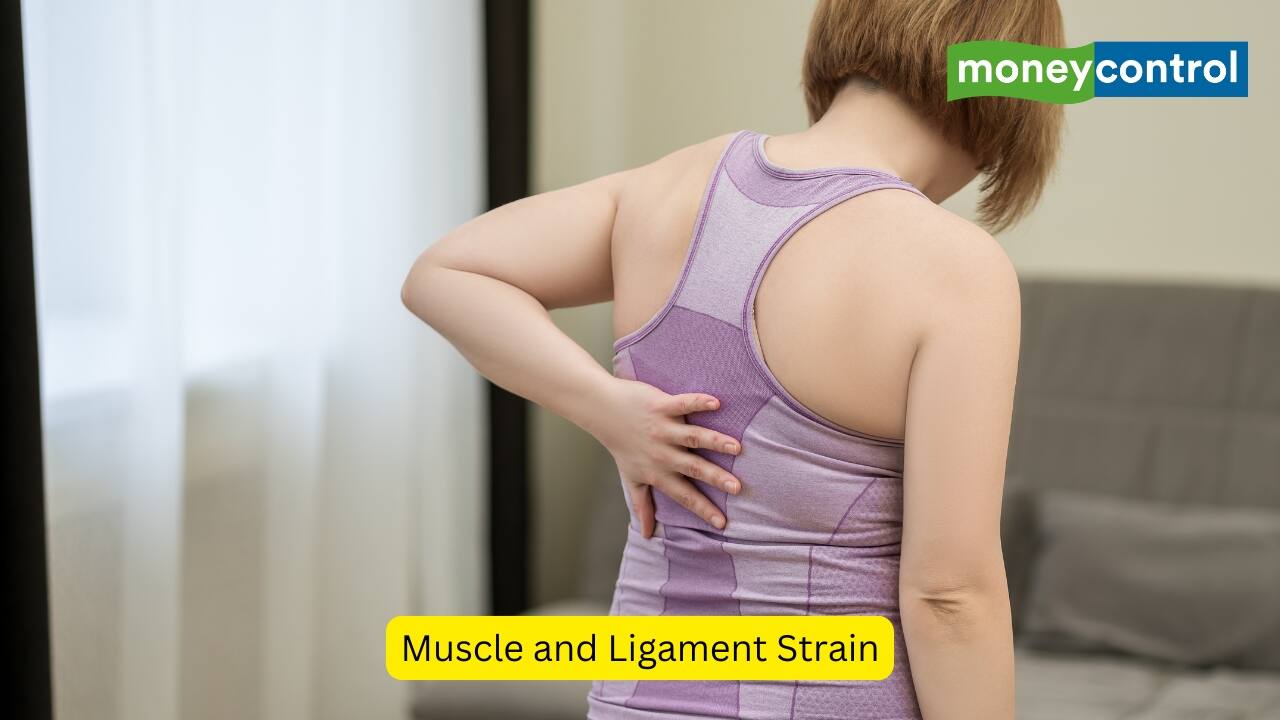
Muscle and Ligament Strain
Sudden or long-term strain of the muscles that are around the spine, or straining of the supporting ligaments, can often lead to back pain. Excessive exertion and improper lifting of heavy equipment, at the workplace or the gym, can cause pain, along with poor posture. (Image: Canva)
Sudden or long-term strain of the muscles that are around the spine, or straining of the supporting ligaments, can often lead to back pain. Excessive exertion and improper lifting of heavy equipment, at the workplace or the gym, can cause pain, along with poor posture. (Image: Canva)
3/10

Age-Related Degenerative Changes
As one’s age progresses, age-related degeneration of the vertebral joints and that of the intervertebral discs can lead to the formation of osteophytes. Osteophytes are bony outgrowths on the edges of joints, and they can irritate the nerve roots, thus producing pain and stiffness. (Image: Canva)
As one’s age progresses, age-related degeneration of the vertebral joints and that of the intervertebral discs can lead to the formation of osteophytes. Osteophytes are bony outgrowths on the edges of joints, and they can irritate the nerve roots, thus producing pain and stiffness. (Image: Canva)
4/10
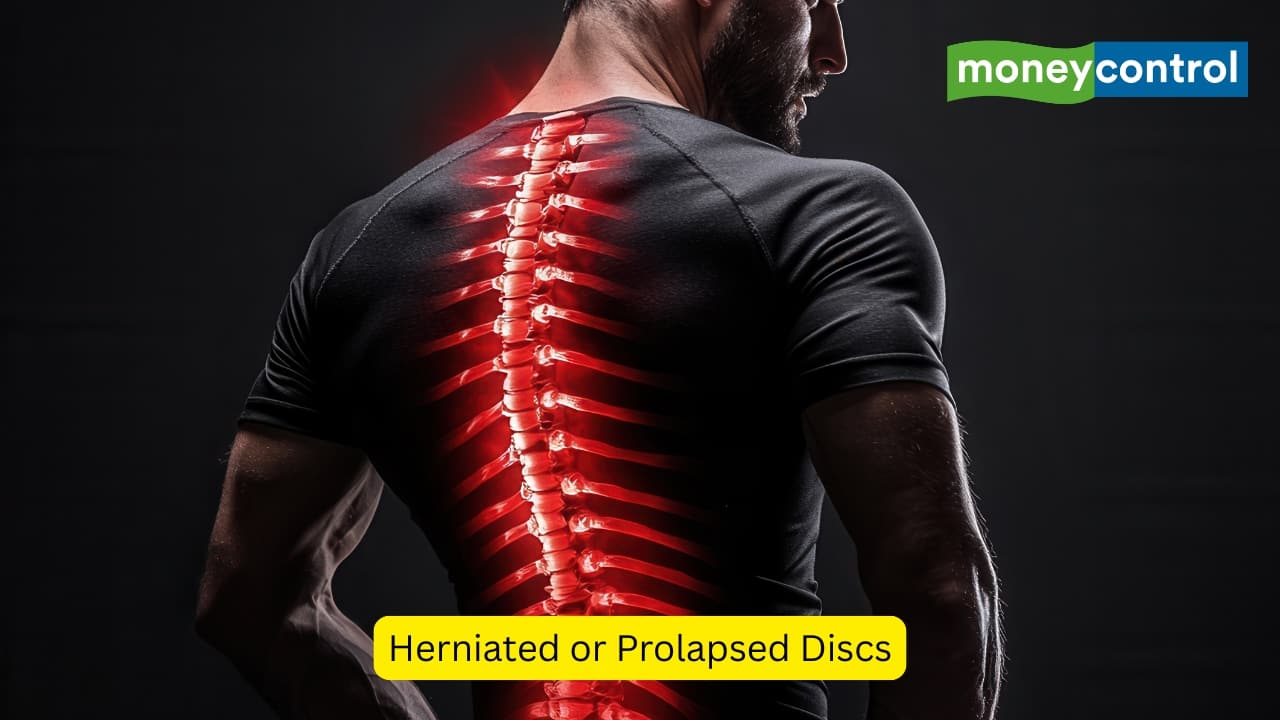
Herniated or Prolapsed Discs
On some occasions, the intervertebral discs (present between two vertebrae) may begin to protrude. This is known as a prolapsed intervertebral disc or a herniated disc, and can cause radiating pain in the lower limbs, along with numbness and weakness. (Image: Canva)
On some occasions, the intervertebral discs (present between two vertebrae) may begin to protrude. This is known as a prolapsed intervertebral disc or a herniated disc, and can cause radiating pain in the lower limbs, along with numbness and weakness. (Image: Canva)
5/10
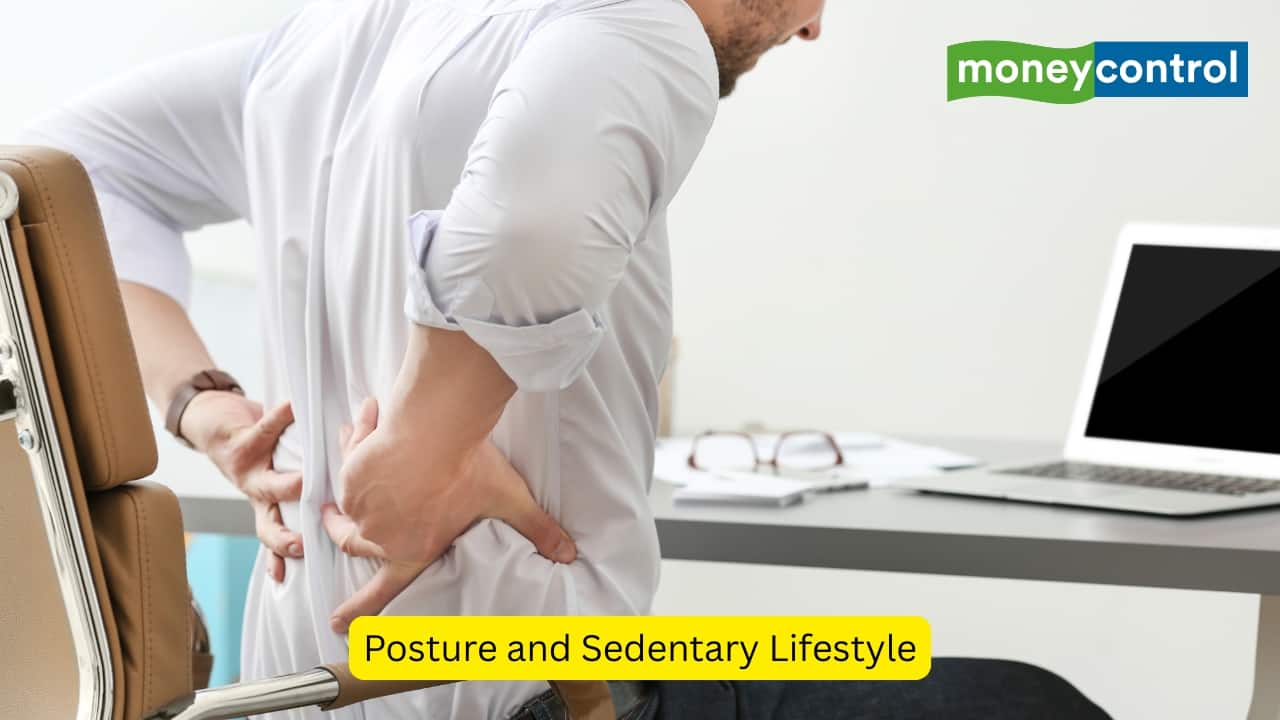
Posture and Sedentary Lifestyle
It is easy to forget to keep one’s back straight, and extended periods of using multiple types of screens often lead to a bad posture. Sitting and slouching may cause prolonged strain on the lumbar spine. A lack of physical activity, combined with poor posture, leads to a backache. (Image: Canva)
It is easy to forget to keep one’s back straight, and extended periods of using multiple types of screens often lead to a bad posture. Sitting and slouching may cause prolonged strain on the lumbar spine. A lack of physical activity, combined with poor posture, leads to a backache. (Image: Canva)
6/10
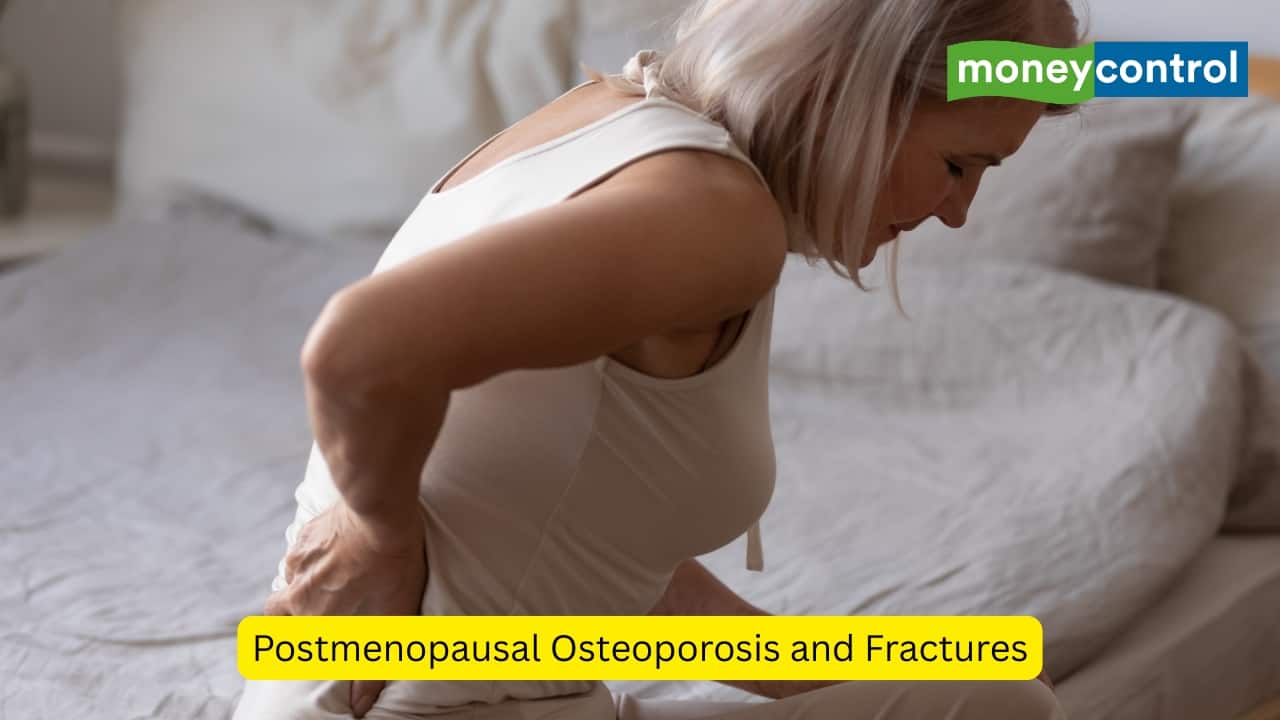
Postmenopausal Osteoporosis and Fractures
In women who have reached the age of menopause or have undergone menopause, the estrogen levels decline, which ultimately reduces the bone density (osteoporosis). This makes their bones more susceptible to fragility fractures and compression fractures, thus leading to backache. (Image: Canva)
In women who have reached the age of menopause or have undergone menopause, the estrogen levels decline, which ultimately reduces the bone density (osteoporosis). This makes their bones more susceptible to fragility fractures and compression fractures, thus leading to backache. (Image: Canva)
7/10
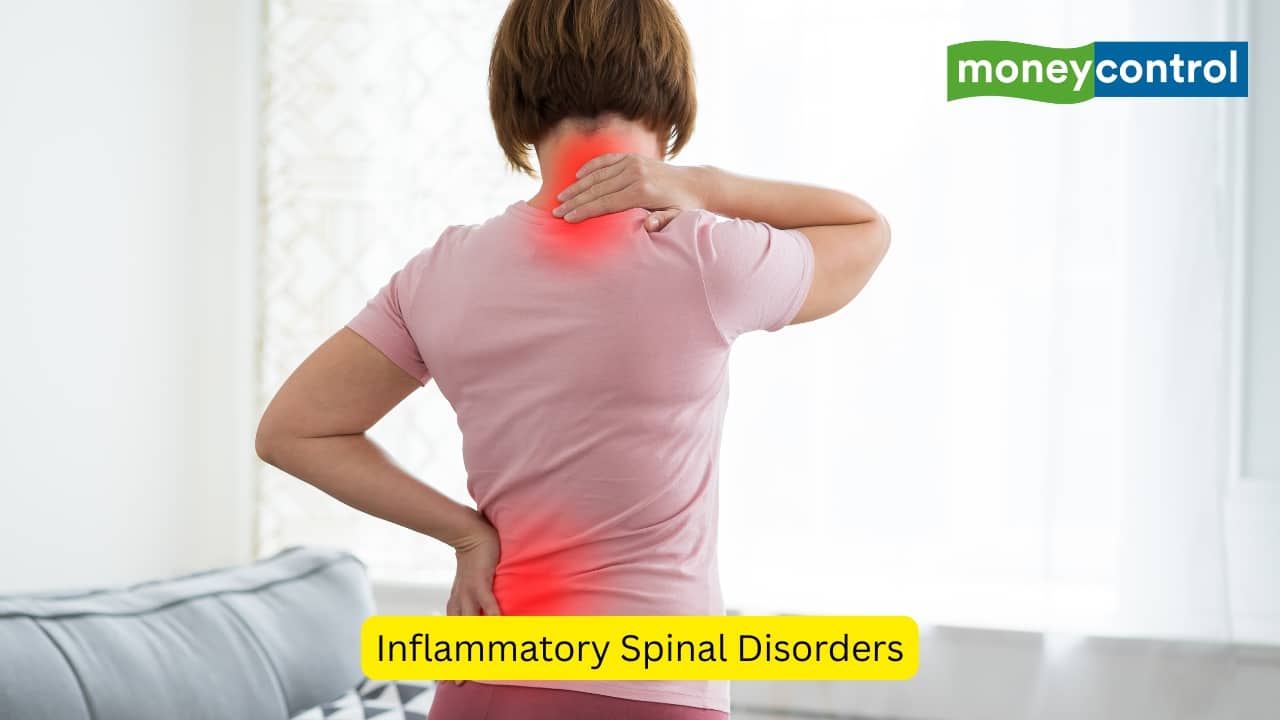
Inflammatory Spinal Disorders
Inflammatory spondyloarthropathies are a group of diseases that lead to inflammation of the parts where the ligaments or joint capsules connect to the bone. The pain produced in such conditions worsens at rest, but the person feels relieved on physical exercise. (Image: Canva)
Inflammatory spondyloarthropathies are a group of diseases that lead to inflammation of the parts where the ligaments or joint capsules connect to the bone. The pain produced in such conditions worsens at rest, but the person feels relieved on physical exercise. (Image: Canva)
8/10

Infective Causes of Back Pain
Any infection of the spine can also lead to backache, along with other symptoms like fever and generalised weakness. The pain is often localised and severe, and the infection can potentially cause slow destruction of the vertebral column, which leads to deformity. (Image: Canva)
Any infection of the spine can also lead to backache, along with other symptoms like fever and generalised weakness. The pain is often localised and severe, and the infection can potentially cause slow destruction of the vertebral column, which leads to deformity. (Image: Canva)
9/10

Preventive Lifestyle Measures
Prevention includes maintaining the right posture and correcting the spinal alignment while sitting in front of the screens, and even while standing. This reduces the strain on the muscles. Regular exercise of the abdominal and paraspinal muscles can also help. (Image: Canva)
Prevention includes maintaining the right posture and correcting the spinal alignment while sitting in front of the screens, and even while standing. This reduces the strain on the muscles. Regular exercise of the abdominal and paraspinal muscles can also help. (Image: Canva)
10/10

Nutrition and Bone Health
It is necessary to try to control one’s weight, as excess body weight may increase the load on the spine. A balanced diet rich in calcium and vitamin D, along with magnesium and protein, is necessary. One must avoid alcohol and smoking and consume calcium-rich foods to help avoid backache. (Image: Canva)
It is necessary to try to control one’s weight, as excess body weight may increase the load on the spine. A balanced diet rich in calcium and vitamin D, along with magnesium and protein, is necessary. One must avoid alcohol and smoking and consume calcium-rich foods to help avoid backache. (Image: Canva)
Discover the latest Business News, Budget 2025 News, Sensex, and Nifty updates. Obtain Personal Finance insights, tax queries, and expert opinions on Moneycontrol or download the Moneycontrol App to stay updated!



