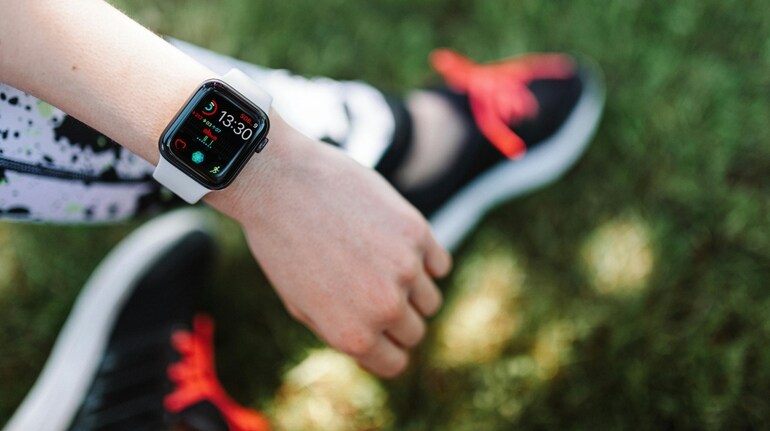
Health enthusiasts are no strangers to fitness apps that help them count calories, track steps, monitor heart rate, and more. While their main aim is to encourage people to stay fit by setting targets for workout time, sleep duration, and healthy eating, researchers warn that many of these apps aren’t equipped with “evidence- or theory-based” approaches to support these healthy changes and can end up setting goals that are “difficult to achieve.”
Researchers at University College London (UCL) found that fitness apps can make people feel demotivated to exercise. Paulina Bondaronek of UCL said: “Fitness apps remain some of the most profitable and widely downloaded health tools globally. While they can benefit health, there’s been far less attention to their potential downsides. When health is reduced to calorie counts and step goals, it can leave people feeling demotivated, ashamed, and disconnected from what truly drives lasting wellbeing.”
Published in the British Journal of Health Psychology, the researchers analysed 58,881 X posts using artificial intelligence, investigating the negative impact of the five most profitable commercial fitness apps as of March 2022, such as MyFitnessPal: Calorie Counter, Strava, Weight Watchers, Workouts by Muscle Booster, and Fitness Coach & Diet: FitCoach.
Also read | Fitness expert shares post-festival recovery tips with smart workouts and hydration hacks
Some of the negative repercussions included stress from quantifying diet and physical activity and the setting of goals that were at times unachievable and overly simplified by algorithms. Five main themes emerged, showing that calorie tracking, strict goals, and app glitches often led to frustration, guilt, and loss of motivation. Some users felt overwhelmed by these apps and reported feelings of shame and disappointment, leading them to quit the apps or give up healthy behaviours.
It was also noted that algorithms do not fully recognise individual differences or understand real-life complexities. There were problems such as syncing issues across devices, inaccurate calorie counts, or inconsistent data that led to stress and anxiety.
Also read | Easy fitness tips: Prevent weight gain, stay active if you don't have time for daily exercises
Several users, however, also noted that health was a personal responsibility and that the apps couldn’t be held responsible for eating disorders. Rather, they can be used in a healthy way.
The researchers concluded: “The current study highlights the need for better evaluation of commercial fitness apps, as well as more user-centred and psychologically informed app design that prioritises well-being and intrinsic motivation over rigid, quantitative goals—and, indeed, profit.”
FAQs on How to Use Fitness Apps
1. What features can I expect from fitness apps?
Fitness apps typically offer features such as calorie counting, step tracking, heart rate monitoring, setting workout targets, and sleep duration goals to encourage a healthy lifestyle.
2. Can fitness apps negatively impact motivation?
Yes, researchers at University College London found that these apps might demotivate users by focusing too much on calorie counts and step goals, leading to feelings of shame and disconnection from lasting well-being.
3. Are the goals set by fitness apps achievable for everyone?
Many fitness apps set goals that can be unachievable and overly simplified by algorithms, causing stress and frustration among users.
4. Do fitness apps account for individual differences and real-life complexities?
Fitness apps often fail to recognise individual differences and real-life complexities, which can result in syncing issues, inaccurate data, and increased anxiety.
5. Are fitness apps solely responsible for negative health behaviours?
No, health is a personal responsibility. While fitness apps can contribute to stress, they are not solely responsible for eating disorders or other negative health behaviours. They can be used in a healthy way.
Disclaimer: This article, including health and fitness advice, only provides generic information. Don’t treat it as a substitute for qualified medical opinion. Always consult a specialist for specific health diagnosis.
Discover the latest Business News, Sensex, and Nifty updates. Obtain Personal Finance insights, tax queries, and expert opinions on Moneycontrol or download the Moneycontrol App to stay updated!
Find the best of Al News in one place, specially curated for you every weekend.
Stay on top of the latest tech trends and biggest startup news.