-
My Account






Reduce demential and Alzheimer's risk with these foods in your daily diet
Alzheimer’s and dementia are progressive neurological conditions characterised by cognitive decline and memory loss. Incorporating these nutrient-dense foods into a balanced diet, combined with regular physical activity and mental stimulation, can contribute in maintaining cognitive health and potentially reducing the risk.




1/9

Alzheimer’s disease and dementia are progressive neurological conditions characterised by cognitive decline, memory loss, and impaired daily functioning. Alzheimer's, the most common form of dementia, involves the accumulation of amyloid plaques and tau tangles in the brain, leading to neuronal damage. Dementia encompasses a range of disorders with similar symptoms, including vascular dementia and Lewy body dementia. Early symptoms include forgetfulness and confusion, while advanced stages can lead to severe cognitive impairment and loss of independence. (Image: Canva)
2/9

A diet rich in certain nutrients can play a significant role in reducing the risk of Alzheimer’s and dementia. Here are seven highly nutritious foods and diets known to support brain health, according to Dr Arvind Sharma, a neurologist at Krishma Hospital, Secunderabad. (Image: Canva)
3/9

Leafy green vegetables: Leafy greens like spinach, kale, and collard greens are rich in antioxidants, vitamins, and minerals crucial for brain health. Vitamin K, found abundantly in these vegetables, supports cognitive function by maintaining brain cell structure. Antioxidants such as lutein, beta-carotene, and folate combat oxidative stress and inflammation associated with cognitive decline and Alzheimer’s disease. (Image: Canva)
4/9

Berries: Berries, including blueberries, strawberries, and blackberries, are packed with antioxidants like flavonoids, anthocyanins, and polyphenols. These compounds reduce oxidative stress and inflammation in the brain. Studies suggest that regular consumption of berries can improve memory and cognitive function, as their phytochemicals protect brain cells from damage and enhance communication between neurons. (Image: Canva)
5/9

Fatty fish: Fatty fish such as salmon, mackerel, and sardines are excellent sources of omega-3 fatty acids, particularly DHA (docosahexaenoic acid) and EPA (eicosapentaenoic acid). DHA is a major structural fat in the brain, essential for maintaining neuronal function and brain plasticity. Omega-3 fatty acids' anti-inflammatory properties may reduce the risk of neurodegenerative diseases. Regular consumption of fatty fish has been linked to slower cognitive decline and a reduced risk of Alzheimer’s. (Image: Canva)
6/9
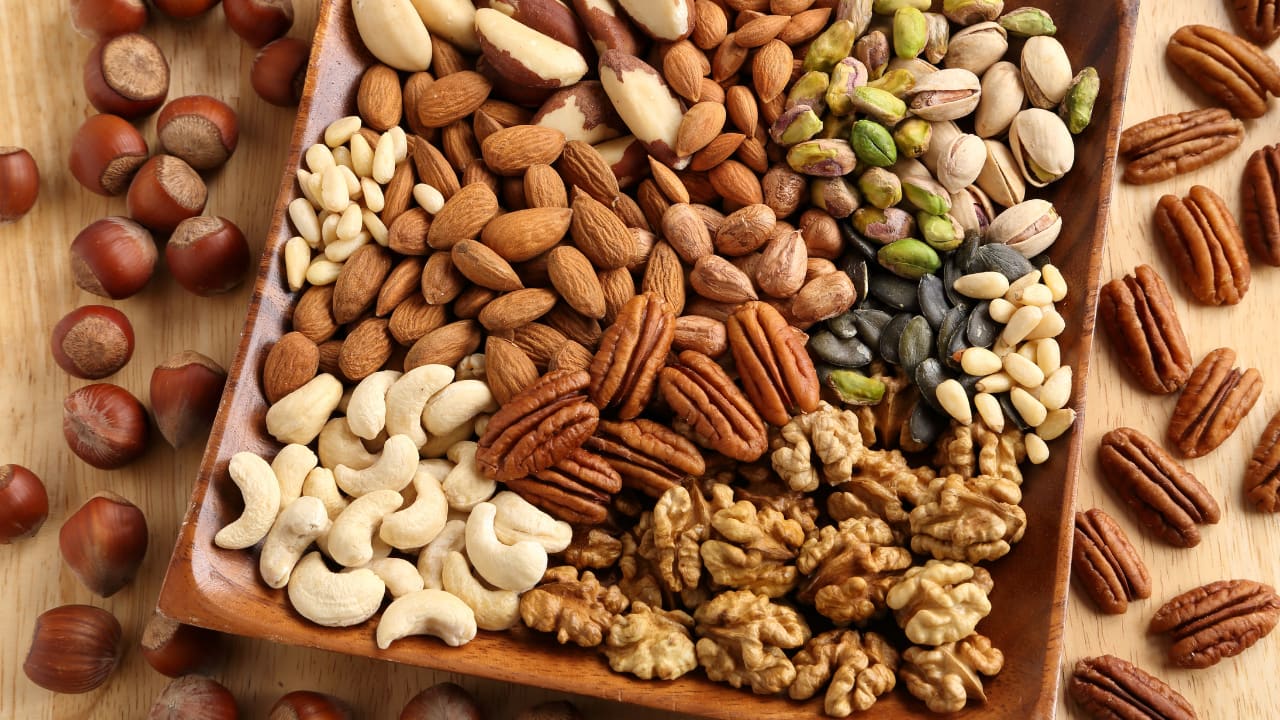
Nuts and seeds: Nuts and seeds, such as walnuts, almonds, and flaxseeds, are rich in healthy fats, particularly omega-3 fatty acids, and antioxidants. Walnuts are high in polyphenolic compounds and alpha-linolenic acid (ALA), a plant-based omega-3 fatty acid. Almonds and flaxseeds provide vitamin E, known for its antioxidant properties. These nutrients protect brain cells from oxidative damage and support overall cognitive health. (Image: Canva)
7/9
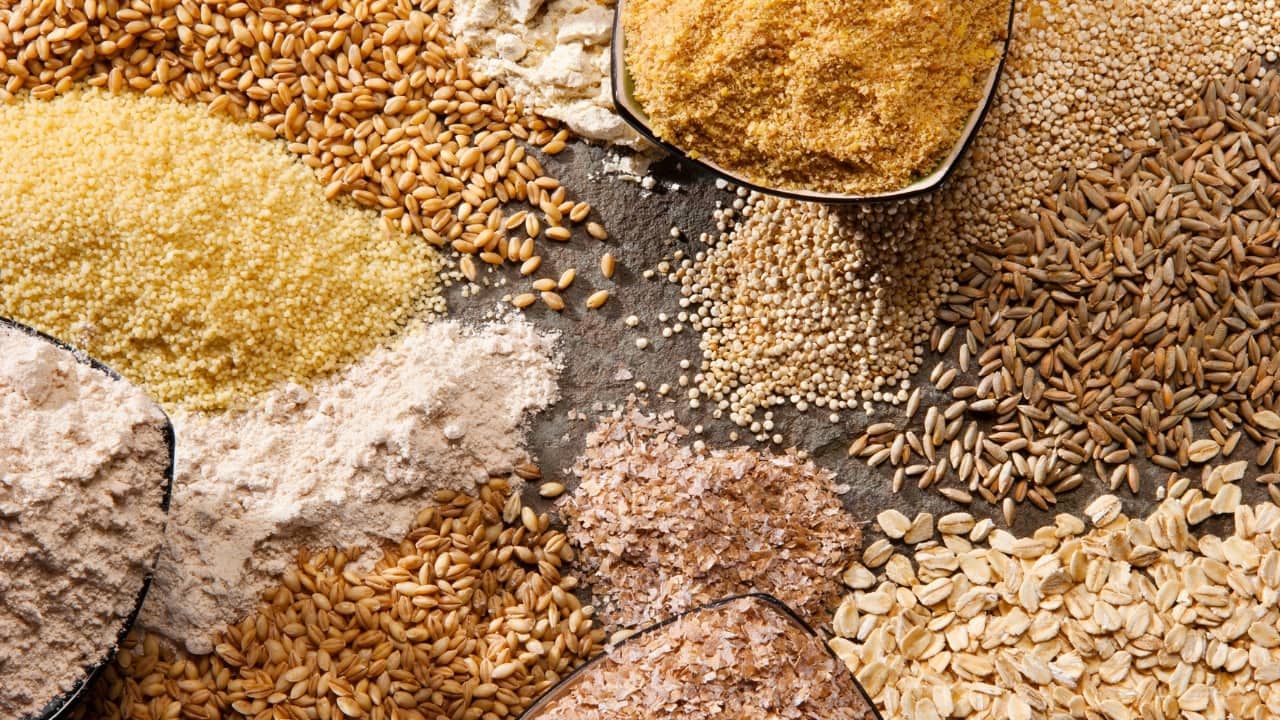
Whole grains: Whole grains like oatmeal, brown rice, and quinoa are excellent sources of fibre and B vitamins, including B6, B12, and folate. These nutrients are essential for maintaining cognitive function and reducing the risk of neurodegenerative diseases. Fibre supports a healthy gut microbiome, which is increasingly recognised as important for brain health. B vitamins play a role in reducing homocysteine levels, which is associated with an increased risk of cognitive decline. (Image: Canva)
8/9

Turmeric: Turmeric contains curcumin, a compound with potent anti-inflammatory and antioxidant properties. Curcumin can cross the blood-brain barrier and may help reduce inflammation and oxidative stress in the brain. Studies suggest that curcumin can improve memory and cognitive function, and its neuroprotective properties may contribute to a reduced risk of Alzheimer’s disease. (Image: Canva)
9/9

Legumes: Legumes such as beans, lentils, and chickpeas are high in protein, fibre, and various vitamins and minerals, including folate and magnesium. The fibre in legumes helps regulate blood sugar levels and supports a healthy gut, which is beneficial for overall brain health. The nutrients in legumes contribute to better cognitive function and may help protect against cognitive decline. (Image: Canva)
Discover the latest Business News, Budget 2025 News, Sensex, and Nifty updates. Obtain Personal Finance insights, tax queries, and expert opinions on Moneycontrol or download the Moneycontrol App to stay updated!



