-
My Account









Manage PCOS: Include healthy fats, lean protein, omega-3 fatty acids in daily diet, avoid fried food
Diet tips: Polycystic Ovary Syndrome (PCOS) management involves a balanced diet rich in lean proteins, and healthy fats. Avoid processed items, and excessive caffeine. By adhering to this guide, women with PCOS can better manage their symptoms and improve overall health.




1/17

Polycystic Ovary Syndrome (PCOS) is a common hormonal disorder affecting women. It is characterised by an imbalance in hormones, including elevated androgens (male hormones) and insulin resistance. Key features include irregular or absent menstrual cycles, ovarian cysts, and symptoms such as acne, excess hair growth, and hair thinning. PCOS can also lead to weight gain and increase the risk of developing type 2 diabetes. Diagnosis often involves a combination of clinical symptoms, medical history, and ultrasound imaging. Management typically includes lifestyle changes like diet and exercise, medications to regulate hormones and insulin, and treatments for specific symptoms such as acne or hair growth. PCOS can affect fertility, but with appropriate treatment and the right diet, many people can manage their symptoms and achieve their reproductive goals. Here are the dos and don'ts to follow on a PCOS diet: (Image: Canva)
2/17
Do's:
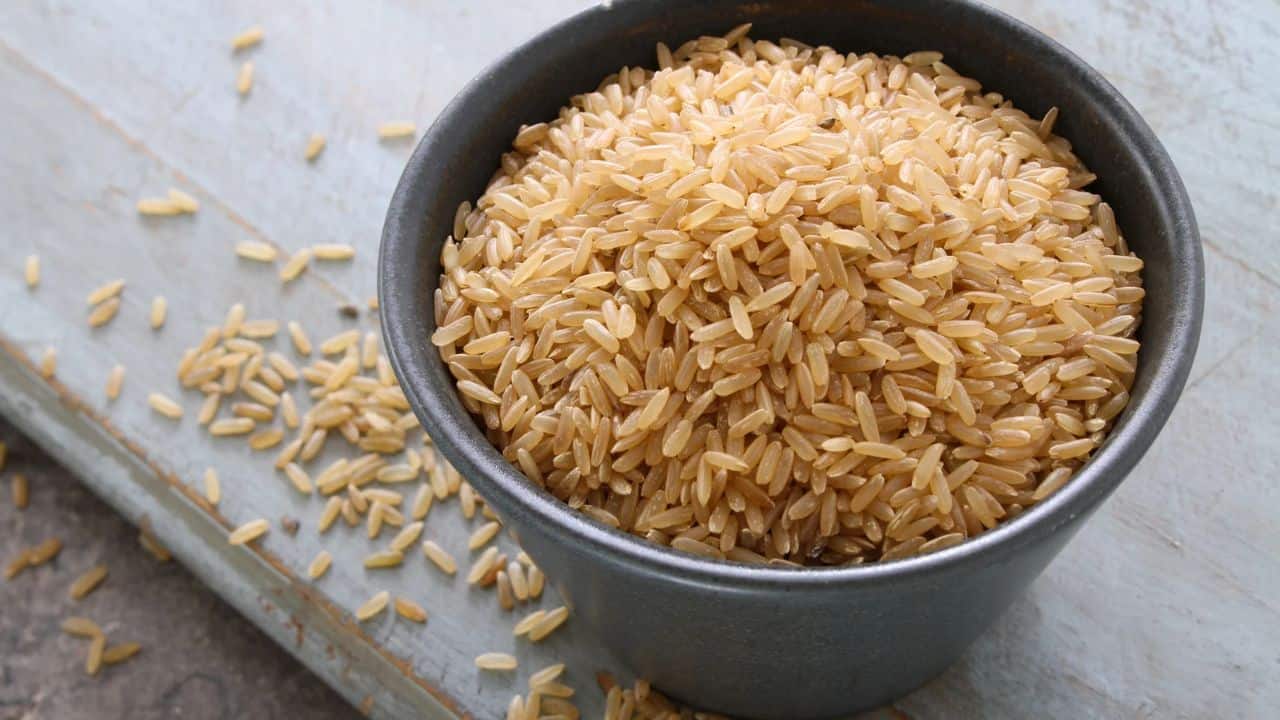
Focus on low-glycaemic-index foods: Low-glycaemic index (GI) foods help slow down glucose absorption and reduce insulin spikes. High insulin levels can exacerbate PCOS symptoms. Include whole grains like quinoa, barley, and brown rice; legumes such as lentils and chickpeas; and non-starchy vegetables like spinach, kale, and bell peppers. (Image: Canva)
Focus on low-glycaemic-index foods: Low-glycaemic index (GI) foods help slow down glucose absorption and reduce insulin spikes. High insulin levels can exacerbate PCOS symptoms. Include whole grains like quinoa, barley, and brown rice; legumes such as lentils and chickpeas; and non-starchy vegetables like spinach, kale, and bell peppers. (Image: Canva)
3/17
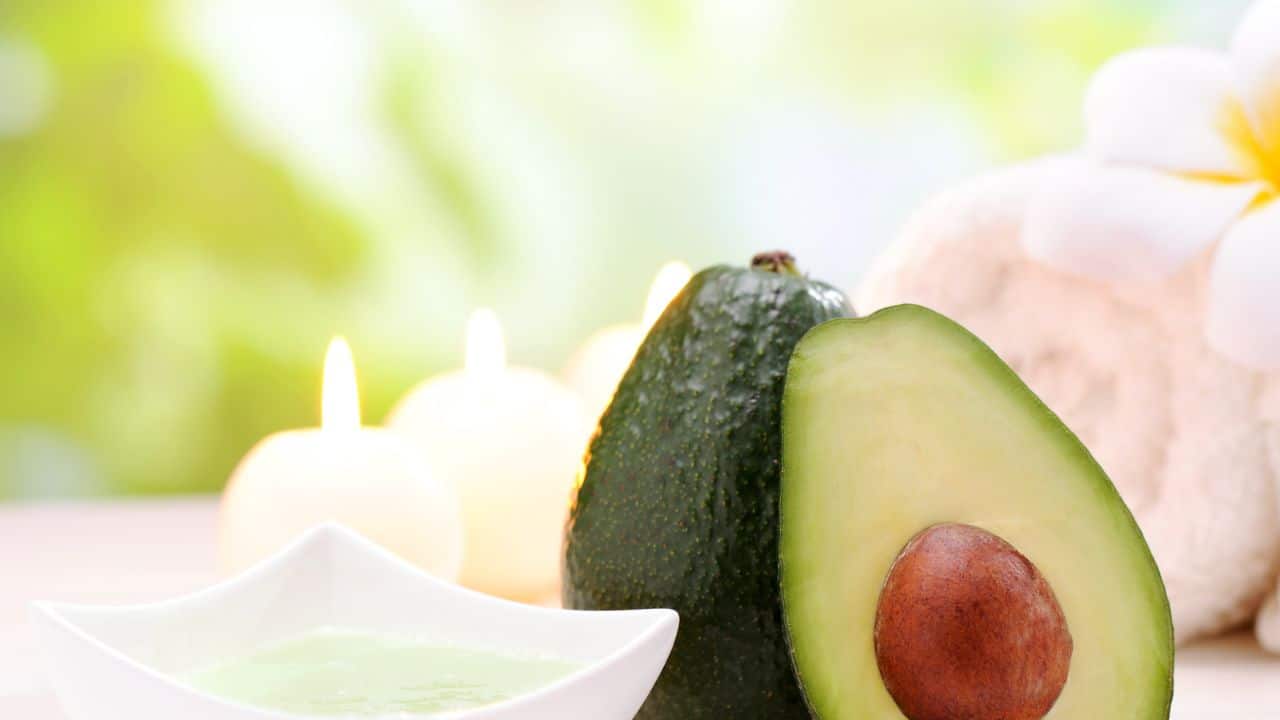
Eat healthy fats: Healthy fats can help reduce inflammation and support overall hormonal balance. Include avocados, nuts (like almonds and walnuts), seeds (such as chia and flaxseeds), and olive oil. (Image: Canva)
4/17

Include lean proteins: Lean proteins can help stabilise blood sugar levels and manage hunger. They also support muscle mass, which is important for metabolic health. Choose sources like grilled chicken, fish (especially fatty types like salmon), tofu, tempeh, and legumes. (Image: Canva)
5/17
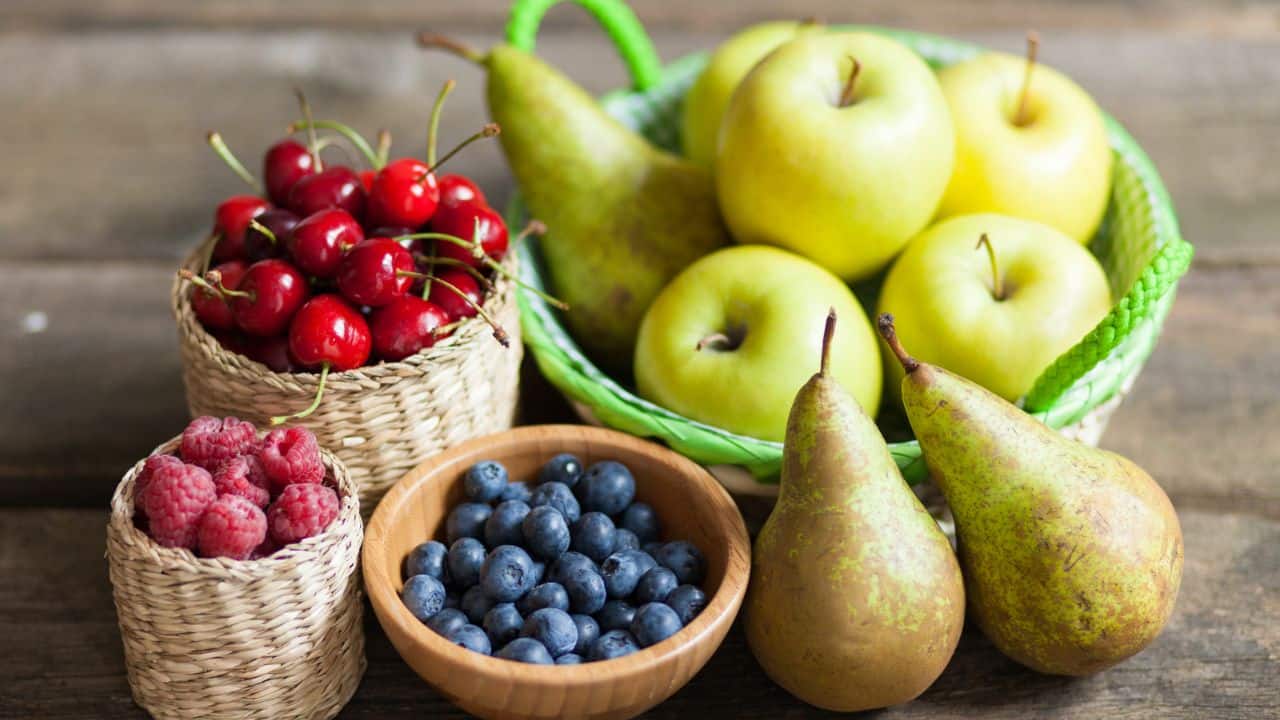
Increase fibre intake: Fibre slows down the absorption of sugar and improves blood sugar control. It also helps with digestion and weight management. Foods high in fibre include fruits like apples and berries, vegetables such as broccoli and carrots, whole grains like oats and brown rice, and legumes. (Image: Canva)
6/17

Stay hydrated: Proper hydration supports metabolic processes and can help reduce symptoms like bloating and fatigue. Aim for at least 8 cups of water a day. Herbal teas and infused water (with lemon, cucumber, or mint) can also contribute to hydration. (Image: Canva)
7/17
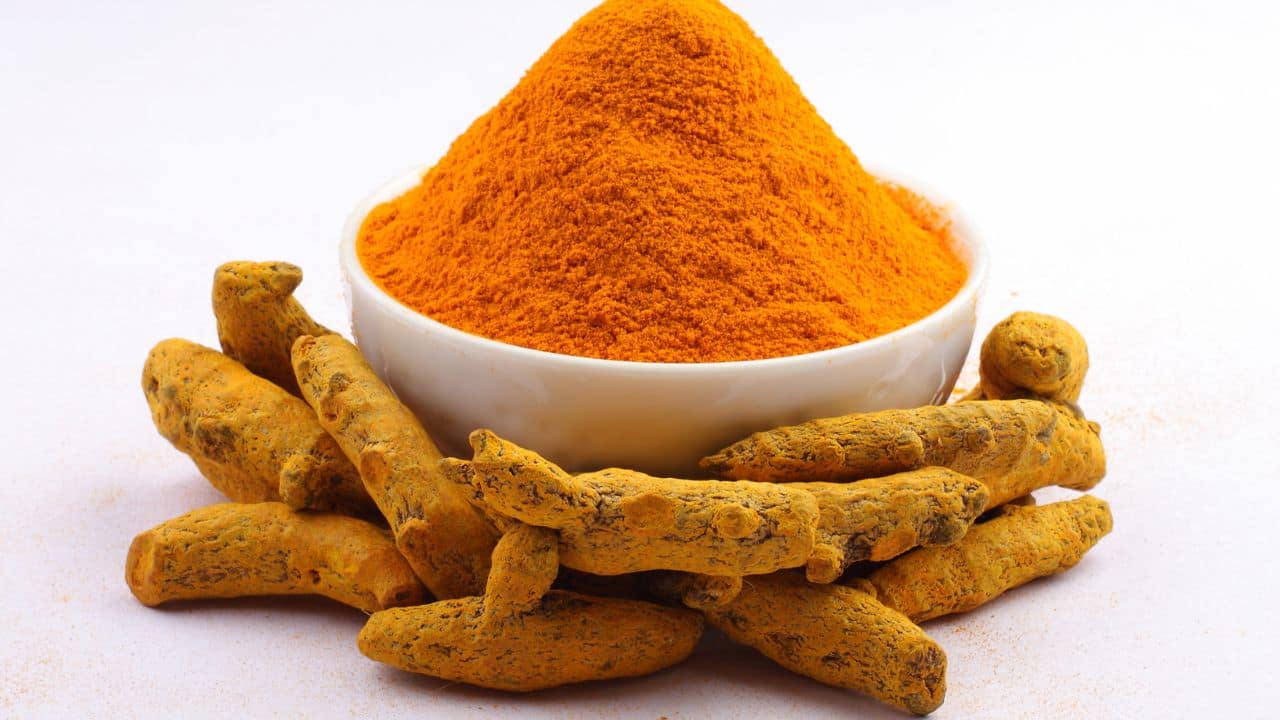
Include anti-inflammatory foods: Anti-inflammatory foods can help reduce chronic inflammation, which is often associated with PCOS. Include berries (like blueberries and strawberries), turmeric (use in curries or as a supplement), ginger (use in teas or cooking), and green tea in daily diet. (Image: Canva)
8/17
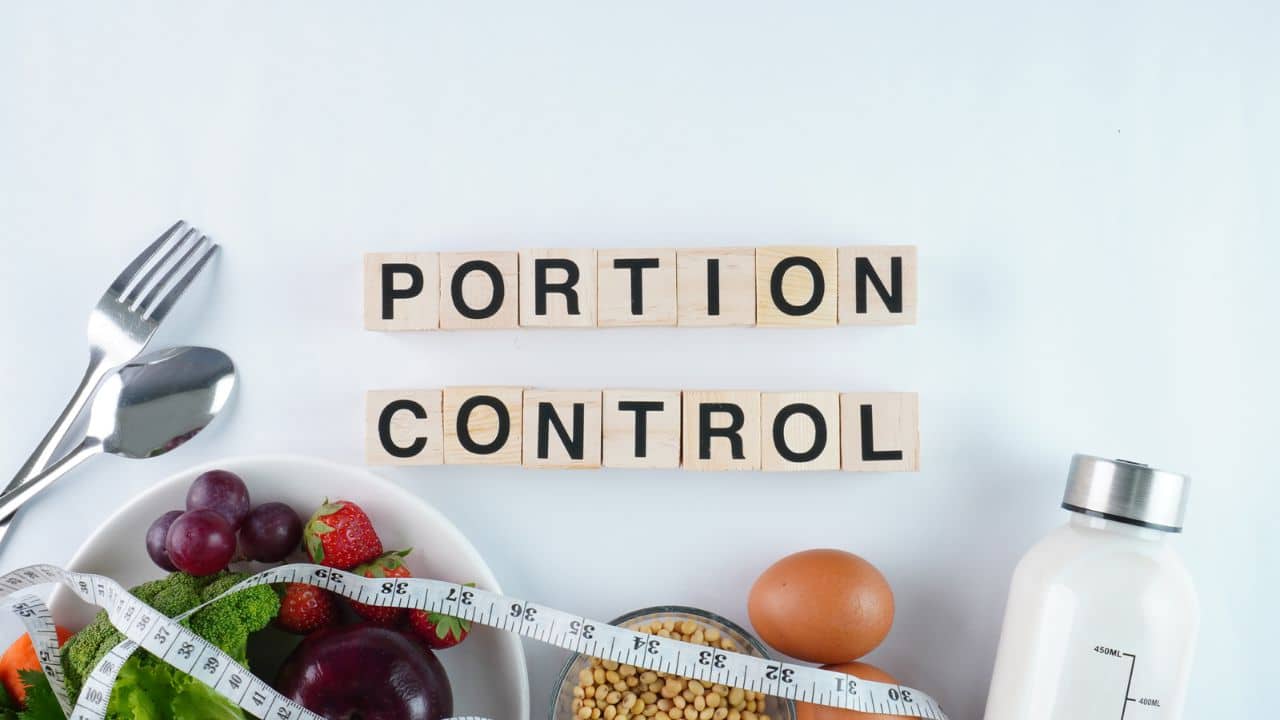
Monitor portion sizes: Controlling portion sizes helps manage calorie intake and can assist in maintaining a healthy weight, which is important for managing PCOS. Use smaller plates, measure portions, and listen to hunger cues. Eating slowly can also help with portion control. (Image: Canva)
9/17
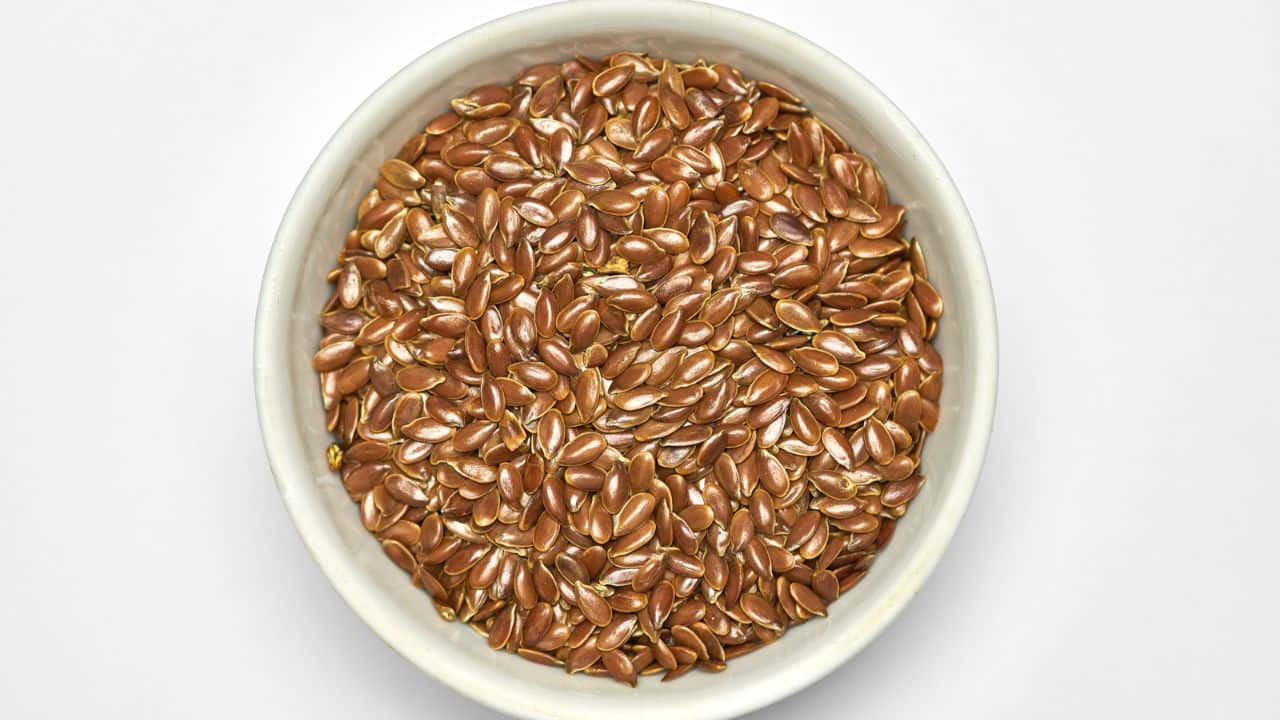
Consider omega-3 fatty acids: Omega-3 fatty acids can help improve insulin sensitivity and reduce inflammation. Include foods like flaxseeds, chia seeds, and walnuts, and fatty fish like salmon, mackerel, and sardines. (Image: Canva)
10/17

Don'ts:
Avoid high-glycaemic-index foods: Foods with a high GI cause rapid spikes in blood sugar levels, leading to higher insulin levels and worsening PCOS symptoms. Avoid Sugary snacks (like candy and pastries), white bread, white rice, and sugary drinks (like soda and fruit juices). (Image: Canva)
Avoid high-glycaemic-index foods: Foods with a high GI cause rapid spikes in blood sugar levels, leading to higher insulin levels and worsening PCOS symptoms. Avoid Sugary snacks (like candy and pastries), white bread, white rice, and sugary drinks (like soda and fruit juices). (Image: Canva)
11/17
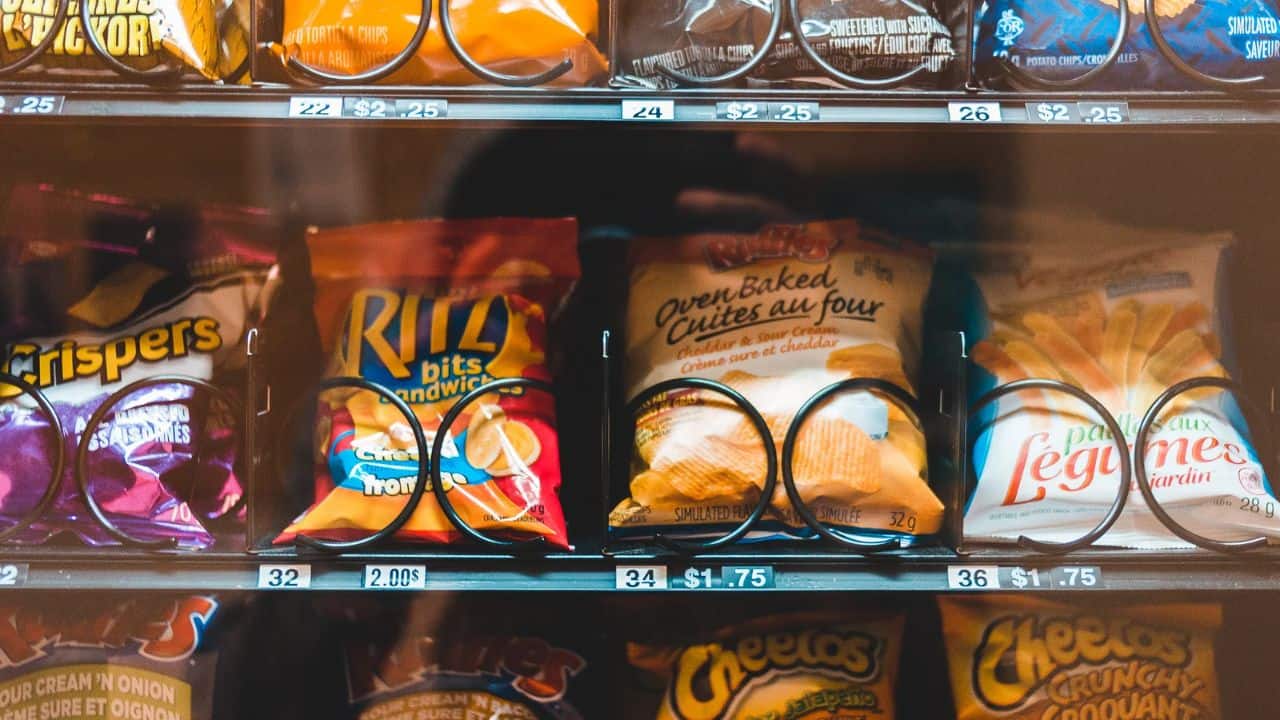
Limit processed foods: Processed foods often contain trans fats, added sugars, and refined carbs, which can increase inflammation and worsen PCOS symptoms. Exclude packaged snacks, fast food, and pre-packaged meals. (Image: Canva)
12/17
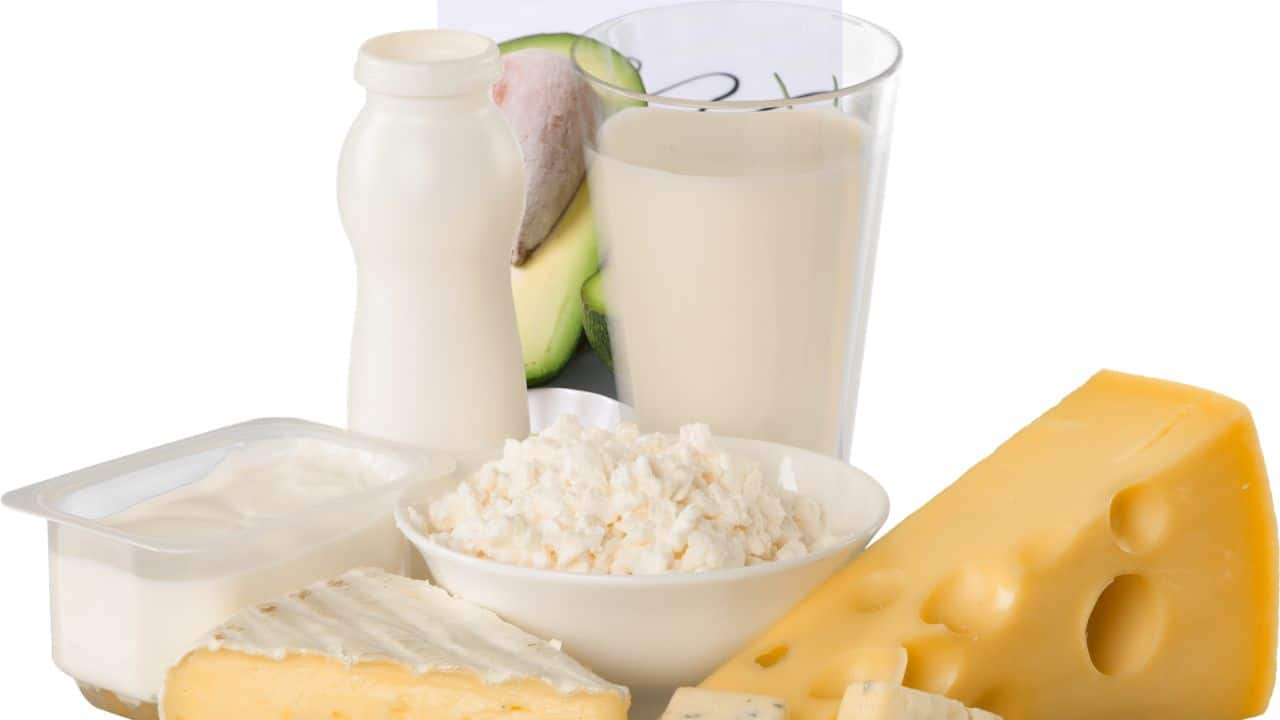
Reduce dairy intake: Some studies suggest that dairy can increase insulin levels and worsen PCOS symptoms, though this can vary from person to person. Consider plant-based milk (like almond, oat, or coconut milk) and non-dairy yoghurt. (Image: Canva)
13/17

Minimise caffeine and alcohol: Both caffeine and alcohol can disrupt hormonal balance and contribute to inflammation. Limit coffee and caffeinated beverages, and moderate alcohol consumption. Consuming herbal teas and water is a better alternative. (Image: Canva)
14/17

Avoid skipping meals: Skipping meals can lead to blood sugar imbalances and increase cravings, negatively impacting PCOS management. Aim for regular meals and snacks throughout the day to maintain stable blood sugar levels. (Image: Canva)
15/17

Limit saturated and trans fats: These fats can increase inflammation and negatively affect insulin sensitivity. Avoid fried foods, commercially baked goods etc. (Image: Canva)
16/17
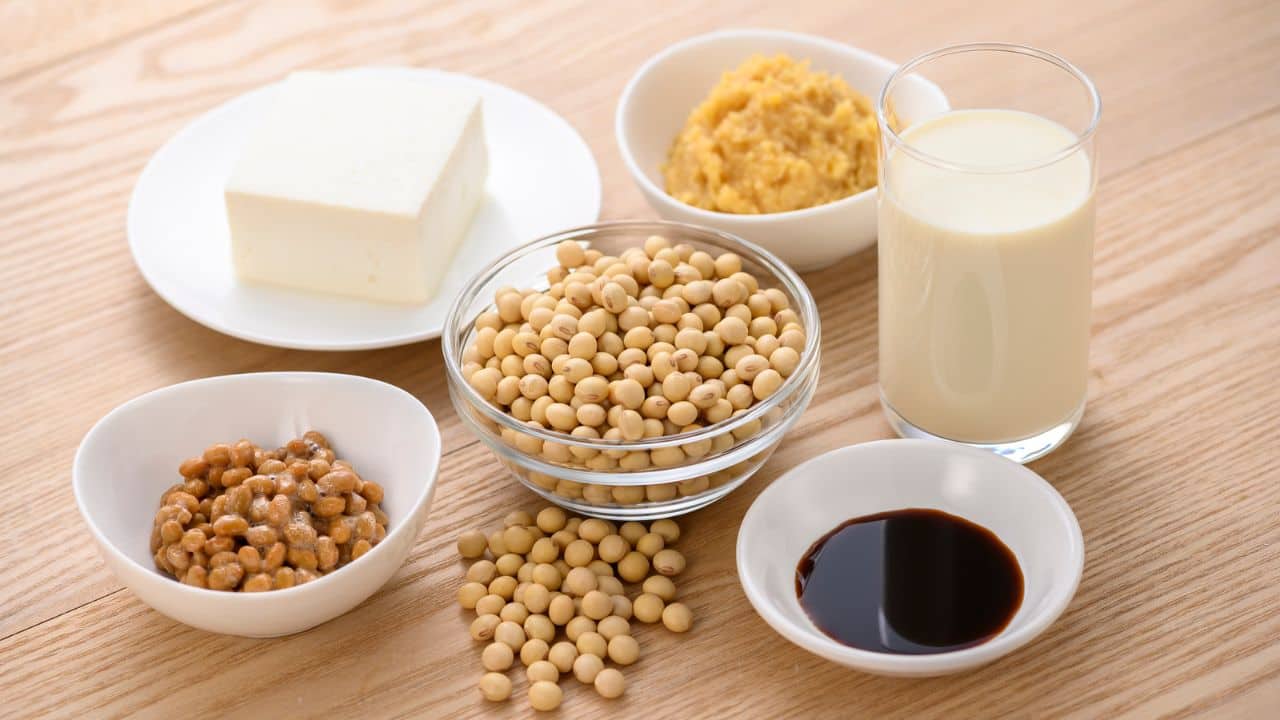
Be cautious with soy products: Excessive soy can influence oestrogen levels due to its phytoestrogen content, potentially affecting hormonal balance. Include fermented soy products like tempeh or miso, which are generally better tolerated. (Image: Canva)
17/17
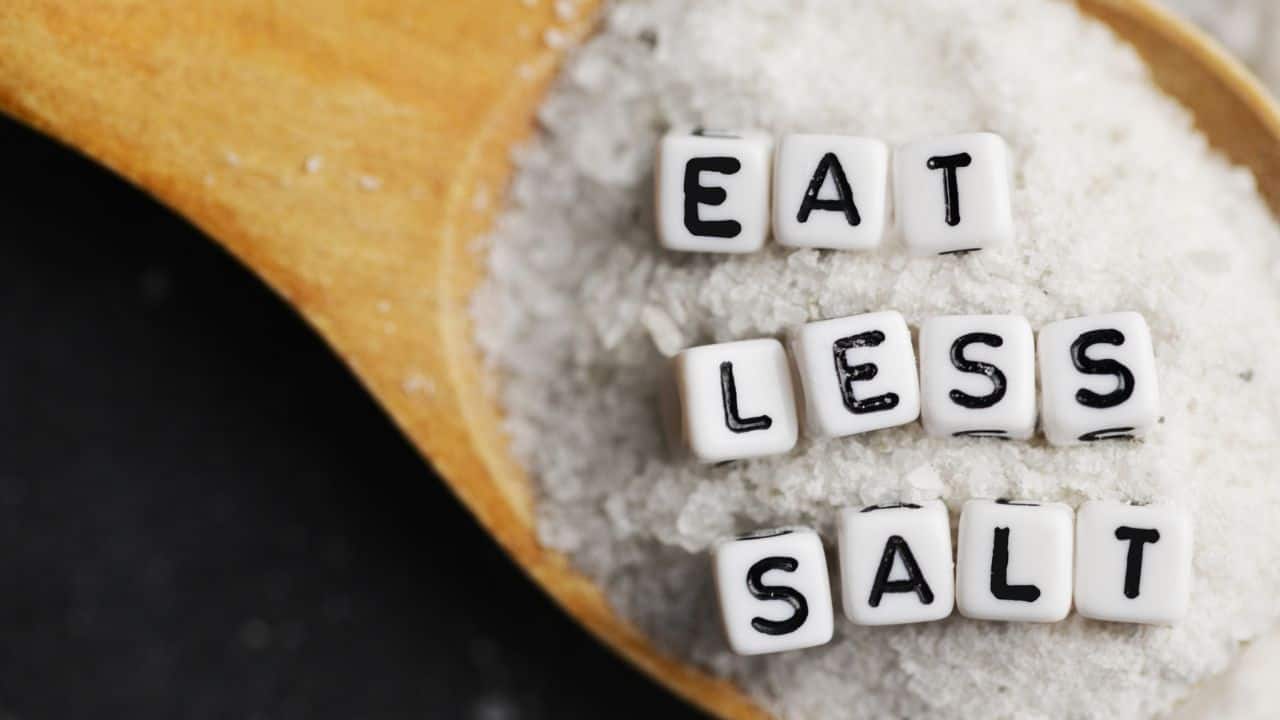
Reduce salt intake: High salt intake can lead to fluid retention and high blood pressure, which are not ideal for managing PCOS. Use herbs and spices for flavour instead of salt, and avoid processed foods with high sodium content. (Image: Canva)
Discover the latest Business News, Budget 2025 News, Sensex, and Nifty updates. Obtain Personal Finance insights, tax queries, and expert opinions on Moneycontrol or download the Moneycontrol App to stay updated!



