-
My Account











Obstructive Sleep Apnea causes, symptoms and ways to improve sleep quality
Obstructive sleep apnea is a sleep-related breathing disorder caused by recurrent upper airway obstruction during sleep. It leads to fragmented sleep and excessive daytime sleepiness. Causes factors include obesity, craniofacial abnormalities, and smoking.




1/10
What is Obstructive Sleep Apnea?
Obstructive sleep apnea refers to a sleep-related breathing disorder that is characterised by recurrent episodes of obstruction of the airways while the person is sleeping. These episodes lead to fragmented sleep and excessive sleepiness during the daytime, significantly affecting quality of life and overall health (Images: Canva)
Obstructive sleep apnea refers to a sleep-related breathing disorder that is characterised by recurrent episodes of obstruction of the airways while the person is sleeping. These episodes lead to fragmented sleep and excessive sleepiness during the daytime, significantly affecting quality of life and overall health (Images: Canva)
2/10
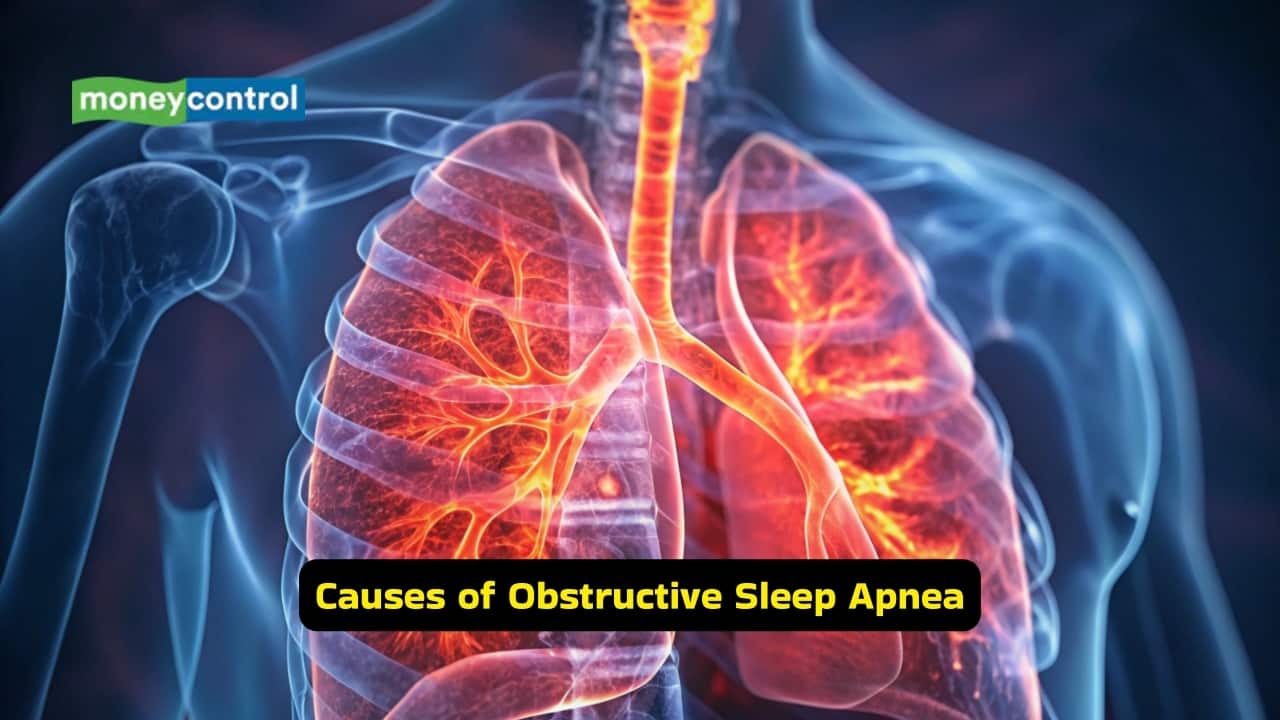
Causes of Obstructive Sleep Apnea
This condition occurs due to the collapse of the upper airway during sleep, most commonly at the level of the pharynx. Reduced tone of the pharyngeal muscles during sleep contributes to airway obstruction. Structural or anatomical narrowing of the airway also plays an important role in disease development.
This condition occurs due to the collapse of the upper airway during sleep, most commonly at the level of the pharynx. Reduced tone of the pharyngeal muscles during sleep contributes to airway obstruction. Structural or anatomical narrowing of the airway also plays an important role in disease development.
3/10

Risk factors of Obstructive Sleep Apnea
Craniofacial abnormalities and obesity significantly increase the risk of developing obstructive sleep apnea. The condition is more commonly seen in middle-aged and elderly individuals, with a higher incidence in males. A large neck circumference is also strongly associated with increased airway collapsibility.
Craniofacial abnormalities and obesity significantly increase the risk of developing obstructive sleep apnea. The condition is more commonly seen in middle-aged and elderly individuals, with a higher incidence in males. A large neck circumference is also strongly associated with increased airway collapsibility.
4/10

Smoking, alcohol, hypothyroidism
Other factors that increase the risk include smoking, alcohol consumption, and hypothyroidism. Polycystic ovarian syndrome also influences the development of obstructive sleep apnea. These conditions contribute to hormonal imbalance, airway inflammation, or reduced neuromuscular control of the upper airway.
Other factors that increase the risk include smoking, alcohol consumption, and hypothyroidism. Polycystic ovarian syndrome also influences the development of obstructive sleep apnea. These conditions contribute to hormonal imbalance, airway inflammation, or reduced neuromuscular control of the upper airway.
5/10

Health risks of excess daytime sleepiness
A common symptom seen in individuals with obstructive sleep apnea is excessive daytime sleepiness. Patients often feel persistently tired despite adequate sleep duration, which affects daily functioning and increases the risk of accidents, particularly during activities requiring sustained attention.
A common symptom seen in individuals with obstructive sleep apnea is excessive daytime sleepiness. Patients often feel persistently tired despite adequate sleep duration, which affects daily functioning and increases the risk of accidents, particularly during activities requiring sustained attention.
6/10

Fatigue, unintentional sleep episodes
Clinical features include fatigue, lack of concentration, and unintentional sleep episodes while performing routine activities such as reading or driving. These symptoms result from repeated nocturnal awakenings and fragmented sleep, leading to non-restorative sleep patterns.
Clinical features include fatigue, lack of concentration, and unintentional sleep episodes while performing routine activities such as reading or driving. These symptoms result from repeated nocturnal awakenings and fragmented sleep, leading to non-restorative sleep patterns.
7/10
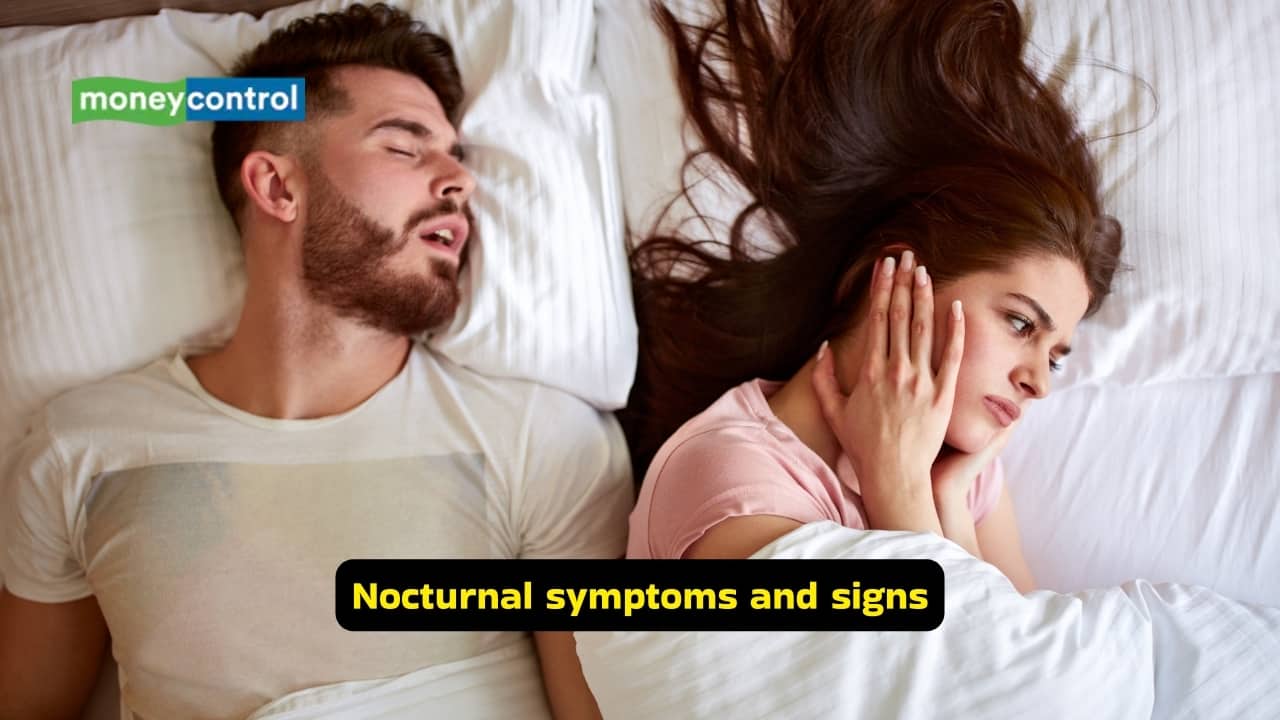
Nocturnal symptoms and signs
At night, family members may notice loud habitual snoring and witnessed apnoeic episodes. The individual may experience choking or gasping during sleep, along with frequent awakenings. Many patients complain of morning headaches after waking up. Long-term sleep deprivation leads to impaired memory, reduced attention span, irritability, and depression. Work efficiency may decline in adults. In children, obstructive sleep apnea may manifest as poor academic performance and behavioural problems rather than excessive sleepiness.
At night, family members may notice loud habitual snoring and witnessed apnoeic episodes. The individual may experience choking or gasping during sleep, along with frequent awakenings. Many patients complain of morning headaches after waking up. Long-term sleep deprivation leads to impaired memory, reduced attention span, irritability, and depression. Work efficiency may decline in adults. In children, obstructive sleep apnea may manifest as poor academic performance and behavioural problems rather than excessive sleepiness.
8/10

CPAP therapy and benefits
In moderate to severe obstructive sleep apnea, CPAP therapy is often recommended. It helps maintain airway patency during sleep, improving daytime alertness, blood pressure control, and cardiovascular outcomes. Long-term adherence to CPAP therapy is essential for sustained benefits.
In moderate to severe obstructive sleep apnea, CPAP therapy is often recommended. It helps maintain airway patency during sleep, improving daytime alertness, blood pressure control, and cardiovascular outcomes. Long-term adherence to CPAP therapy is essential for sustained benefits.
9/10

Weight loss and lifestyle changes
Weight loss is one of the most effective measures for managing obstructive sleep apnea. Excess fat around the neck increases airway collapse during sleep. Reduction in body weight can decrease snoring, apnoeic episodes, and daytime sleepiness, especially in overweight individuals.
Weight loss is one of the most effective measures for managing obstructive sleep apnea. Excess fat around the neck increases airway collapse during sleep. Reduction in body weight can decrease snoring, apnoeic episodes, and daytime sleepiness, especially in overweight individuals.
10/10

Positional therapy and avoidance
Sleeping in the supine position worsens airway obstruction; therefore, encouraging side-sleeping helps keep the airway open. Using pillows or positional devices can reduce symptoms. Alcohol and sedatives should be avoided at night as they further relax airway muscles and worsen obstruction. (Disclaimer: This article, including health and fitness advice, only provides generic information. Don’t treat it as a substitute for qualified medical opinion. Always consult a specialist for specific health diagnosis)
Sleeping in the supine position worsens airway obstruction; therefore, encouraging side-sleeping helps keep the airway open. Using pillows or positional devices can reduce symptoms. Alcohol and sedatives should be avoided at night as they further relax airway muscles and worsen obstruction. (Disclaimer: This article, including health and fitness advice, only provides generic information. Don’t treat it as a substitute for qualified medical opinion. Always consult a specialist for specific health diagnosis)
Discover the latest Business News, Budget 2025 News, Sensex, and Nifty updates. Obtain Personal Finance insights, tax queries, and expert opinions on Moneycontrol or download the Moneycontrol App to stay updated!



