Why Sargi Meal is ImportantA well-balanced sargi meal (the pre-dawn meal before the fast) should focus on hydrating, fibre-rich, and nutrient-dense foods to sustain energy throughout the day. Experts suggest including fruits, oats, curd, milk, nuts, and whole grains. Here’s a guide on which foods to avoid for a smoother and healthier Karwa Chauth (Image: Canva)
 Caffeinated Drinks (Tea, Coffee, Cola)Caffeine is a diuretic, meaning it increases fluid loss and can leave you dehydrated during the day. Consuming tea, coffee, or cola before the fast may initially give you a short burst of energy, but it can lead to fatigue, headaches, or dizziness later. Instead, opt for hydrating beverages like coconut water, milk, or herbal teas to keep your body energized and well-hydrated. (Image: Canva)
 Fried and Oily FoodsGreasy snacks such as puris, pakoras, or deep-fried samosas are heavy and difficult to digest. Eating them before a long fast can slow digestion, cause bloating, and trigger acidity or heartburn as the day progresses. Choose light, homemade meals rich in whole grains, vegetables, and ghee for sustained energy without discomfort. (Image: Canva)
 Sugary SweetsTraditional sweets made with refined sugar, such as gulab jamun or barfi, may taste festive but can lead to rapid fluctuations in blood sugar levels. This spike-and-crash effect can leave you feeling drained and lethargic mid-fast. Instead, include natural sweeteners like dates, jaggery, or ripe fruits in your sargi meal to provide slow-releasing energy. (Image: Canva)
 Salty and Processed FoodsHigh-salt foods like namkeen, papad, or pickles increase thirst and can worsen dehydration during the fast. Excess salt also makes the body retain water, leading to bloating. Keep salt intake minimal before the fast and focus on hydrating foods like fruits, smoothies, or a small bowl of curd. (Image: Canva)
 Spicy DishesHeavily spiced dishes can irritate the stomach lining and may trigger acidity or discomfort during the day. Instead, consume mildly seasoned, cooling foods such as curd rice, soft fruits, oats porridge, or lightly cooked vegetables. These options provide energy without upsetting your digestive system. (Image: Canva)
 Cold Beverages or Ice CreamsAfter fasting all day, your digestive system is more sensitive. Cold drinks, ice water, or ice cream can shock the stomach, causing cramps or indigestion. Start your post-fast meal with lukewarm water or milk, and follow it with light, easily digestible foods to restore hydration and energy gently. (Image: Canva)
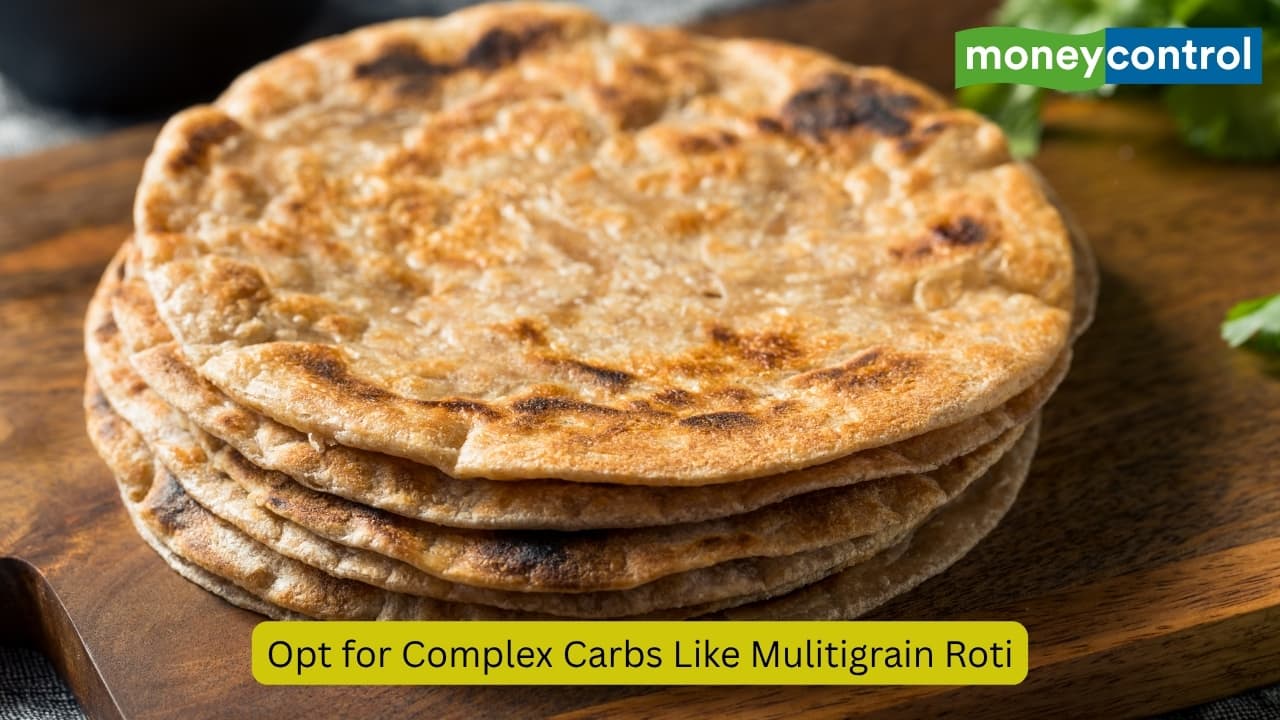 Maida and Refined CarbsRefined carbohydrates like white bread, noodles, or pastries digest very quickly and can spike blood sugar levels, which may lead to fatigue and hunger pangs shortly after. Opt for complex carbs such as multigrain rotis, khichdi, or soups that provide long-lasting energy without overwhelming the digestive system. (Image: Canva)
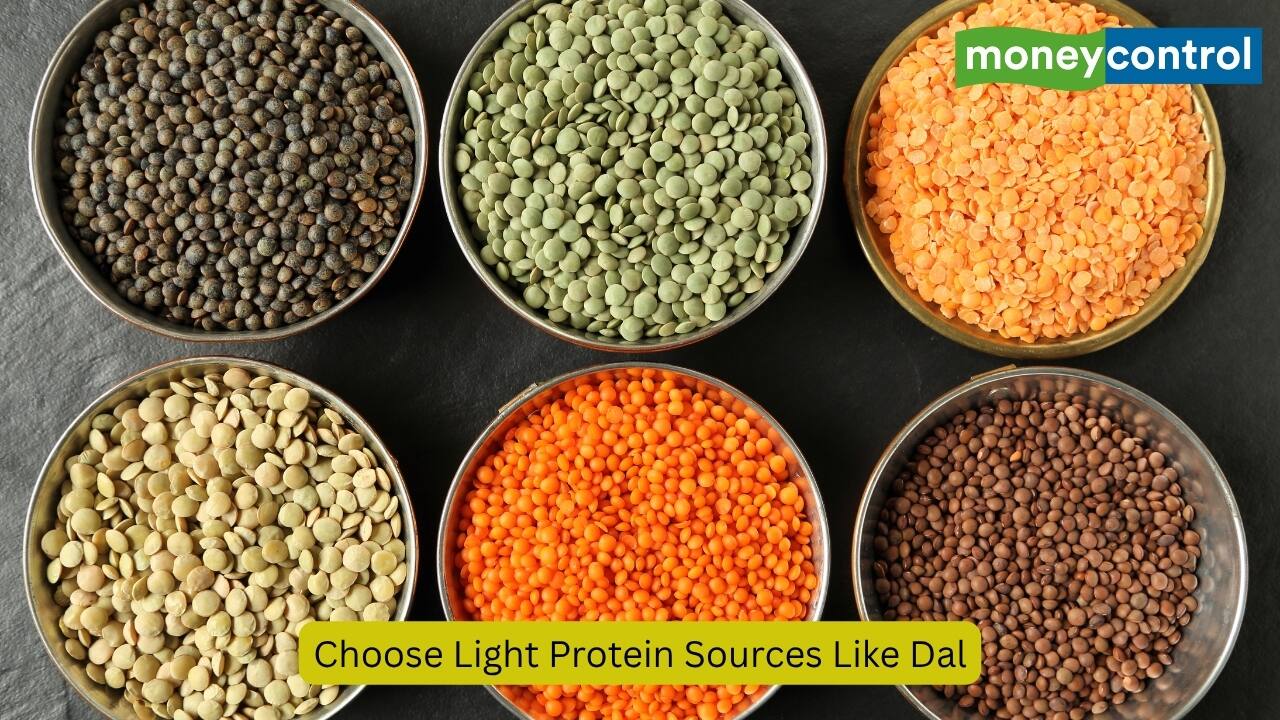 Heavy Proteins (Mutton, Fried Paneer)High-fat, protein-heavy foods like fried paneer or red meat are difficult to digest after a long fast and can cause stomach heaviness or bloating. Choose light protein sources such as lentils, dal, yogurt, or soft paneer to rebuild energy and support digestion. (Image: Canva)
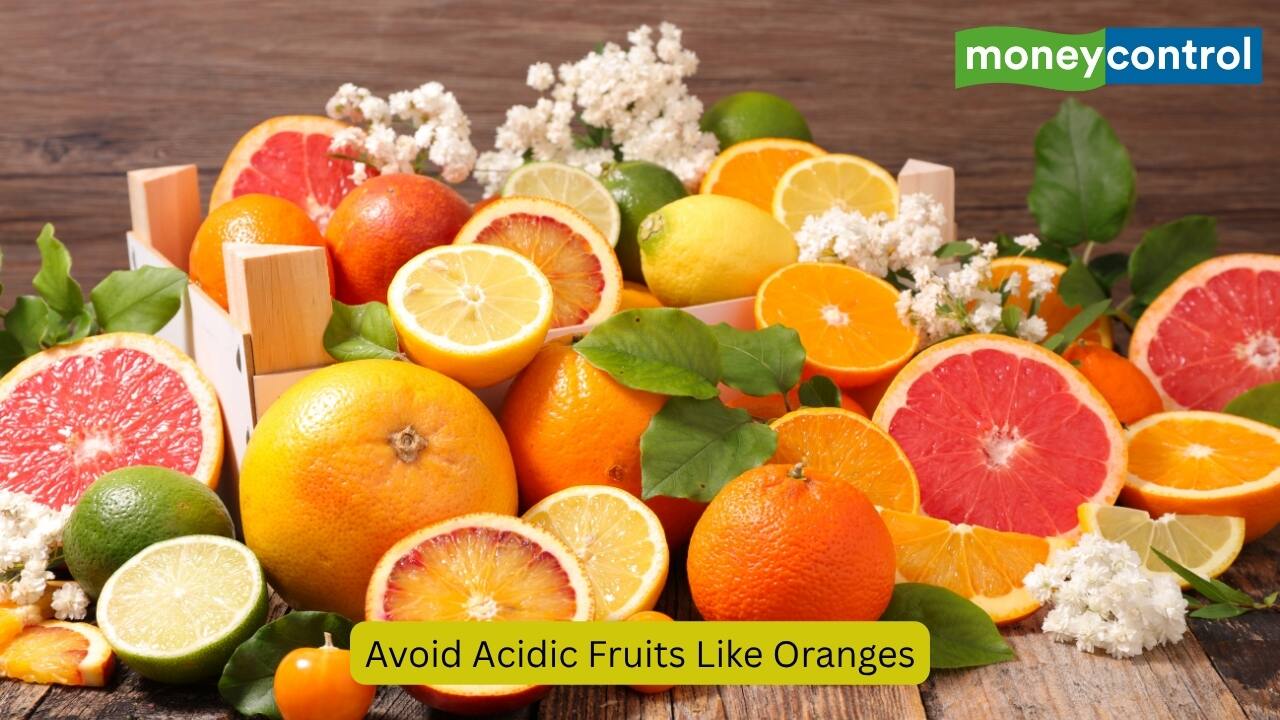 Citrus Fruits and JuicesAcidic foods like oranges, lemon water, or pineapple can irritate the stomach and cause heartburn after fasting. Instead, go for gentle fruits like bananas, papayas, or soaked dates, which are easier on the stomach and provide natural sugars for energy replenishment. (Image: Canva)
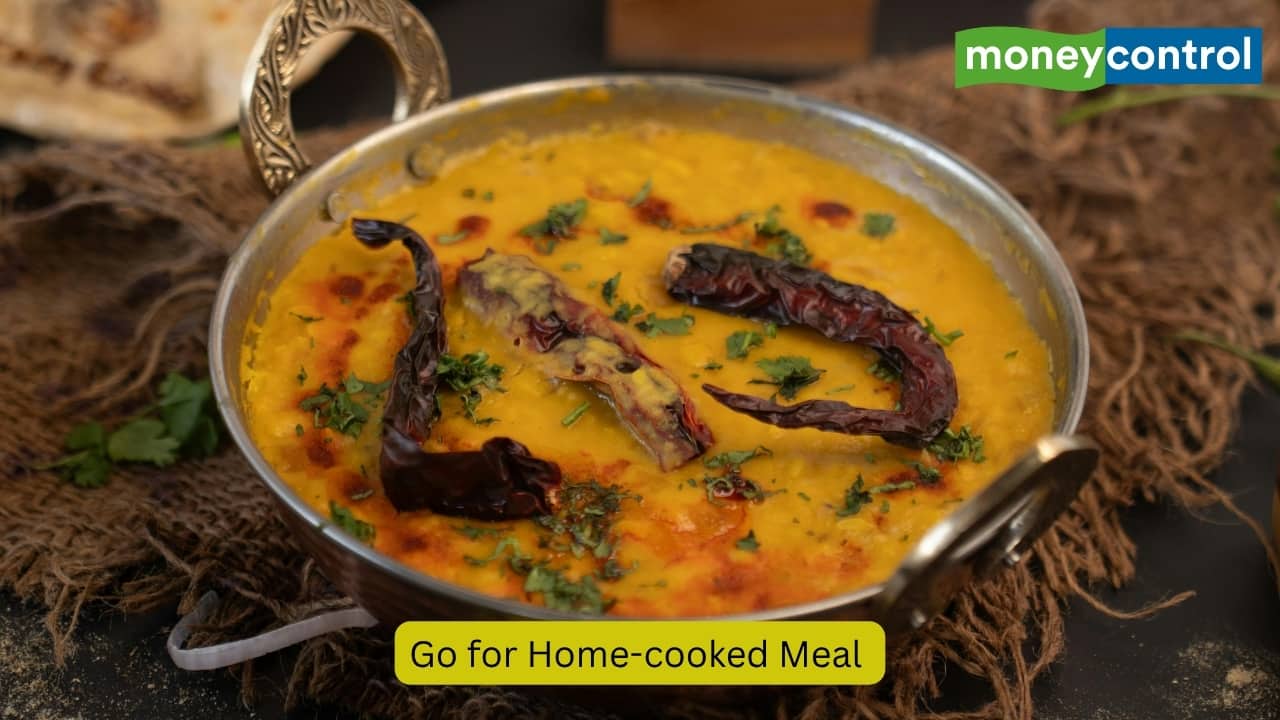 Bakery and Packaged FoodsPastries, biscuits, or packaged snacks are high in sugar, refined flour, and unhealthy fats, all of which strain your digestive system after a long fast. Fresh, home-cooked meals remain the best option — soups, vegetable khichdi, or lightly spiced dal help restore nutrients without overloading the stomach. (Image: Canva)
Discover the latest Business News, Sensex, and Nifty updates. Obtain Personal Finance insights, tax queries, and expert opinions on Moneycontrol or download the Moneycontrol App to stay updated!
Find the best of Al News in one place, specially curated for you every weekend.
Stay on top of the latest tech trends and biggest startup news.