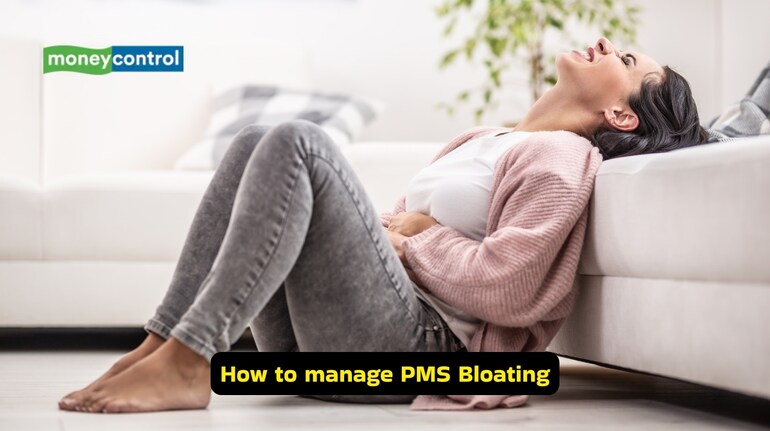

Even women who eat healthy and exercise regularly can experience issues during the second half of their menstrual cycle. Health professionals are noticing this in people with PMS, PCOS, thyroid issues, endometriosis, and even perimenopause. A single trigger rarely causes the symptoms, which makes things more complicated.
The luteal phase, the time that occurs between ovulation and menstruation, can affect digestion due to hormonal changes. As progesterone levels increase, some bodily functions are slowed down, including gut motility.
Also read | Gynaecologist reveals 8 natural ways to get rid of PMS bloating
Deepika Rathod, Head Nutritionist at Luke Coutinho Holistic Healing Systems, tells Moneycontrol that it is a mistake to treat it like a single-food problem. “More often, PMS bloating is a mix of hormone timing, gut motility, water retention, stress load, and what we call emotional junk food eating. Here is what is usually happening: In the luteal phase, progesterone can slow gut motility in many women. Food and stool move more slowly, gas builds up, and the abdomen feels tight and distended. At the same time, fluid retention can rise and the gut becomes more reactive to common triggers like high-salt foods, late dinners, carbonated drinks, excess raw salads, and 'healthy' protein snacks that contain sugar and alcohols,” she says.
When PMS cravings are added in, you have a reliable cycle. Women tend to crave comfort foods that are saltier, sweeter or more processed naturally. When eaten, particularly in the evening, these options can exacerbate overnight bloating and digestive disturbances.
The best way to manage your PMS bloating is by predicting what your body needs rather than reacting to symptoms. It is recommended that five to seven days before your periods you should start preparing.
Also read | PMS relief diet tips: Best foods and drinks to ease PMS symptoms naturally
Rathod adds, “Start with warm water on waking, more cooked fibre (vegetables, soups, stews), soaked seeds if they suit you, and a 10-minute walk after meals. Reduce salt load by cutting packaged foods, sauces, and salty snacks. Keep dinner earlier and lighter, favour warm home- cooked meals, and minimise heavy late-night dairy if you know it bloats you. As summers approach, a light homemade cold soup can also work well for dinner if it suits your digestion.”
A warm khichdi bowl, light soup, curd rice (if tolerated), or even a square of fancy dark chocolate can satisfy cravings without overburdening the gut. Foods that are rich in potassium and magnesium, such as bananas and leafy greens, help regulate fluid balance and support overall energy levels.
Herbal infusions like peppermint or ginger after meals may help soothe digestion naturally for women experiencing excess gas.
1. What causes PMS bloating?
PMS bloating is usually caused by a combination of hormonal changes, slowed gut motility, water retention, stress, and eating habits. During the luteal phase, increased progesterone can slow digestion, causing gas buildup and abdominal discomfort.
2. How can I manage PMS bloating effectively?
Start planning five to seven days before your period. Drink warm water upon waking, eat more cooked fibre, reduce salt intake, and take short walks after meals. Opt for lighter, home-cooked dinners and avoid late-night heavy dairy.
3. What foods should I avoid to reduce PMS bloating?
To reduce PMS bloating, avoid high-salt foods, late dinners, carbonated drinks, excess raw salads, and protein snacks with sugar and alcohols. These can worsen bloating and digestive disturbances, especially when consumed in the evening.
4. What are some good food choices during PMS?
During PMS, choose foods rich in potassium and magnesium like bananas and leafy greens. Warm dishes like khichdi, light soups, curd rice (if tolerated), and a small piece of dark chocolate can satisfy cravings without overburdening the gut.
5. Can herbal infusions help with PMS bloating?
Yes, herbal infusions such as peppermint or ginger tea after meals can naturally soothe digestion and help reduce excess gas for women experiencing PMS bloating.
Disclaimer: This article, including health and fitness advice, only provides generic information. Don’t treat it as a substitute for qualified medical opinion. Always consult a specialist for specific health diagnosis.
Discover the latest Business News, Sensex, and Nifty updates. Obtain Personal Finance insights, tax queries, and expert opinions on Moneycontrol or download the Moneycontrol App to stay updated!
Find the best of Al News in one place, specially curated for you every weekend.
Stay on top of the latest tech trends and biggest startup news.