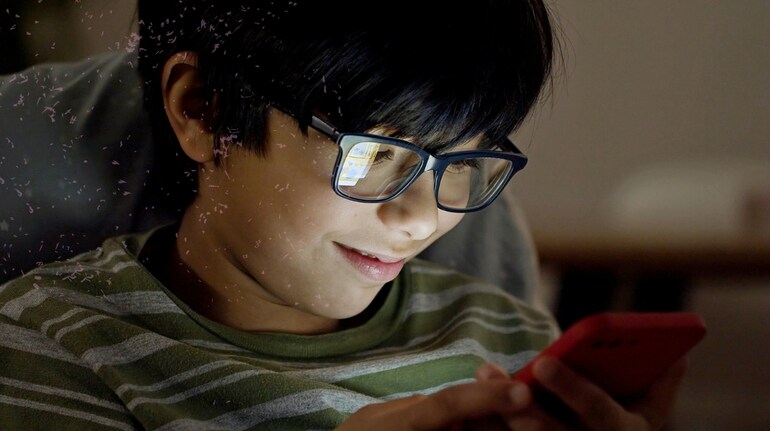

It’s a moment many parents recognise instantly. Your child is tucked into bed, you reach to turn off the light, when you hear a familiar request: “Just five more minutes on my phone, please.” Most parents give in, as five minutes don’t feel like a big deal and they feel that if they allow the request, the child will sleep easily once the screen is off. Instead, this nightly extension of bedtime quietly becomes a pattern. A glowing screen in a dark room, a brain that stays alert just a little longer, and a child who finds it increasingly harder to switch off at night.
Our bodies run on a circadian rhythm, which is simply the brain’s internal clock telling us when to feel awake and when to sleep.
Dr Shorouq Motwani, Consultant, Child & Adolescent Psychiatry at Narayana Health SRCC Children’s Hospital, Mumbai, said, “As bedtime approaches, the brain releases melatonin, the hormone that gently signals the body that it is time to rest. Screens interfere with this natural process in two ways. First, the blue light from phones and tablets suppresses melatonin. This delays sleep latency, meaning the time it takes for a child to actually fall asleep becomes longer.”
“Secondly, screens stimulate the mind. From a psychiatric perspective, screen usage at bedtime causes psychological and behavioural disruptions. Videos, games, and social media content create cognitive arousal, where the brain becomes mentally active instead of relaxed,” he added. For children and teenagers, whose brains are still learning about self-control and how to regulate their emotions, this stimulation through screens can make bedtime feel like pressing the pause button on a busy mind.
According to Dr Motwani, over time, parents may begin to notice small changes that suggest the sleep cycle is shifting.
● Taking longer to fall asleep
● Resistance at bedtime
● Morning fatigue or irritability
● Difficulty concentrating in school
● Increased dependence on devices at night
Sometimes parents feel a little guilty when they realise how screens have conveniently slipped into bedtime routines. “This situation is very common across houses in the country. Many children who struggle with mood swings, irritability, or reduced attention are actually experiencing sleep deprivation, simply not getting the restorative sleep their growing brains need,” Dr Motwani noted.
According to Dr Motwani, the reassuring part is that sleep habits can be gently rebuilt. Children usually relate better to predictable routines, irrespective of time of day. Hence, a screen-free hour before bedtime, softer lighting, and calming activities like reading or quiet conversations can help the brain transition into sleep time.
Keeping devices outside the bedroom can also remove the nightly negotiation altogether. Instead of stimulation, bedtime becomes a signal for the mind to slow down.
Also read: Doctor says these 3 medicines can save a heart attack patient
1. What is considered excessive screen time for children?
Excessive screen time refers to spending more time on devices such as smartphones, tablets, televisions, or computers than recommended for a child’s age. Health experts generally suggest limiting recreational screen exposure to protect physical and mental well-being.
2. How can too much screen time affect a child’s eyesight?
Prolonged use of digital screens may lead to eye strain, dry eyes, blurred vision, and headaches. Children may also develop habits like blinking less frequently, which can worsen discomfort.
3. Can excessive screen time impact a child’s sleep?
Yes, spending long hours on screens—especially before bedtime—can interfere with sleep. The blue light emitted by devices can disrupt the body’s natural sleep cycle and make it harder for children to fall asleep.
4. Does screen time affect a child’s physical health?
Too much time spent sitting with devices can reduce physical activity. This may increase the risk of weight gain, poor posture, and reduced muscle strength in growing children.
5. Can screen time affect a child’s mental health?
Excessive use of screens may contribute to mood changes, irritability, reduced attention span, and increased risk of anxiety or stress in some children.
Disclaimer: This article, including health and fitness advice, only provides generic information. Don’t treat it as a substitute for qualified medical opinion. Always consult a specialist for specific health diagnosis.
Discover the latest Business News, Sensex, and Nifty updates. Obtain Personal Finance insights, tax queries, and expert opinions on Moneycontrol or download the Moneycontrol App to stay updated!
Find the best of Al News in one place, specially curated for you every weekend.
Stay on top of the latest tech trends and biggest startup news.