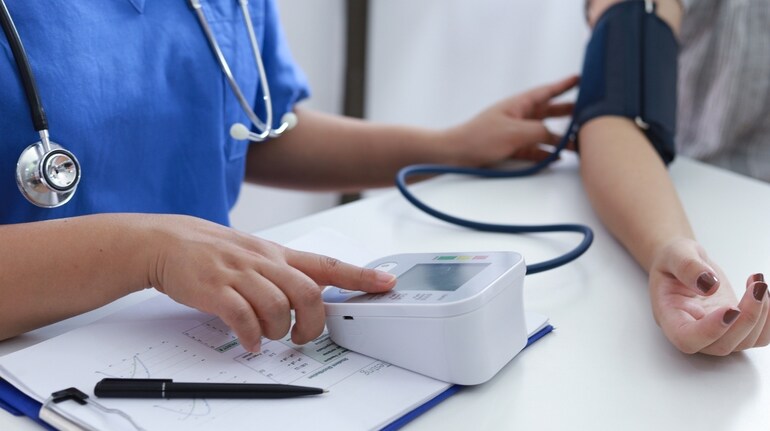
Cold weather comes with several health challenges and can also take a huge toll on your heart health by affecting blood pressure and cholesterol levels. When, in winter, the temperatures drop, blood vessels constrict, or narrow, to preserve body heat, a process called vasoconstriction. This narrowing increases blood pressure because the heart has to work harder to pump blood through the body. Additionally, the reduced blood flow to vital organs can put extra stress on the heart, increasing the risk of heart attacks and strokes.
In cold weather, your body’s natural response is to conserve heat, which can lead to changes in your cardiovascular system, says Dr Sushant Srivastava, Chairperson of Heart & Lungs Transplant at Artemis Hospitals. "Cold weather forces the body into overdrive, making the heart work harder to maintain circulation. This added strain, combined with reduced physical activity, can have a significant impact on cardiovascular health," he says.
Also read | Health Formula: How to take care of your heart?
Shivering, he adds, is another common response to cold, and involves muscle activity that can temporarily raise cholesterol levels. “During winter, people tend to be less physically active, which can also contribute to higher cholesterol levels and an increased risk of heart disease,” he warns.
Dr Srivastava shares key points on how cold weather impacts heart health and suggests tips to prevent your heart:
Blood pressure: As blood vessels constrict to conserve heat, the resistance to blood flow rises, causing a temporary increase in blood pressure. This can put extra strain on the heart.
Heart rate: To compensate for the higher resistance in blood vessels, the heart beats faster, which can further increase blood pressure.
Reduced blood flow to vital organs: Vasoconstriction limits blood flow to vital organs, including the heart, which can increase the risk of heart attacks and strokes.
Temporary cholesterol elevation due to shivering: The physical activity of shivering can temporarily raise cholesterol levels as muscles work harder to generate heat.
Also read | What types of heart disease are there and how these 5 foods can combat them
Lower physical activity leading to higher cholesterol: Cold weather discourages outdoor activities, leading to reduced physical activity. Inactivity is linked to higher cholesterol levels and an increased risk of heart disease.
Tips to protect your heart during the winter
Dress warm: Layer clothing, wear a hat, gloves, and scarf to stay warm.
Stay active: Engage in indoor exercises like walking on a treadmill or light jogging to maintain physical activity.
Keep your blood pressure in check: Keep track of changes in your blood pressure and consult your doctor if needed.
Manage stress: Practice stress-reducing activities like deep breathing and meditation to help manage blood pressure.
Eat a healthy diet: Focus on a diet rich in fruits, vegetables, and whole grains. Avoid excessive saturated and trans fats.
Avoid smoking: Smoking narrows blood vessels, raising the risk of heart disease.
Consult your doctor: If you're concerned about how winter affects your heart health, seek professional advice.
Disclaimer: This article, including health and fitness advice, only provides generic information. Don’t treat it as a substitute for qualified medical opinion. Always consult a specialist for specific health diagnosis.
Discover the latest Business News, Sensex, and Nifty updates. Obtain Personal Finance insights, tax queries, and expert opinions on Moneycontrol or download the Moneycontrol App to stay updated!
Find the best of Al News in one place, specially curated for you every weekend.
Stay on top of the latest tech trends and biggest startup news.