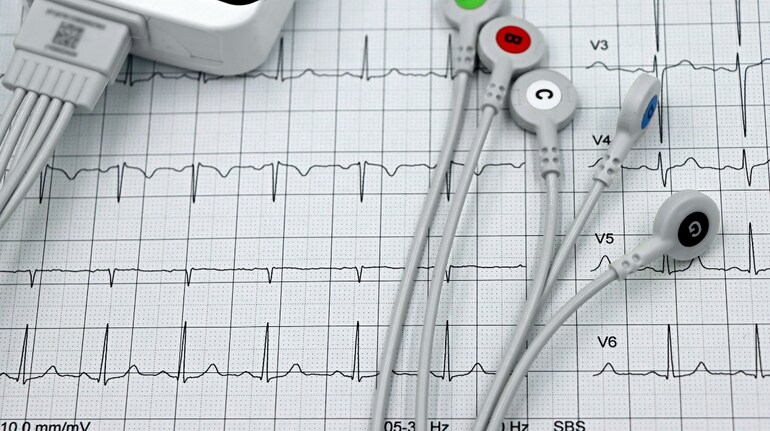
A heart attack, you always thought, is accompanied with acute agonizing pain in the chest and extreme shortness of breath. These are classic symptoms of heart attack. But did you know that every heart attack need not show these symptoms?
Such heart attacks, which show no typical symptoms, are called “silent” heart attacks, which can occur without significant chest pain. Instead, such episodes are equally dangerous, because they are mistaken for other ailments, and treatment is delayed.
One example of this phenomenon is called Silent Myocardial Ischemia, where the heart gets less oxygen-rich blood. There is no pain or other symptoms, but indicative investigative tools like ECG or echocardiogram can be markedly abnormal.
Also read | Silent heart attack: Watch out for hidden signs and symptoms that often go unnoticed
The rise in these so-called sudden cardiac events is a growing public health crisis. It highlights the urgent need to raise awareness, as well as improve screening and treatment — particularly in at-risk populations — to avert complications and death before it is too late, says Dr Sunil Wadhwa, Associate Director, Cardiology, Max Hospital, Gurugram.
5 factors to keep in mind
Heart attacks can happen when you are asleep or awake.
Also read | Heart attacks in young adults: Healthy lifestyle changes and preventive steps
According to Dr Wadhwa, 15-30 percent of patients with acute myocardial infarction have evidence of prior silent myocardial ischemia, and 30-40 percent of those with unstable angina had prior myocardial infarction. Around 20-50 percent of patients with stable angina have a previous history of myocardial infarction.
Silent heart attack
Symptoms of FLU
Also read | How to protect your heart: Atherosclerosis, the silent threat to your heart and blood vessels
Causes of silent heart attack
The basic cause of a silent heart attack remains the lipid rich plaque rupture in the coronary arteries and clot formation. However, other risk factors can include:
Patients with silent myocardial ischemia may have one of the following clinical presentations:
Diagnostic tests like electrocardiograms (ECGs), stress tests, and blood tests can help diagnose silent heart attacks. If you have risk factors for heart disease or experience any of the symptoms, it is important to consult a doctor for further evaluation.
Disclaimer: This article, including health and fitness advice, only provides generic information. Don’t treat it as a substitute for qualified medical opinion. Always consult a specialist for specific health diagnosis.
Discover the latest Business News, Sensex, and Nifty updates. Obtain Personal Finance insights, tax queries, and expert opinions on Moneycontrol or download the Moneycontrol App to stay updated!





Find the best of Al News in one place, specially curated for you every weekend.
Stay on top of the latest tech trends and biggest startup news.