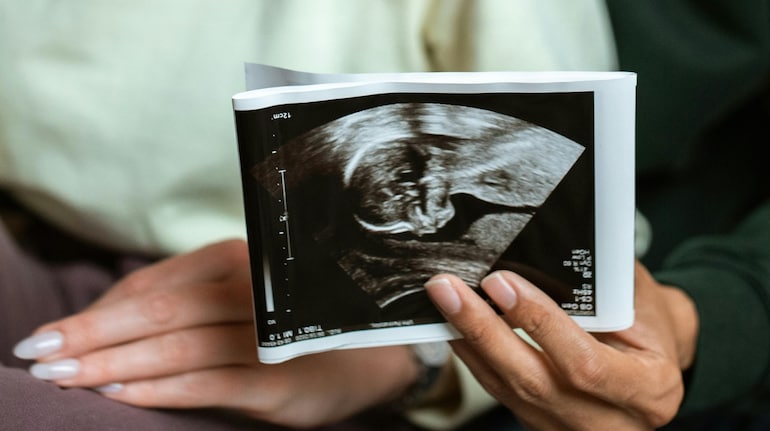

Pregnancy is a physiological journey, and when it involves twins, it becomes a closely monitored process. Twin pregnancy may place a greater physical stress on the mother than a singleton pregnancy. Adequate antenatal care and nutritional support, along with regular check ups, can result in healthy findings in mothers and babies.
Twin pregnancies occur when a female carries fetuses at the same time. When two different sperms fertilise with two different eggs, they result in dizygotic twins (non-identical twins). On the other hand, when a single ovum divides into two, monozygotic twins are born, which are almost identical to each other.
In the first trimester of pregnancy, early confirmation is necessary. Twins that share a placenta often carry a higher risk as compared to twins that have one placenta each, and have a relatively lower risk.
These are crucial for supporting twin pregnancies. Close monitoring for problems like anemia and gestational diabetes mellitus, along with gestational hypertension and preeclampsia is necessary, as early identification and treatment of these conditions can aid in preventing complications.
The caloric requirements are higher during a twin pregnancy. The need for protein and iron along with calcium and folic acid also increases when the mother is carrying two babies.
While appropriate weight must be gained during pregnancy by the mother, excessive gain can lead to increased risk maternal complications. However, inadequate weight may also contribute to fetal growth restriction.
In twin pregnancies, the pregnant female must undergo ultrasound examinations, which are essential to monitor fetal growth and amniotic fluid levels. They can also aid in assessing the function of placenta. In some cases, one twin grows slower than the other. Early detection of intrauterine growth restriction or twin-to-twin transfusion syndrome can improve the chances of survival of both babies.
Twin pregnancies often need adequate planning for delivery. Preterm birth can be a common occurrence in these cases. Depending on clinical factors, delivery may be vaginal or by cesarean section. A well-planned delivery can help in ensuring optimal maternal and neonatal safety.
Also read: Doctor says these 3 medicines can save a heart attack patient
Q. What is a twin pregnancy?
A twin pregnancy occurs when a woman is carrying two babies at the same time. Twins can be identical or fraternal.
Q. What is the difference between identical and fraternal twins?
Identical twins (monozygotic) develop from one fertilised egg that splits into two embryos. Fraternal twins (dizygotic) develop from two separate eggs fertilised by two different sperm.
Q. Are twin pregnancies considered high-risk?
Yes, twin pregnancies are generally considered higher risk than single pregnancies because of increased chances of preterm birth, gestational diabetes, high blood pressure, and low birth weight.
Q. What are the early signs of a twin pregnancy?
Possible signs include more severe morning sickness, rapid weight gain, higher-than-normal hCG levels, and feeling more fetal movement. However, an ultrasound is the only reliable way to confirm twins.
Q. What complications are more common in twin pregnancies?
Complications may include preterm labour, anaemia, preeclampsia, gestational diabetes, and in identical twins, twin-to-twin transfusion syndrome (TTTS).
Disclaimer: This article, including health and fitness advice, only provides generic information. Don’t treat it as a substitute for qualified medical opinion. Always consult a specialist for specific health diagnosis.
Discover the latest Business News, Sensex, and Nifty updates. Obtain Personal Finance insights, tax queries, and expert opinions on Moneycontrol or download the Moneycontrol App to stay updated!





Find the best of Al News in one place, specially curated for you every weekend.
Stay on top of the latest tech trends and biggest startup news.