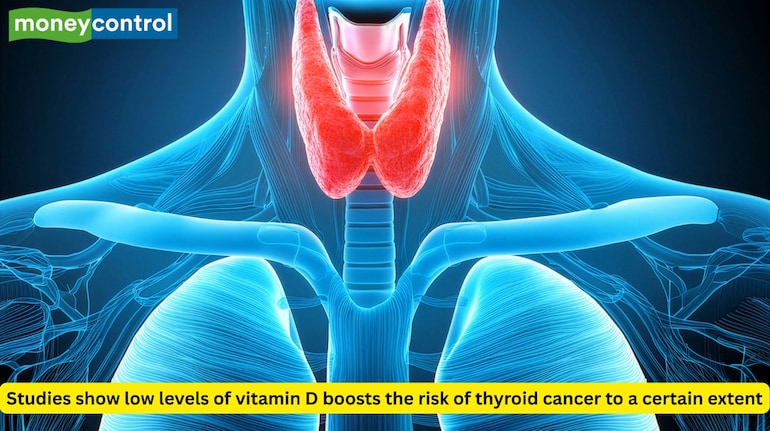

Around the world, more people are developing thyroid cancer — a condition often linked to heredity and exposure to radiation. Some research even suggests that vitamin D deficiency may be involved as well. A leading doctor explains rising interest in vitamin D and thyroid link.
The butterfly-shaped thyroid gland is in the front of the neck and plays an important role in regulating a variety of bodily functions, including metabolism, energy levels, and hormone balance. Thyroid disorders are widely encountered, but global incidence of thyroid malignancies--particularly papillary thyroid cancer (PTC)--has also risen substantially over several decades.
Although there are several well-known risk factors for thyroid cancer, including family history, radiation exposure and some genetic conditions, researchers have increasingly been examining how lifestyle and nutritional characteristics may potentially increase or reduce a woman’s chance of developing thyroid cancer.
According to Dr Yash Mathur, Sr Consultant Head & Neck Oncology, HCG Cancer Centre, Borivali, Vitamin D deficiency has recently attracted attention for its potential associations with some types of cancer. Now, scientists are exploring if low levels of vitamin D also contribute to the development or progression of thyroid cancer.
There have been references to vitamin D being a hormone rather than a vitamin. Once activated in the human body, vitamin D is responsible for controlling immune function, inflammation and cellular growth, says the doctor. The biological mechanisms of vitamin D are crucial in regulating abnormal cell growth.
Various research has been conducted regarding the effects of the levels of the vitamin D on carcinogenic risk. Some studies suggest that people who are prone to thyroid carcinoma showed low levels of vitamin D compared to people who were not with cancer. A meta-analysis of various research has shown that low levels of vitamin D enhances the risk of thyroid cancer to a certain extent.
However, it is uncertain whether the relationship of low levels of vitamin D and cancer exists or not because several other studies showed no significant difference between levels of vitamin D in patients with benign nodules in the thyroid region and patients with cancer.
Nevertheless, it is thought that there are a number of influences on what the levels of vitamin D are. A few of these influences are the amount of sunshine, diet, obesity, age, and region. Furthermore, it is also suggested that vitamin D deficiency is a very prevalent health problem across the world and therefore it is difficult to draw any conclusive associations between deficiency of vitamin D and development of cancer.
Also read: Doctor says these 3 medicines can save a heart attack patient
It is also believed that even with all these issues and debates among the vitamin D studies, it is still essential to keep the levels of vitamin D sufficiently high and not to be deficient in it. The doctor says that the deficiency of vitamin D has also been reported to cause a variety of other health diseases apart from bone diseases. The usage of vitamin D was also studied in the field of oncology with respect to cancer development and effect on cancer regression.
It is recommended that individuals who are worried about their thyroid health follow a healthy holistic approach including health checks, monitoring their thyroid function, eating a balanced diet and adequate exposure to sunlight. Some sources of foods to be taken to boost vitamin D levels include fatty fish, egg yolks, dairy produce and mushrooms.
The levels of vitamin D are being investigated in relation to thyroid disease and are thought to be one of the possible factors that contribute to the risk of thyroid cancer, however it is not proven conclusively that vitamin D levels cause thyroid cancer. It is recommended that individuals should consider their vitamin D levels in a holistic manner and not just in relation to thyroid cancer.
Q. What is vitamin D and why is it important for the body?
Vitamin D is a fat-soluble vitamin that helps the body absorb calcium and phosphorus. It plays a key role in maintaining strong bones, supporting the immune system, and promoting muscle and nerve function.
Q. What are low levels of vitamin D?
Low vitamin D levels occur when the body does not have enough of this nutrient in the blood. This condition can affect bone health and may increase the risk of certain health issues over time.
Q. What are common symptoms of vitamin D deficiency?
Common signs may include fatigue, bone pain, muscle weakness, frequent illness, mood changes, and slow wound healing. However, some people may not notice symptoms initially.
Q. What causes low vitamin D levels?
Low levels can occur due to limited sun exposure, poor dietary intake, darker skin tone, ageing, certain medical conditions, or problems with nutrient absorption.
Q. Who is at higher risk of vitamin D deficiency?
People who spend little time in sunlight, older adults, individuals with darker skin, those who follow strict indoor lifestyles, and people with digestive disorders may be at greater risk.
Disclaimer: This article, including health and fitness advice, only provides generic information. Don’t treat it as a substitute for qualified medical opinion. Always consult a specialist for specific health diagnosis.
Discover the latest Business News, Sensex, and Nifty updates. Obtain Personal Finance insights, tax queries, and expert opinions on Moneycontrol or download the Moneycontrol App to stay updated!
Find the best of Al News in one place, specially curated for you every weekend.
Stay on top of the latest tech trends and biggest startup news.