- My Alerts
- Go Ad-Free
-
My Account











Breech Presentation in Pregnancy: What it means and how it's managed
From causes and types to delivery options, here’s what expectant mothers need to know when their baby is in a breech position




1/10

Normal Fetal Position vs Breech Presentation
Normally, the baby is in an upside down position in the mother’s womb, hence the head is towards the maternal pelvis. In a breech presentation, the baby’s buttocks are towards the mother’s pelvis instead of the head. In most cases, the baby spontaneously turns and comes to the normal position by the 34th week of pregnancy.
Normally, the baby is in an upside down position in the mother’s womb, hence the head is towards the maternal pelvis. In a breech presentation, the baby’s buttocks are towards the mother’s pelvis instead of the head. In most cases, the baby spontaneously turns and comes to the normal position by the 34th week of pregnancy.
2/10
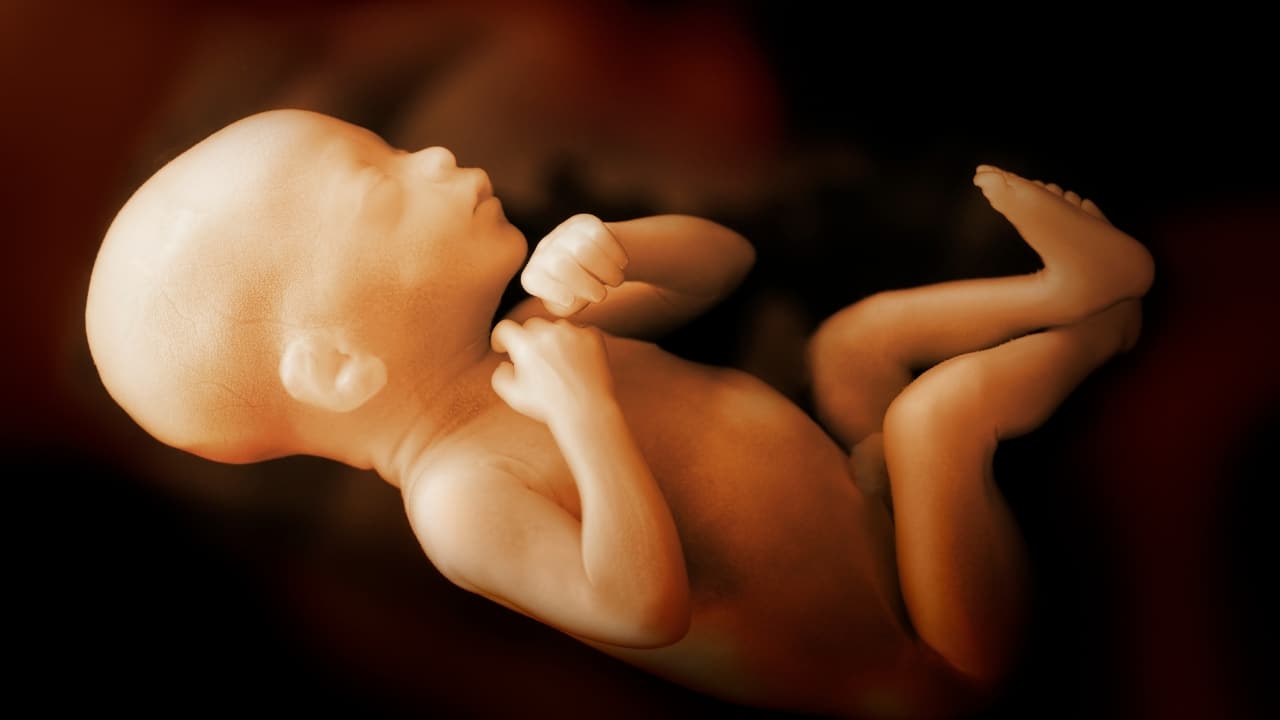
Types of Breech: Complete and Incomplete Variants
The baby may either be in a complete breech presentation, where its arms and legs are completely flexed, or it may be in an incomplete breech with varying degrees of extension of the thighs or the legs. In women who are pregnant for the first time, frank breech (arms flexed legs extended) is common due to good uterine tone.
The baby may either be in a complete breech presentation, where its arms and legs are completely flexed, or it may be in an incomplete breech with varying degrees of extension of the thighs or the legs. In women who are pregnant for the first time, frank breech (arms flexed legs extended) is common due to good uterine tone.
3/10

Early Pregnancy and Fetal Mobility in Breech
Breech presentation is common in the earlier weeks of pregnancy. Since the baby in the womb is small and the volume of the fluid surrounding it is large, the baby can freely move about and change positions. The baby may be in a knee presentation or a footling presentation. Obstetric examination and ultrasound may be able to confirm the exact position.
Breech presentation is common in the earlier weeks of pregnancy. Since the baby in the womb is small and the volume of the fluid surrounding it is large, the baby can freely move about and change positions. The baby may be in a knee presentation or a footling presentation. Obstetric examination and ultrasound may be able to confirm the exact position.
4/10
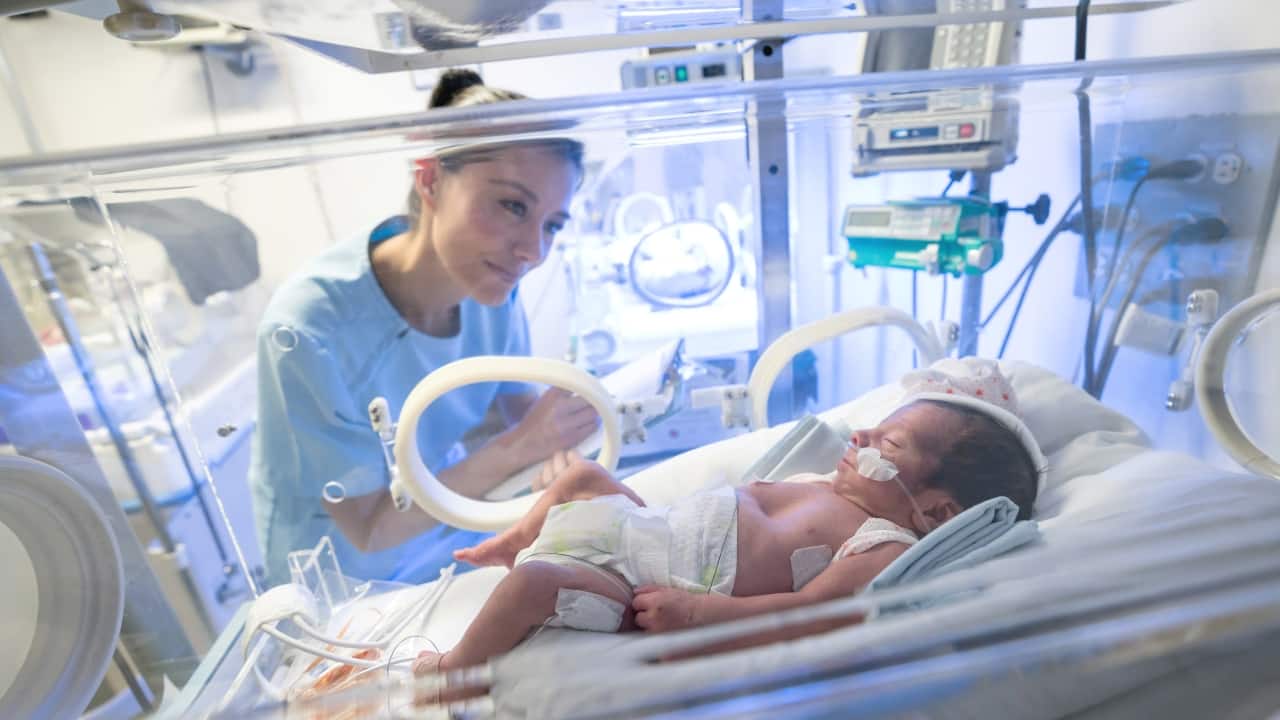
Prematurity as the Leading Cause of Breech
Prematurity is the most common cause of breech presentation. A baby is said to be premature when it is born before the completion of 37 weeks. A prematurely born baby will require more attention and care, and can even need neonatal intensive care. It is important to look for and rule out complications in a premature baby in breech presentation
Prematurity is the most common cause of breech presentation. A baby is said to be premature when it is born before the completion of 37 weeks. A prematurely born baby will require more attention and care, and can even need neonatal intensive care. It is important to look for and rule out complications in a premature baby in breech presentation
5/10
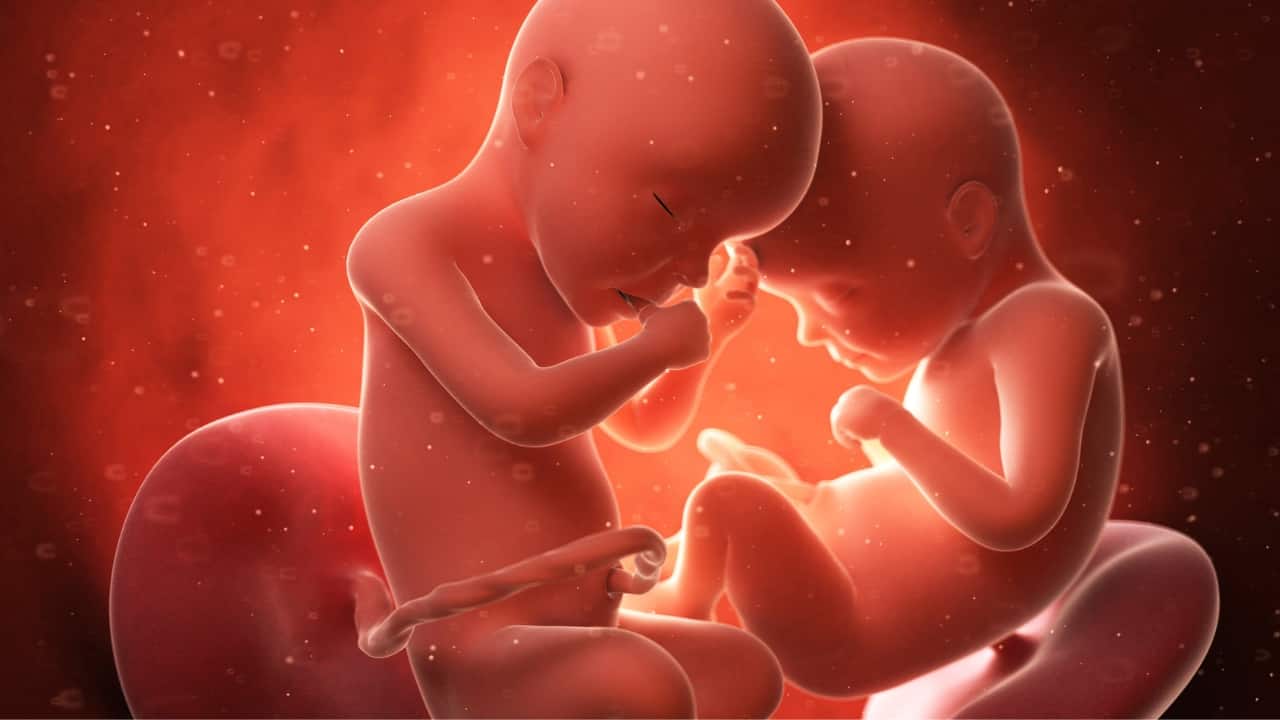
Breech in Twin Pregnancies and Amniotic Fluid Reduction
In case of twins, one or both of the babies may be in the breech presentation. It occurs because of the inability of the babies to spontaneously change their position as the amount of space in the womb becomes limited. A reduced amount of amniotic fluid can also lead tonbreech because of similar reasons.
In case of twins, one or both of the babies may be in the breech presentation. It occurs because of the inability of the babies to spontaneously change their position as the amount of space in the womb becomes limited. A reduced amount of amniotic fluid can also lead tonbreech because of similar reasons.
6/10

Role of Hydrocephalus in Predisposing to Breech
Some babies may develop hydrocephalus, a condition in this the intracranial pressure of the foetus is elevated, causing an increase in the size of the head. Since a big head can be easily accommodated in the fundus (the upper part of the uterus) the baby favours the breech presentation for ease.
Some babies may develop hydrocephalus, a condition in this the intracranial pressure of the foetus is elevated, causing an increase in the size of the head. Since a big head can be easily accommodated in the fundus (the upper part of the uterus) the baby favours the breech presentation for ease.
7/10
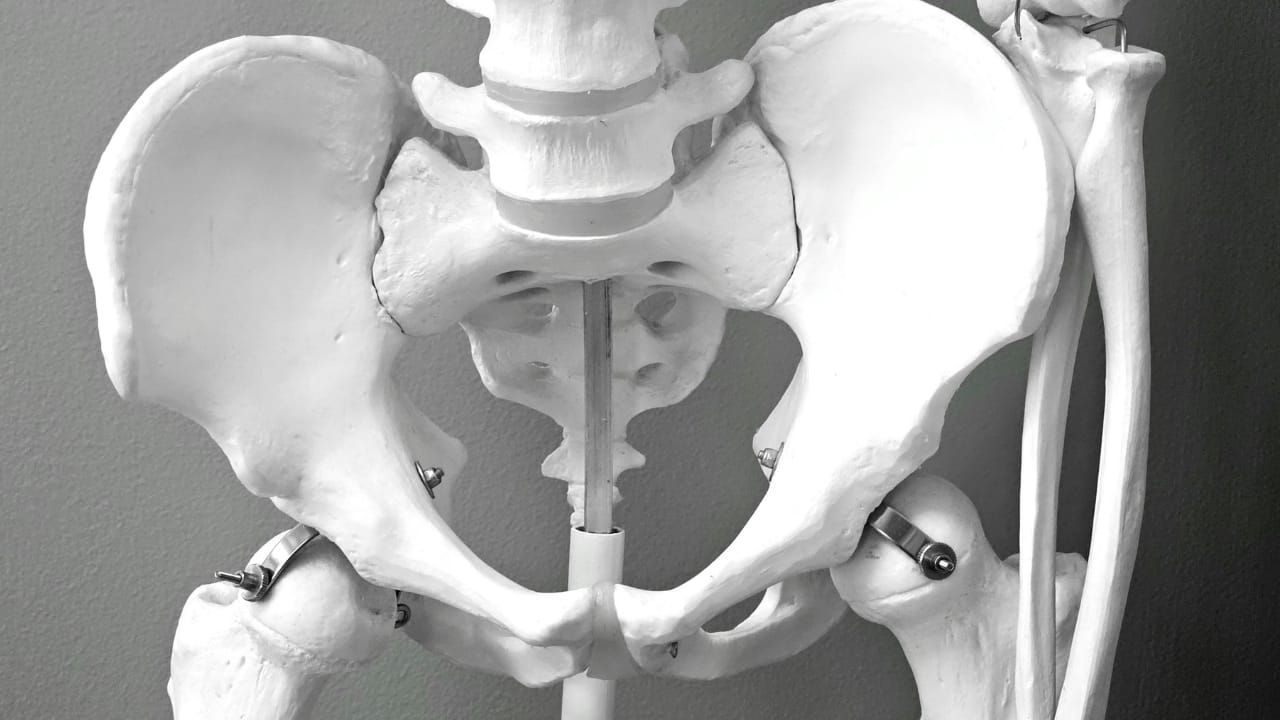
Impact of Maternal Pelvic Size on Fetal Position
A smaller or a contracted pelvis may not be able to fit the head of the baby. While the head is normal sized in this scenario, the pelvis is not large enough for the passage, hence the foetus turns and brings its buttocks towards the pelvis and the head near the fundus.
A smaller or a contracted pelvis may not be able to fit the head of the baby. While the head is normal sized in this scenario, the pelvis is not large enough for the passage, hence the foetus turns and brings its buttocks towards the pelvis and the head near the fundus.
8/10

Genetic Disorders and Their Contribution
In congenital or genetic conditions like trisomy 13 (Patau Syndrome) or trisomy 21 (Down’s Syndrome), the fetal muscular tone is altered, which can be contributing factor for a breech presentation. Alongside, the baby’s mobility may also be affected which can keep the baby's buttocks towards the pelvis.
In congenital or genetic conditions like trisomy 13 (Patau Syndrome) or trisomy 21 (Down’s Syndrome), the fetal muscular tone is altered, which can be contributing factor for a breech presentation. Alongside, the baby’s mobility may also be affected which can keep the baby's buttocks towards the pelvis.
9/10
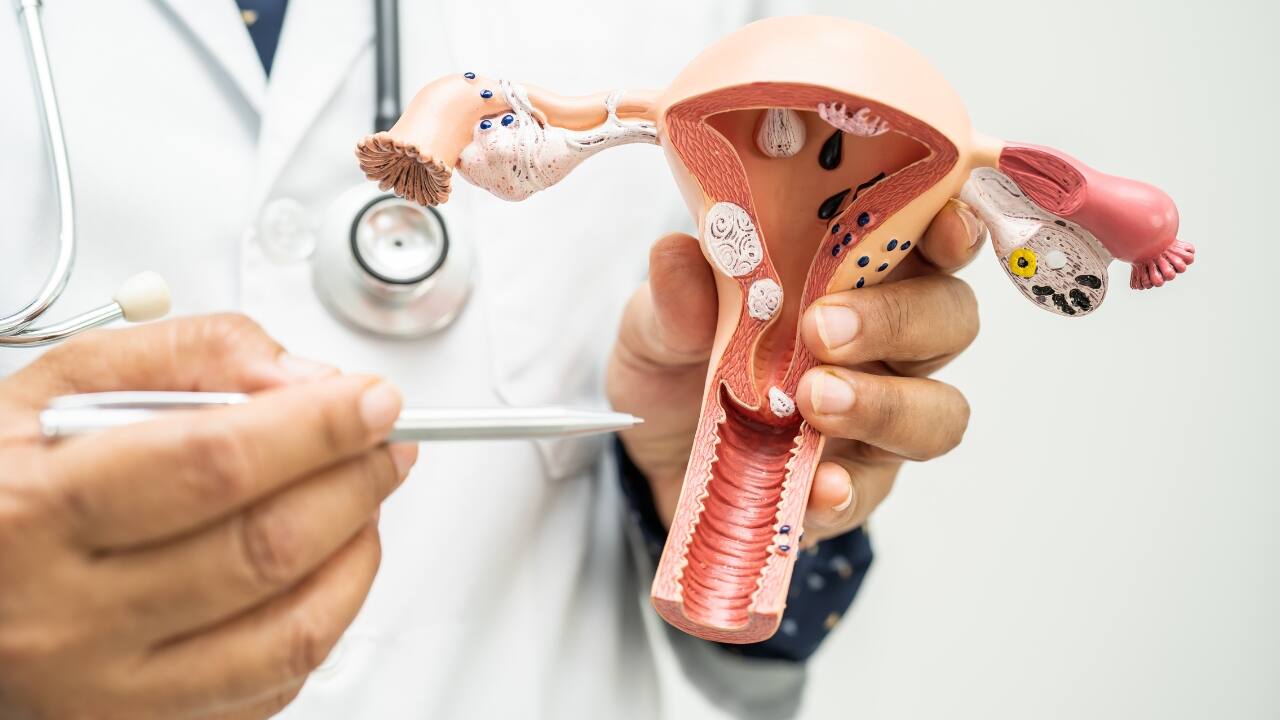
Recurrent Breech and Uterine Malformations
If a woman has had breech presentations in consequent pregnancies three or more times, it is termed as habitual or recurrent breech. Common causes for recurrent breech include congenital malformations of the mothers' uterus like a septal or a bicornuate uterus.
If a woman has had breech presentations in consequent pregnancies three or more times, it is termed as habitual or recurrent breech. Common causes for recurrent breech include congenital malformations of the mothers' uterus like a septal or a bicornuate uterus.
10/10

Diagnosis and Delivery Options in Breech Presentation
An ultrasonography is highly informative in finding the position of the baby. While vaginal delivery can be tried for a breech presentation under supervision and continuous monitoring, lower segment caesarean section is also an option. It is important to consult the obstetrician to rule out complications like birth asphyxia or birth injuries.
Disclaimer: This article, including health and fitness advice, only provides generic information. Don’t treat it as a substitute for qualified medical opinion. Always consult a specialist for specific health diagnosis
An ultrasonography is highly informative in finding the position of the baby. While vaginal delivery can be tried for a breech presentation under supervision and continuous monitoring, lower segment caesarean section is also an option. It is important to consult the obstetrician to rule out complications like birth asphyxia or birth injuries.
Disclaimer: This article, including health and fitness advice, only provides generic information. Don’t treat it as a substitute for qualified medical opinion. Always consult a specialist for specific health diagnosis
Discover the latest Business News, Budget 2025 News, Sensex, and Nifty updates. Obtain Personal Finance insights, tax queries, and expert opinions on Moneycontrol or download the Moneycontrol App to stay updated!



