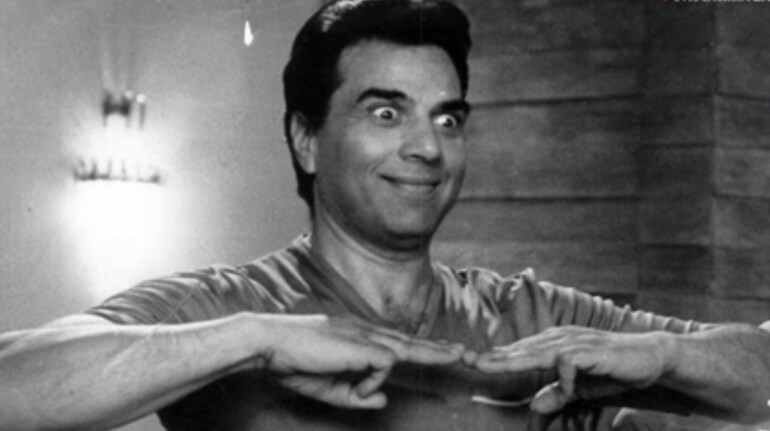
For over six decades, Dharmendra has been celebrated as Indian cinema’s original He-Man. In an era where masculinity was often defined by rigid stereotypes, Dharmendra brought a refreshing blend of strength, sensitivity, humour, and grace.
In a way he created a new template for the Hindi film hero. While we will miss his cake-cutting ritual on this special day, let us revisit how Dharam Paaji redefined what it meant to be a leading man in Bollywood.
A new kind of hero in the 1960s
When Dharmendra arrived in the early 1960s, Hindi cinema was ruled by romantic poets, tragedy icons, and suave urban gentlemen. His persona stood out instantly.
He was broad-shouldered, athletic, handsome, yet inherently warm. He didn’t rely on exaggerated swagger or aggression. Instead, his masculinity flowed naturally, blending power with emotional sincerity.
The Phool Aur Patthar breakthrough
Dharmendra’s career-defining role in Phool Aur Patthar (1966) showcased the duality that became his trademark. As Shaka, the hardened criminal who transforms through love, he embodied intensity and tenderness in equal measure.
The rise of the masala action hero
Entering the 1970s, Dharmendra emerged as the blueprint for what would later be known as the “masala” hero. But even at the peak of action-driven cinema, he never abandoned emotional depth. In Yaadon Ki Baaraat (1973), he played a stylish, charismatic vigilante who was also deeply vulnerable.
Veeru in Sholay
Sholay (1975) immortalised Dharmendra as Veeru — funny, flirty, brave, and irresistibly charming. His iconic water tank scene displayed comedic brilliance, while his action sequences radiated heroic authority. Veeru wasn’t a one-note “tough guy.”
He was a man of heart, humour, and honesty. This layered masculinity set him apart from later action stars who leaned heavily into aggression.
A true all-rounder
What made Dharmendra exceptional was his astonishing range. From the high-voltage spectacle of Dharam Veer to the sparkling romance of Dream Girl and the timeless humour of Chupke Chupke, he switched genres with ease. He refused to let masculinity restrict him.
Unfiltered warmth
Dharmendra’s off-screen persona added another layer to his influence. He was emotionally candid, whether on talk shows or in heartfelt social media messages. His tears, laughter, affection, and honesty created an image of a man who didn’t hide behind bravado.
A legacy that continues to inspire generations
Today, traces of Dharmendra’s persona can be found in stars like Salman Khan, Sunny Deol, Hrithik Roshan, and Ranveer Singh — actors who balance physicality with charm, intensity with empathy. Yet none have captured the effortless blend of heroism and humanity that Dharmendra embodied so naturally.
Also Read: Dharmendra death reason: How the Bollywood icon spent his final days
The eternal He-Man
Dharmendra’s masculinity wasn’t defined by dominance or aggression, but by compassion, humour, vulnerability, and unwavering strength of character. That is why he remains Bollywood’s eternal He-Man.
Discover the latest Business News, Sensex, and Nifty updates. Obtain Personal Finance insights, tax queries, and expert opinions on Moneycontrol or download the Moneycontrol App to stay updated!
Find the best of Al News in one place, specially curated for you every weekend.
Stay on top of the latest tech trends and biggest startup news.