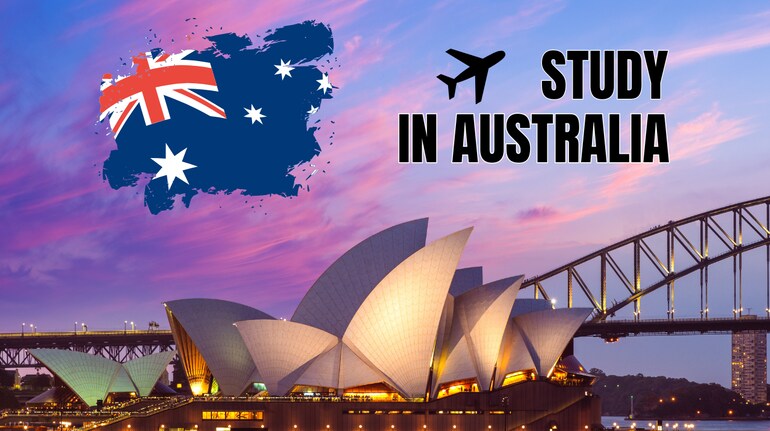
Australia has announced an increase in its international student intake cap to 295,000 for 2026, up from 270,000 in 2025. The decision, aimed at ensuring long-term stability and sustainability, reaffirms Australia's position as an open, reliable, and student-first country—even as others tighten their immigration and visa policies.
A Strategic Move Amid Global Shifts
Australia’s expansion comes at a time when other major education hubs are recalibrating. The UK has recorded a 10% drop in student visas, Canada has introduced a national cap, and the US reported a 12% decline in international student visas earlier this year. Against this backdrop, Australia’s stance signals clarity and confidence in its ability to not just welcome students, but to integrate them meaningfully.
“At a time when global mobility is marked by uncertainty, Australia’s move is both reassuring and forward-looking,” said Mayank Maheshwari, Co-Founder & COO of University Living, a leading global student housing platform. “This is not just about raising numbers; it’s about aligning student intake with infrastructure, skills demand, and long-term support systems.”
Demand Backed by Capacity
According to the University Living ANZ Report 2025, undergraduate tuition fees in Australia range from AUD 20,000 to 40,000 per year, while postgraduate courses fall between AUD 22,000 and 50,000. Specialised programs such as medicine or MBA can cost up to AUD 100,000 annually.
In terms of living expenses, international students typically spend AUD 1,400 to 2,200 per month, excluding AUD 3,000–5,000 annually for travel, insurance, and academic materials.
This rising demand has spurred growth in Australia’s student housing market, now valued at AUD 10 billion, which continues to expand to support incoming students across major education hubs like Sydney, Melbourne, Brisbane, and Perth.
A $51.5 Billion Contribution—and Growing
International education remains a critical pillar of the Australian economy, contributing AUD 51.5 billion annually and playing a vital role in addressing skill shortages across industries. By linking student growth with infrastructure and employment opportunities, Australia is crafting a model of sustainable international education.
“What makes Australia’s model compelling is its holistic view—education, accommodation, employability, and post-study support are all part of the conversation,” Maheshwari added. “It sends a powerful message to students and families: Australia is not just a destination for degrees, but a partner in success.”
Looking Ahead
With the increase in student caps, Australia is not simply opening its doors wider—it’s future-proofing its education ecosystem. The message is clear: students are not just welcome—they are valued.
As global students reconsider their options amidst visa restrictions and policy shifts elsewhere, Australia is emerging as a beacon of stability, opportunity, and long-term value in international education.

Discover the latest Business News, Sensex, and Nifty updates. Obtain Personal Finance insights, tax queries, and expert opinions on Moneycontrol or download the Moneycontrol App to stay updated!





Find the best of Al News in one place, specially curated for you every weekend.
Stay on top of the latest tech trends and biggest startup news.