- My Alerts
- Go Ad-Free
-
My Account












9 Study Hacks Every Student Should Try at Least Once
Here are 9 simple study hacks every student should try. These tips focus on better memory, focus, and daily study habits to help improve learning naturally.




1/9

Teach What You Learn
One of the best ways to remember something is to explain it to someone else. When you teach a topic, you have to understand it fully yourself. This helps you spot what you do not know yet. You can try teaching a classmate, a friend, or even speak out loud as if you are explaining it to someone. It works for both theory subjects and problem solving ones.
One of the best ways to remember something is to explain it to someone else. When you teach a topic, you have to understand it fully yourself. This helps you spot what you do not know yet. You can try teaching a classmate, a friend, or even speak out loud as if you are explaining it to someone. It works for both theory subjects and problem solving ones.
2/9

Study in Short Sessions
Instead of studying for long hours without breaks, try studying in shorter sessions of around 25–30 minutes with a 5-minute break in between. This method helps your brain stay fresh and focused. It also prevents tiredness and improves memory. After four short sessions, take a longer break. This makes study time more effective and manageable.
Instead of studying for long hours without breaks, try studying in shorter sessions of around 25–30 minutes with a 5-minute break in between. This method helps your brain stay fresh and focused. It also prevents tiredness and improves memory. After four short sessions, take a longer break. This makes study time more effective and manageable.
3/9

Use Active Recall
Rather than just reading notes again and again, try to test yourself on what you remember. Close your book and write down or speak out whatever you remember. This method is called active recall. It helps your brain hold on to information for longer. You can also use flashcards or ask a friend to quiz you.
Rather than just reading notes again and again, try to test yourself on what you remember. Close your book and write down or speak out whatever you remember. This method is called active recall. It helps your brain hold on to information for longer. You can also use flashcards or ask a friend to quiz you.
4/9

Create a Study Routine
Having a regular time and place for study trains your brain to focus better. Try to plan your day with fixed times for studying different subjects. Stick to the routine as closely as possible. It makes studying feel like a habit, not a burden. You will also find it easier to avoid distractions if your routine becomes consistent.
Having a regular time and place for study trains your brain to focus better. Try to plan your day with fixed times for studying different subjects. Stick to the routine as closely as possible. It makes studying feel like a habit, not a burden. You will also find it easier to avoid distractions if your routine becomes consistent.
5/9

Study with Visuals
Pictures, charts, diagrams, and mind maps can make studying easier. They help you understand and remember things quickly. You can create your own diagrams from notes or use online tools to make mind maps. Using colours and arrows also helps link ideas clearly. Visual learning is useful for subjects like science, history, and geography.
Pictures, charts, diagrams, and mind maps can make studying easier. They help you understand and remember things quickly. You can create your own diagrams from notes or use online tools to make mind maps. Using colours and arrows also helps link ideas clearly. Visual learning is useful for subjects like science, history, and geography.
6/9

Avoid Multitasking
Doing more than one thing at a time, like studying while watching television or checking your phone, reduces your focus. Your brain can only concentrate well on one task at a time. To study properly, find a quiet place, keep your phone away, and give your full attention to what you are reading or solving.
Doing more than one thing at a time, like studying while watching television or checking your phone, reduces your focus. Your brain can only concentrate well on one task at a time. To study properly, find a quiet place, keep your phone away, and give your full attention to what you are reading or solving.
7/9
Review Regularly
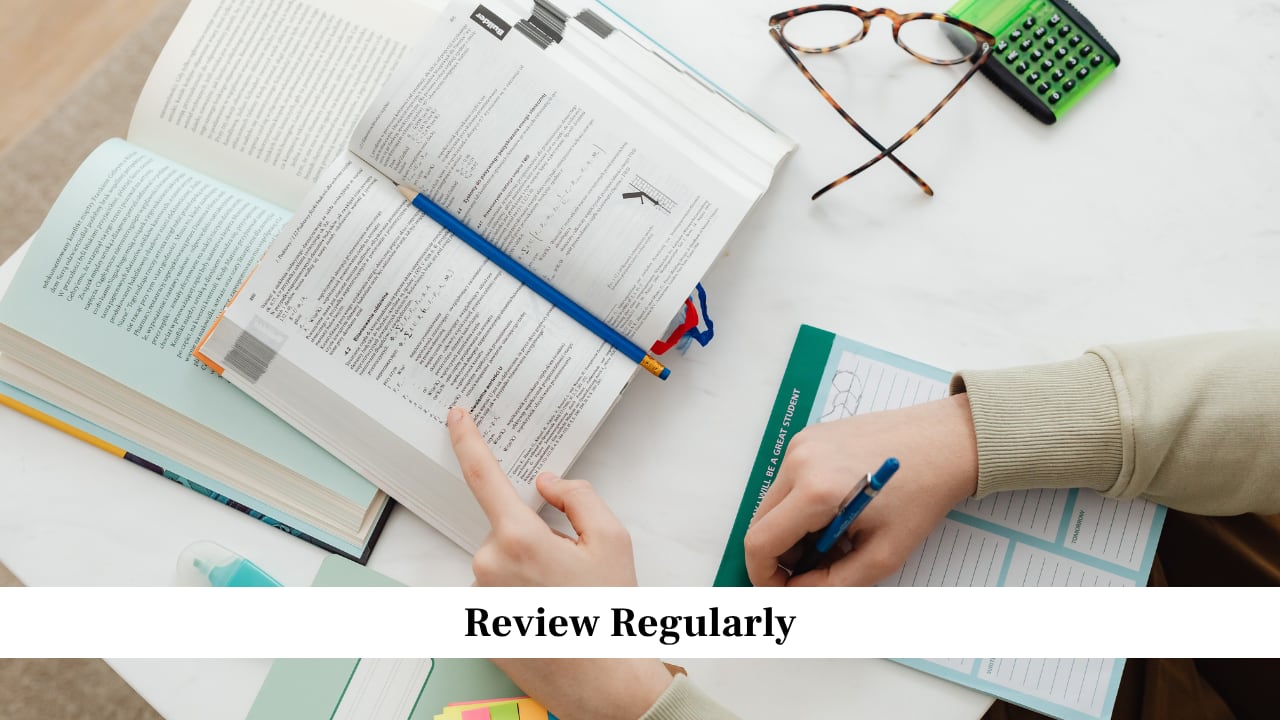
Instead of reading everything just before exams, review your lessons every few days. Regular revision helps store information in your long term memory. Try reading notes after class or doing a quick weekly recap. You can also write summaries of each topic to make future revision easier. This reduces exam stress later on.
Instead of reading everything just before exams, review your lessons every few days. Regular revision helps store information in your long term memory. Try reading notes after class or doing a quick weekly recap. You can also write summaries of each topic to make future revision easier. This reduces exam stress later on.
8/9
Use Practice Papers
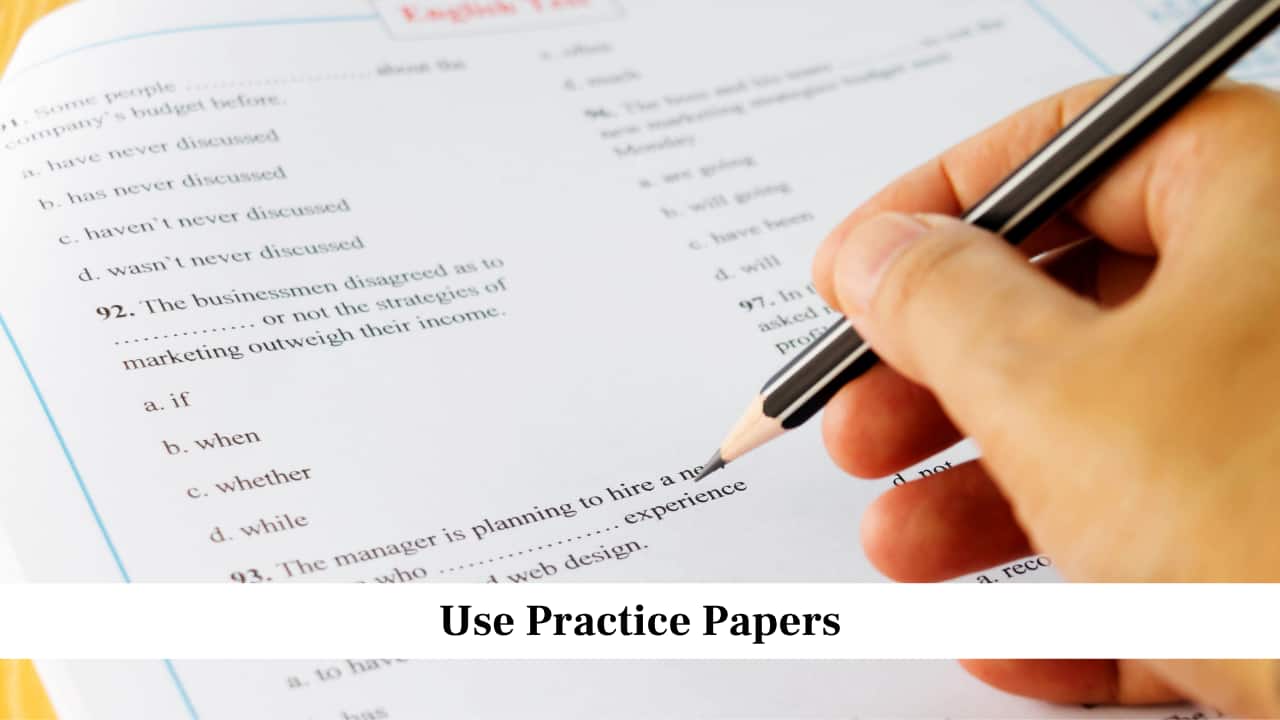
Solving sample papers or past year questions gives you a clear idea of what to expect in exams. It also shows you which areas you are weak in. Time yourself while doing these papers to build exam speed. You will get better at writing answers and managing time if you make this a habit.
Solving sample papers or past year questions gives you a clear idea of what to expect in exams. It also shows you which areas you are weak in. Time yourself while doing these papers to build exam speed. You will get better at writing answers and managing time if you make this a habit.
9/9

Sleep Well and Stay Active
Good sleep is important for your brain to function properly. Try to get at least seven to eight hours of sleep daily. Also, do some light exercise or go for a short walk every day. A healthy body supports a fresh mind. Avoid studying late into the night before exams as it may make you tired the next day.
Good sleep is important for your brain to function properly. Try to get at least seven to eight hours of sleep daily. Also, do some light exercise or go for a short walk every day. A healthy body supports a fresh mind. Avoid studying late into the night before exams as it may make you tired the next day.
Discover the latest Business News, Budget 2025 News, Sensex, and Nifty updates. Obtain Personal Finance insights, tax queries, and expert opinions on Moneycontrol or download the Moneycontrol App to stay updated!



