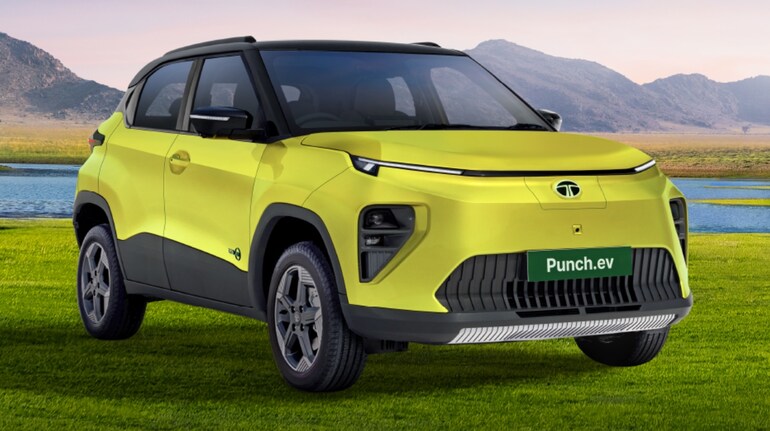

A sharp spike in global energy prices triggered by the Iran war is beginning to tilt Indian car buyers towards electric vehicles (EVs), as concerns mount over a potential increase in petrol and CNG prices.
Automakers and dealers have reported a noticeable uptick in EV inquiries over the past two weeks, coinciding with a 22 percent surge in crude oil prices and a 7–10 percent rise in natural gas prices globally.
The shift in consumer interest comes even as India has, so far, held back from raising retail fuel prices, limiting increases to premium petrol and industrial diesel.
On March 23 morning, the benchmark Brent crude rose to $112 a barrel, rising around 60 percent since the start on the war on February 28.
The International Energy Agency (IEA) has warned of the worst energy crisis since the 1970s, as oil and gas disruption intensifies Fatih Birol, head of the International Energy Agency.
"This crisis… is now two oil crises and one gas crisis put all together," , IEA chief Fatih Birol has been reported as saying.
Global fuel hikes contrast India’s price freeze
Across major automotive markets, including the United States, Japan, China, the United Kingdom, Germany, Italy, France and Australia—gasoline prices have already been raised since early March, reflecting the sharp escalation in input costs.
India, however, has maintained a price freeze on regular petrol and CNG, a move that industry observers say may not be sustainable if crude remains elevated.
“There has been a clear increase in EV inquiries over the past week,” a spokesperson for Tata Motors Passenger Vehicles said, adding dealer partners across markets have reported higher footfalls and customer interest.
The company attributed the trend to a mix of factors including lower running costs, convenience of home charging and rising awareness around energy security and sustainability.
The momentum is also visible in retail data. In less than three weeks of March, electric passenger vehicle registrations stood at 10,370 units, nearly 85 percent of March 2025’s total of 12,356 units, putting the segment on track to comfortably surpass last year’s numbers.
Fuel hike worries fuel EV interest
With petrol prices hovering around Rs 100 per litre since 2024 and CNG rates largely unchanged, consumers have grown accustomed to stable fuel costs. However, the prospect of a hike is now influencing buying decisions.
“Every news flow around a potential fuel price increase impacts consumer psychology and nudges buyers towards cheaper alternatives like EVs,” a Mumbai-based automotive consultant said on condition of anonymity.
Despite EVs being 70–75 percent more expensive upfront than comparable petrol models, their running costs are up to 80 percent lower, making them increasingly attractive amid volatile fuel markets. Attractive financing schemes are further improving affordability.
“There is no certainty over how long the current disruption will last. Crude prices could remain elevated in the medium to long term, which strengthens the case for EVs,” said a Chennai-based EV dealer.
Automakers are also stepping up incentives to accelerate adoption. VinFast, a new entrant in India, has launched a limited-period “Trade Gas for Electric” programme offering additional discounts and exchange bonuses of up to Rs 2.14 lakh on its VF7 model, along with buyback assurances and free charging.
BYD said demand is also benefiting from year-end depreciation advantages ahead of the close of FY26, as well as seasonal buying during the ongoing festive period.

Discover the latest Business News, Sensex, and Nifty updates. Obtain Personal Finance insights, tax queries, and expert opinions on Moneycontrol or download the Moneycontrol App to stay updated!





Find the best of Al News in one place, specially curated for you every weekend.
Stay on top of the latest tech trends and biggest startup news.