SCIENCE
Aliens found humans too boring, so they quit contacting us, claims scientist
A new theory from a scientist working with NASA, raises a surprising question about extraterrestrial life and why they might have stopped reaching out to humanity altogether.
SCIENCE
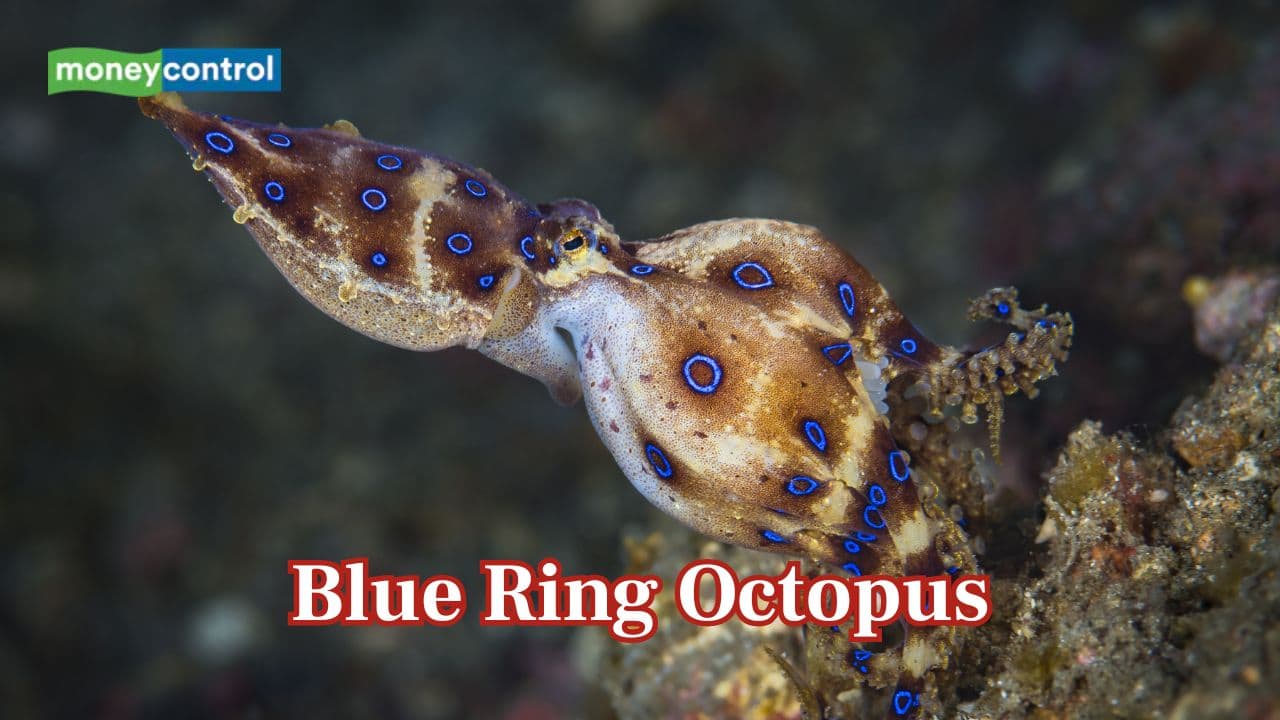
World’s most venomous blue-ringed octopus turns yellow to warn, one bite can kill humans
Normally, the blue-ringed octopus is brown or cream in colour, blending easily with rocks and sand. But when disturbed, it flashes vivid blue rings across its body while its skin turns bright yellow.

SCIENCE
Joey, the world’s oldest canary, died at 34 after spending its entire life in a cage
A remarkable pet from Hull quietly made history, living an unusually long life that left experts amazed and pet lovers wondering about the secret behind its longevity.

SCIENCE
DNA Reveals Hippos Survived Europe’s Glacial Ice Age Against Expectations
Researchers had long assumed that central European hippos went extinct at the onset of the Weichselian glaciation.

SCIENCE
‘Grass Peacock’ of India, known for swayamvar dance, on brink of extinction, warns WII
Known locally as the “grass peacock”, the Lesser Florican (Sypheotides indicus) is famed for its leaping courtship display during the monsoon.
SCIENCE
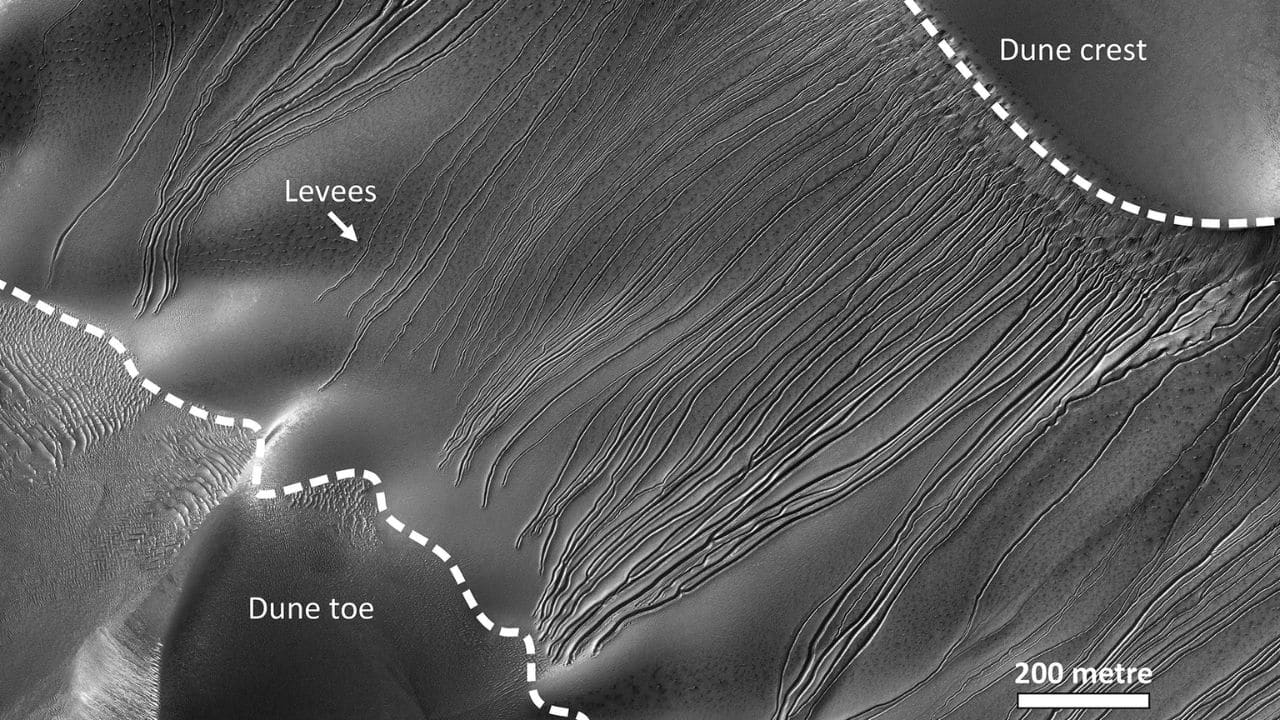
Mars’ mysterious dune gullies may be the work of exploding ice blocks, say scientists
For years, scientists believed carbon dioxide ice might play a role in shaping Mars’ surface. However, no one had ever observed this process in action.

SCIENCE
Haunting image of rare hyena in ghost town wins 2025 Wildlife Photographer of the Year, here's its story
The 2025 Wildlife Photographer of the Year contest received a record-breaking 60,636 entries from 113 countries. Each entry offered a glimpse into the fragile beauty of wildlife and the growing threats it faces.
SCIENCE
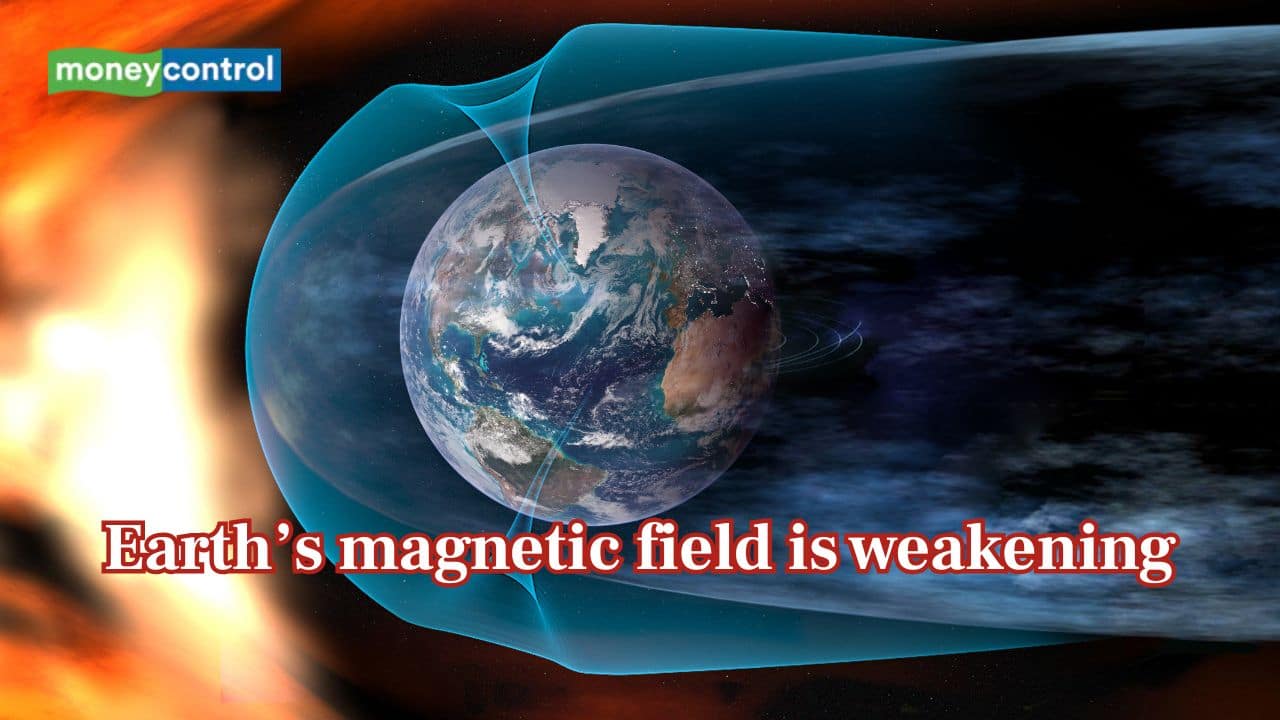
Giant weak spot in Earth’s magnetic field discovered, continues expanding, say scientists
Scientists made these observations using data from the European Space Agency’s Swarm mission, which relies on three identical satellites to measure magnetic signals from Earth’s interior and oceans.

SCIENCE
MIT scientists discover 4.5-billion-year-old traces of ‘proto-earth’ before the moon-forming collision
For years, scientists believed the “giant impact” that formed the Moon melted and reshaped the entire young Earth, erasing its original composition. The new MIT findings challenge that view.
SCIENCE
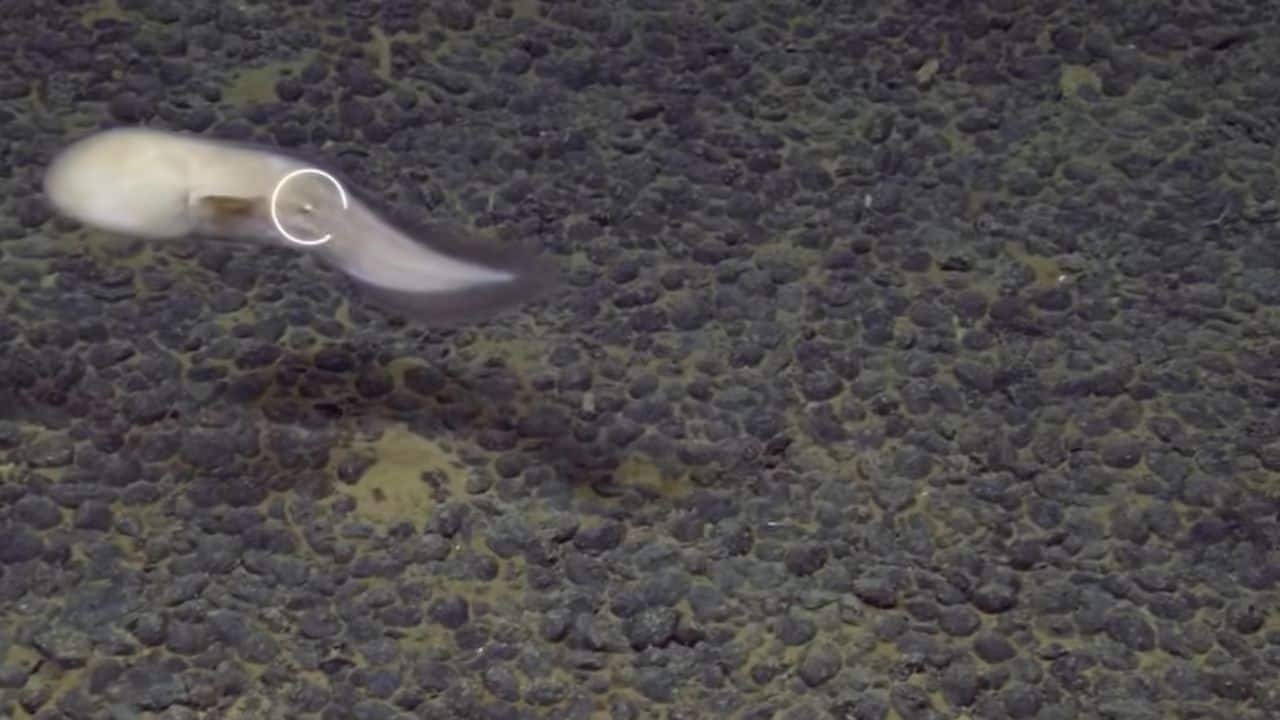
Mysterious deep-sea faceless fish found in South Pacific leaves scientists astonished
The most striking trait of this fish is the absence of visible eyes. Living in total darkness, the faceless cusk eel has evolved to survive without sight.
SCIENCE
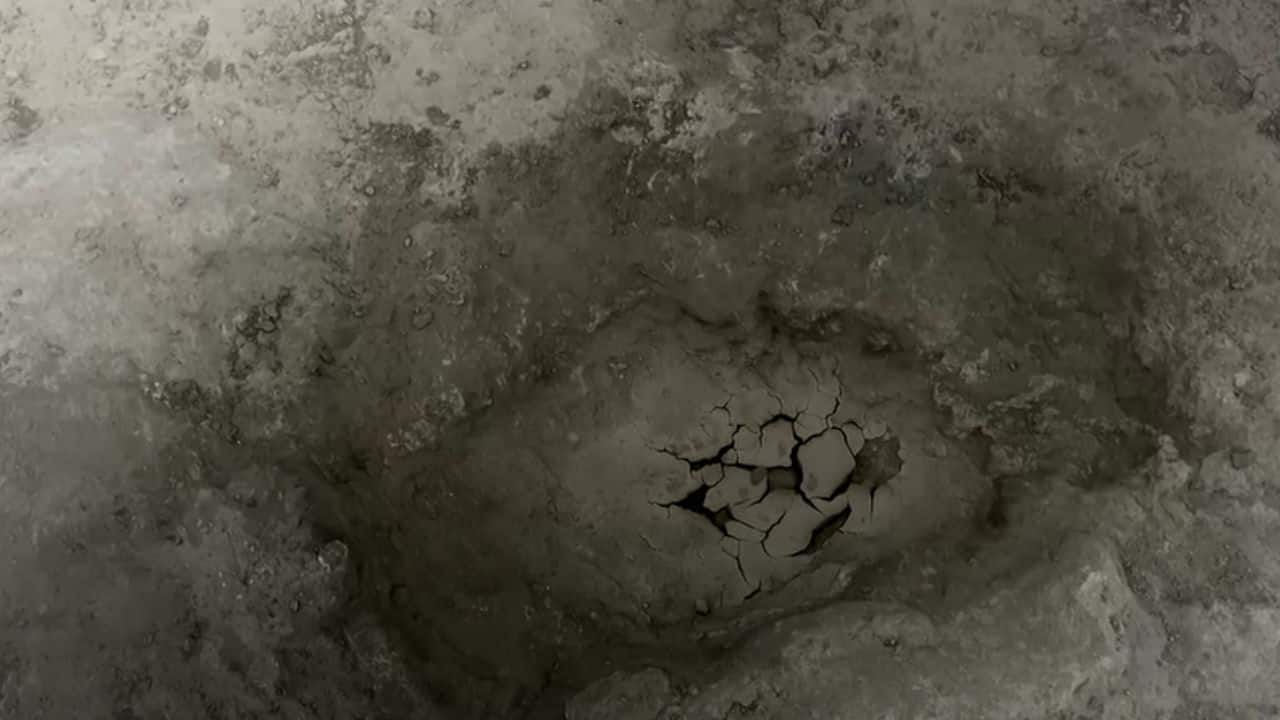
One of the World’s longest: Dinosaur footprints stretching over 650 feet discovered in UK
The largest trackway, now known as the dinosaur superhighway, extends across the quarry and is believed to have been made by a sauropod similar to Cetiosaurus.
SCIENCE
Physicists predict the Universe will end in a reverse big bang, here’s when
For two decades, scientists believed the cosmological constant, known as λ (lambda), was positive. That meant the Universe would keep expanding indefinitely.
SCIENCE
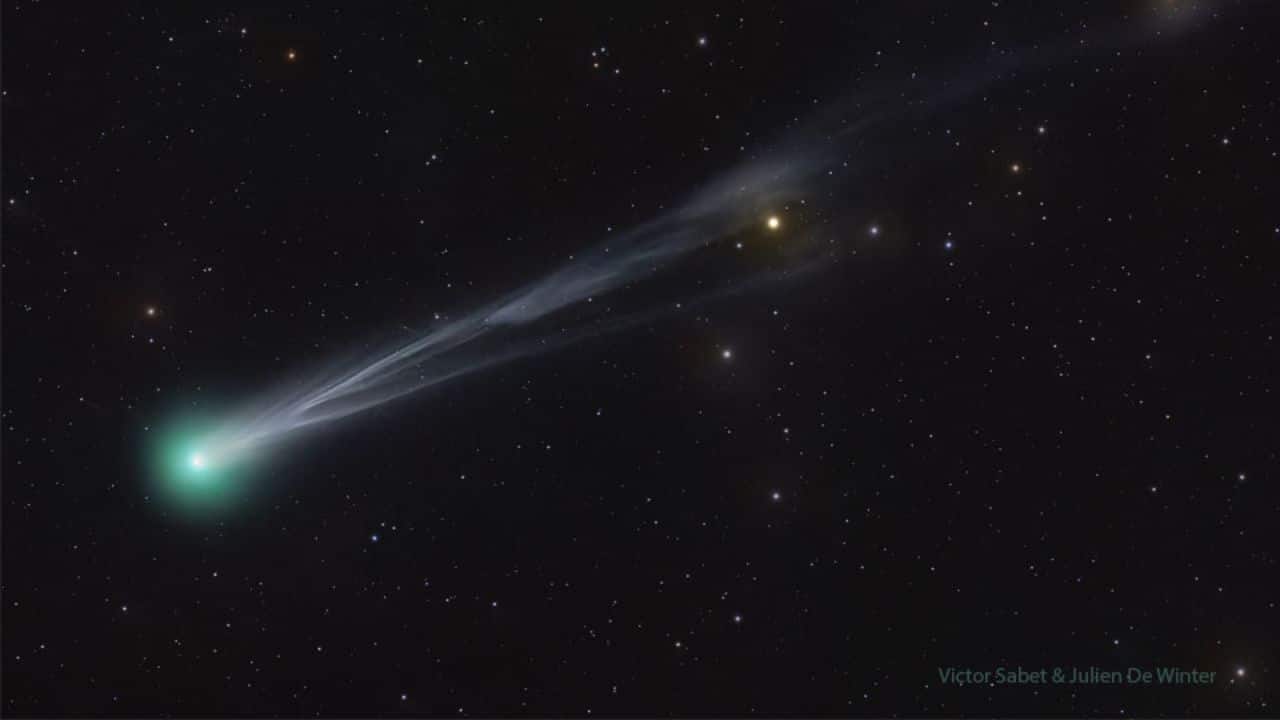
Emerald-green Comet Lemmon to be visible from Earth on October 22 – Here's how to see it
Comet Lemmon will pass approximately 55.4 million miles from Earth. It will appear low in the northwest sky after sunset.
SCIENCE
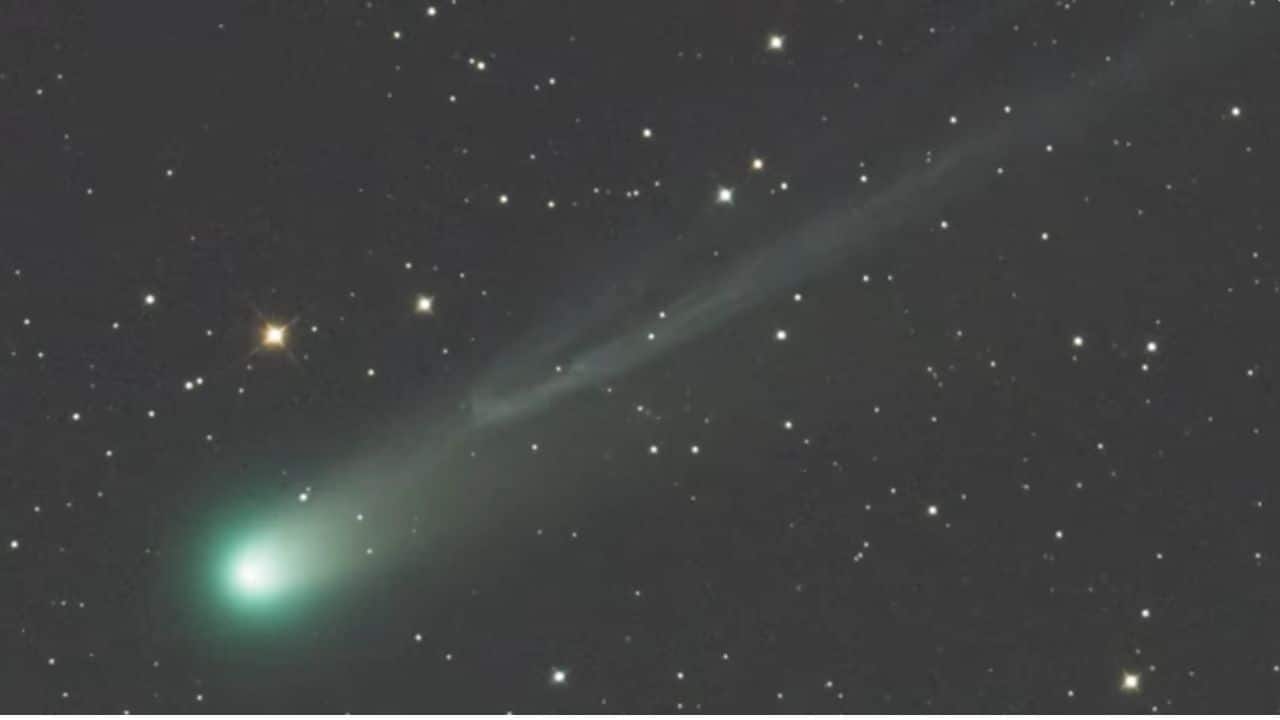
Comet Lemmon’s tail ripped by solar wind, timelapse shows dramatic event
The solar wind is a constant flow of charged particles emitted by the Sun. It pushes against a comet’s tail, which is formed from dust and gas escaping its icy nucleus.
SCIENCE
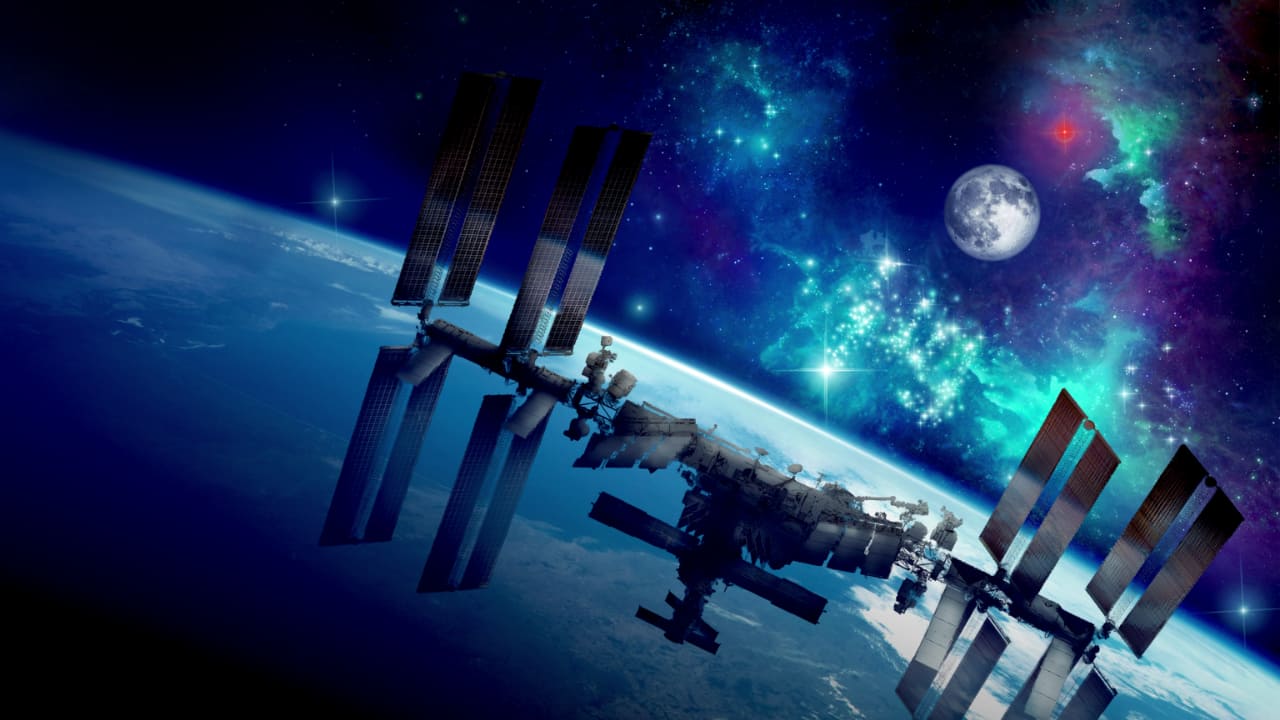
NASA prepares to bid farewell to the international space station after 25 years in orbit – Here's why
The ISS, launched in pieces beginning in 1998, has served as a beacon of global cooperation among the United States, Europe, Japan, Canada and Russia.
SCIENCE
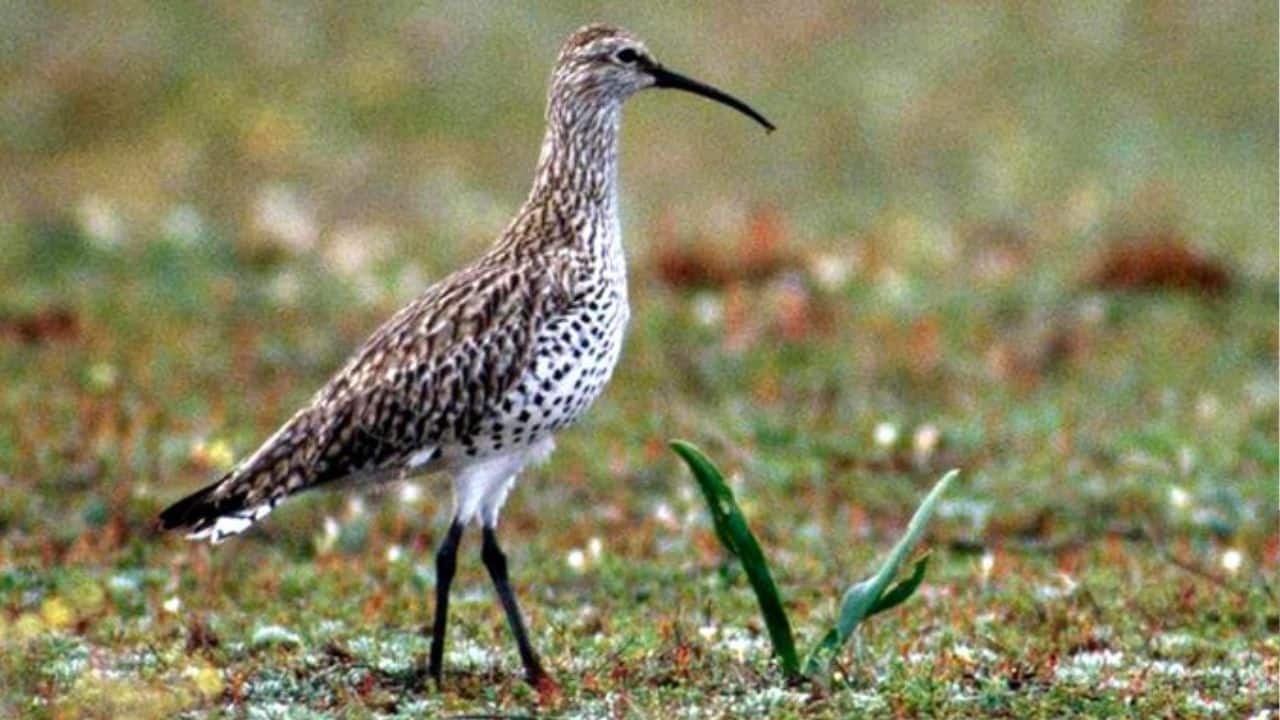
Slender-billed curlew declared extinct, IUCN confirms loss of iconic migratory bird
Once common across Europe, North Africa and West Asia, the slender-billed curlew has not been officially sighted since 1995, when one was recorded in Morocco.
SCIENCE
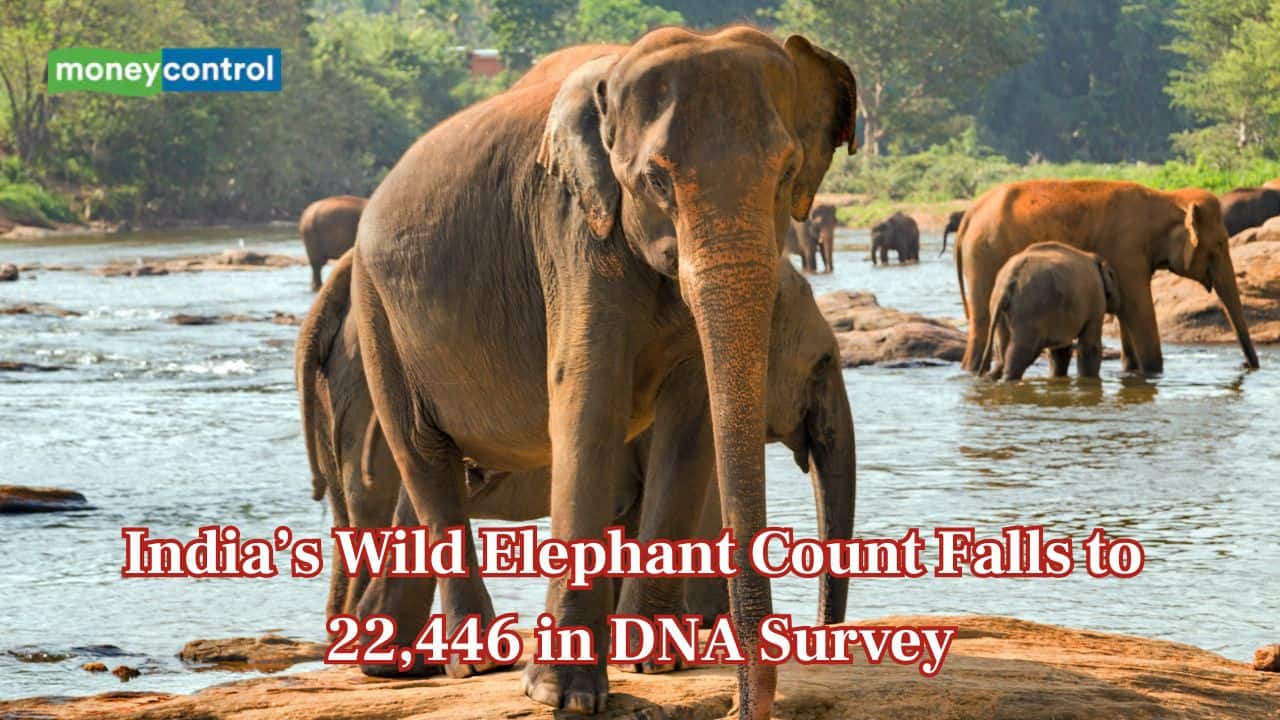
India’s wild elephant population falls 25% in eight years, says DNA study
The All-India Synchronous Elephant Estimation (SAIEE) 2025 has estimated the nation’s wild elephant population at 22,446, lower than 27,312 recorded in 2017.
SCIENCE
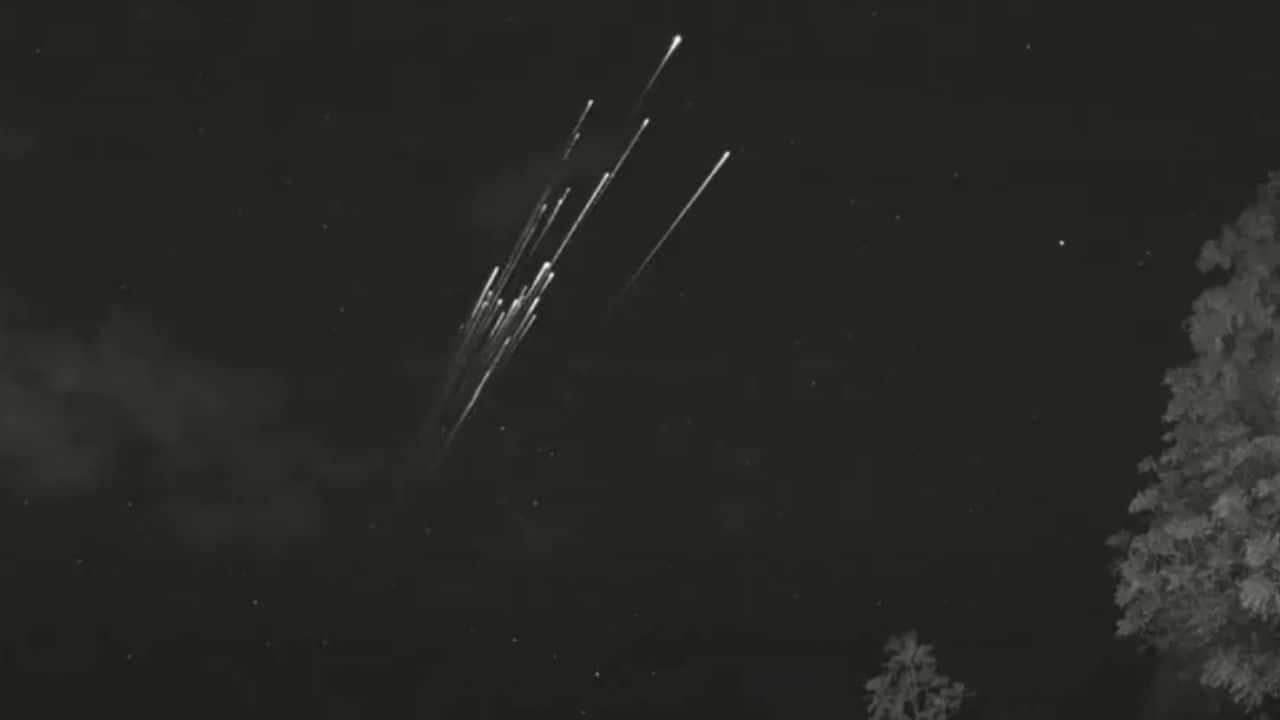
Elon Musk’s Starlink satellites are crashing into Earth, worry scientists
SpaceX’s Starlink programme operates over 6,000 satellites in low-Earth orbit, the largest satellite constellation ever built.
SCIENCE
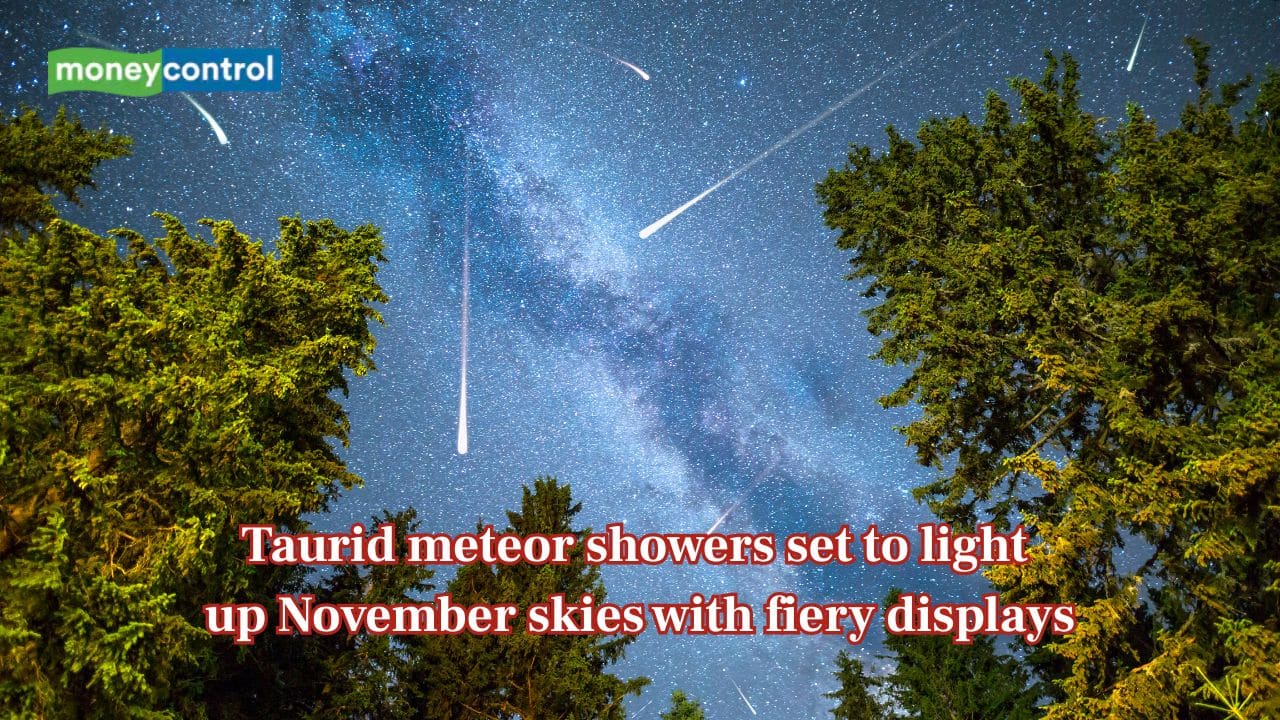
Get ready for fireballs: Taurid meteor showers set to light up November skies with fiery displays
What makes these meteor showers special is their occasional production of bright fireballs that can briefly light up the night.
SCIENCE
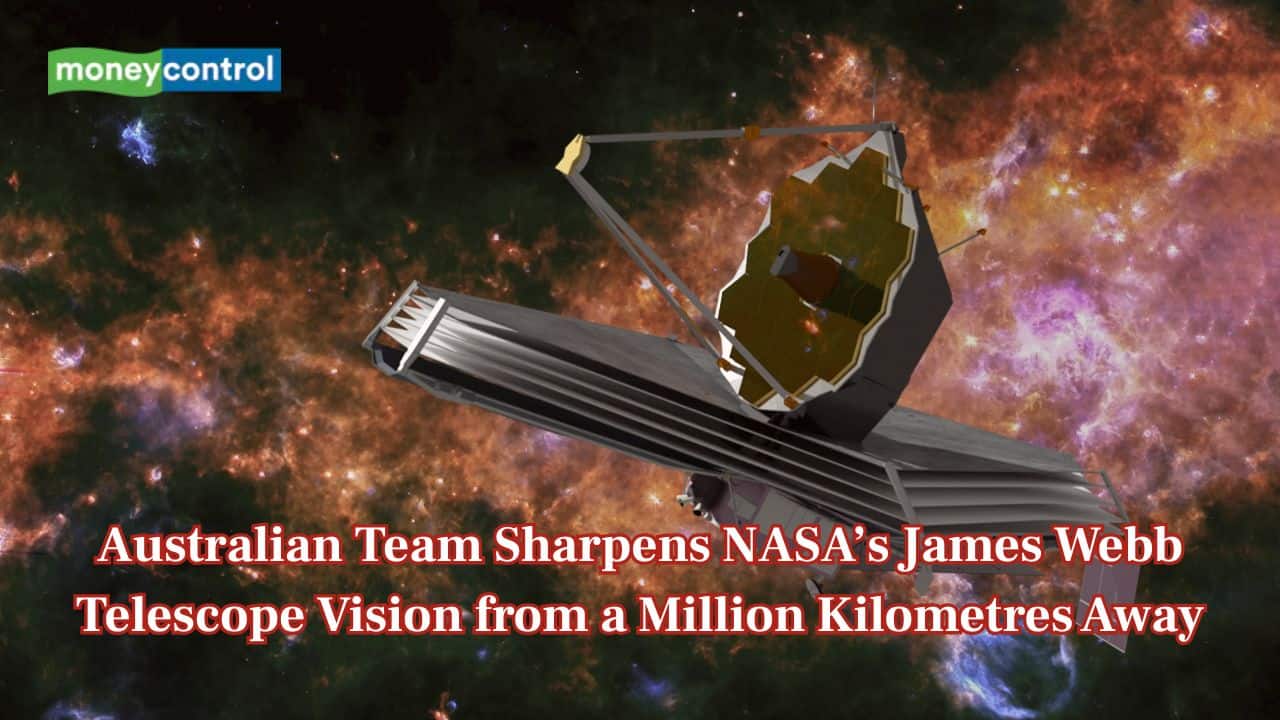
How Australian scientists sharpened James Webb Telescope’s vision from a million kilometres away
After applying the correction, Webb captured sharper images of the star HD 206893, revealing a faint planet and a reddish-brown dwarf previously unseen.
SCIENCE
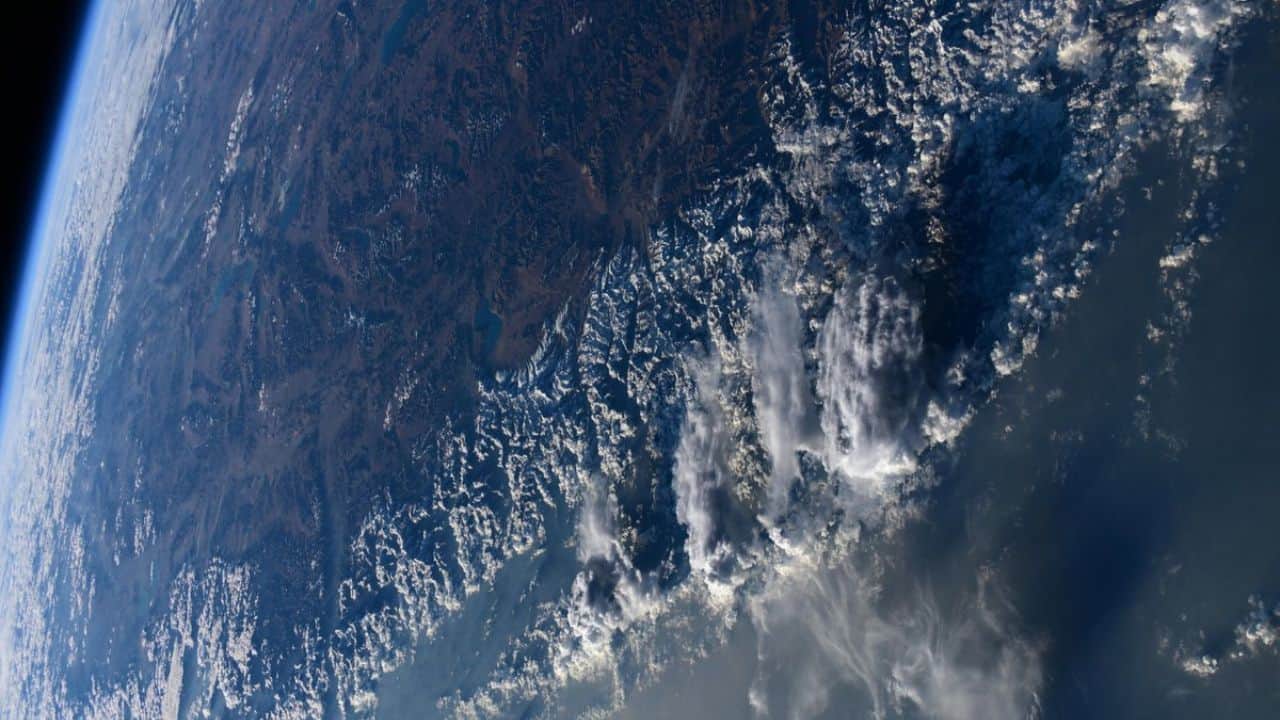
Earth from Space: NASA astronaut captures breathtaking Mount Everest, Himalayas and cloud-covered India
NASA astronaut Don Pettit’s latest photograph from the International Space Station has sparked global awe, capturing a rarely seen and stunning view of Earth’s tallest mountain.
SCIENCE
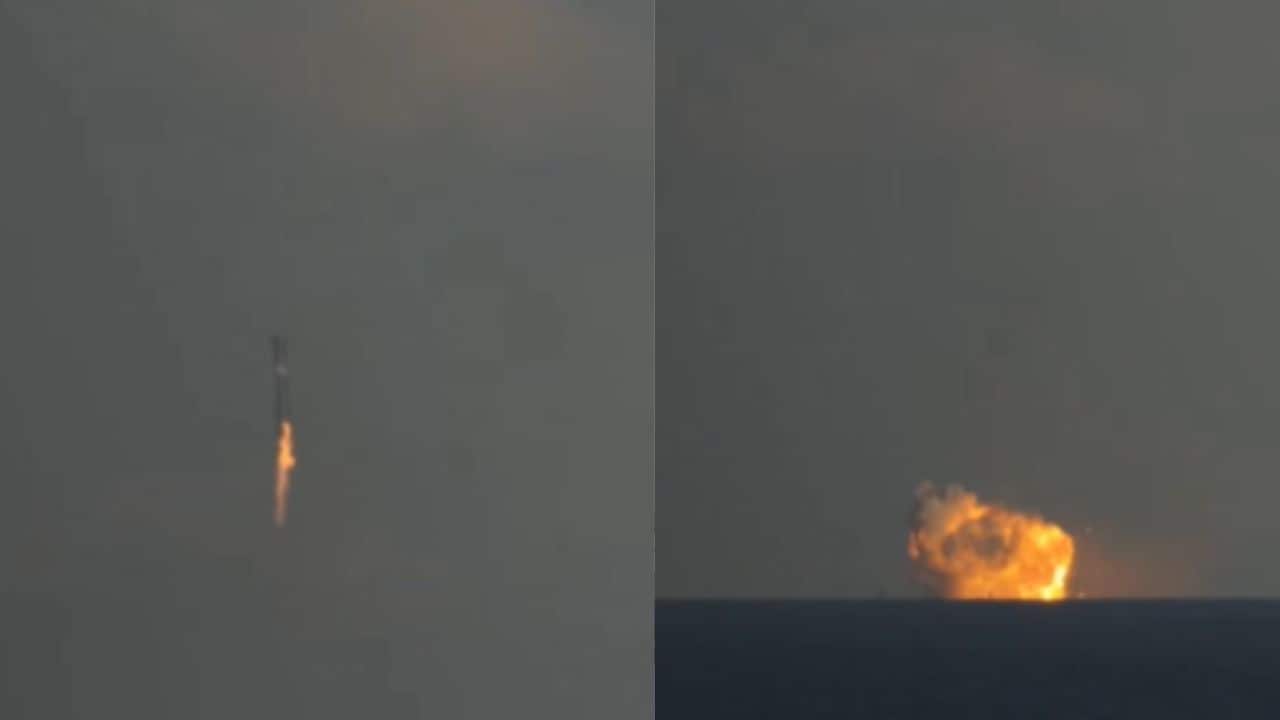
Elon Musk’s SpaceX giant super heavy rocket crashes into Gulf of Mexico — Watch video here
Moments after liftoff, the Super Heavy booster separated from Starship in a hot-staging sequence. The massive booster then began its planned descent toward the Gulf of Mexico.
SCIENCE
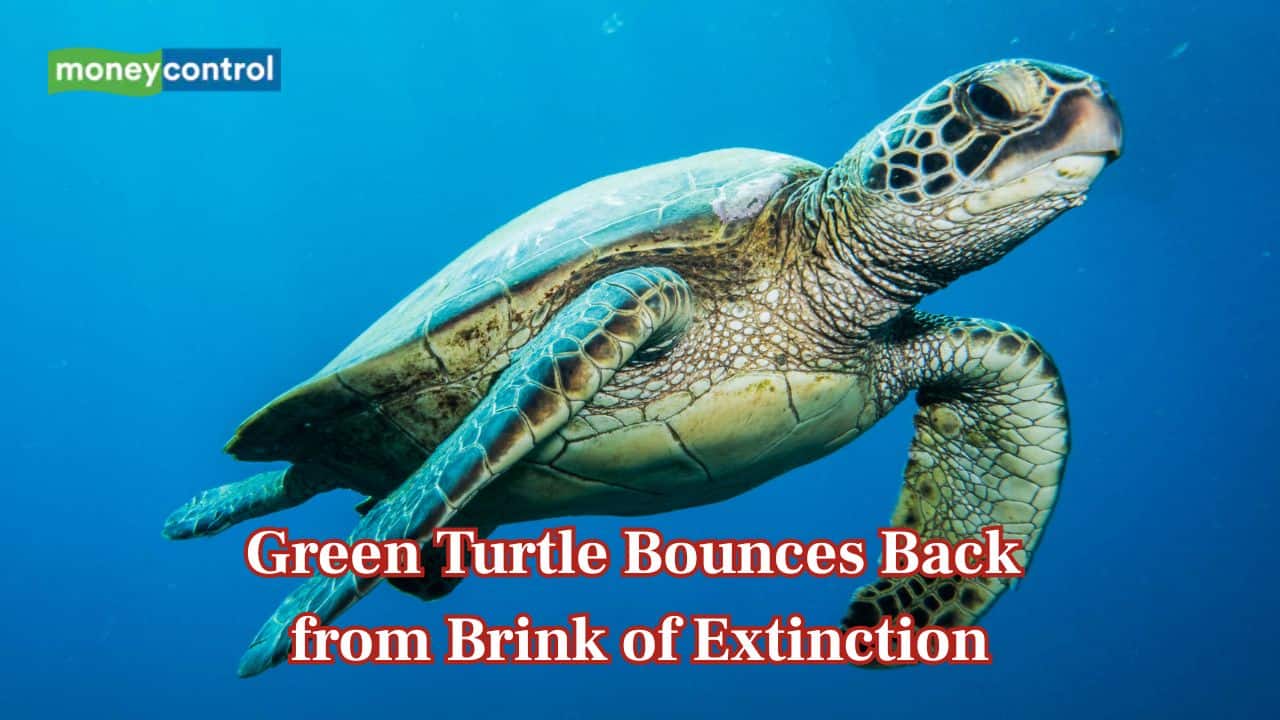
Conservation success: Green turtle returns from the brink of extinction, say scientists
New global data reveals green turtle numbers are rising after years of targeted protection. The species, long listed as endangered, has now been reclassified as least concern on the IUCN Red List.
SCIENCE
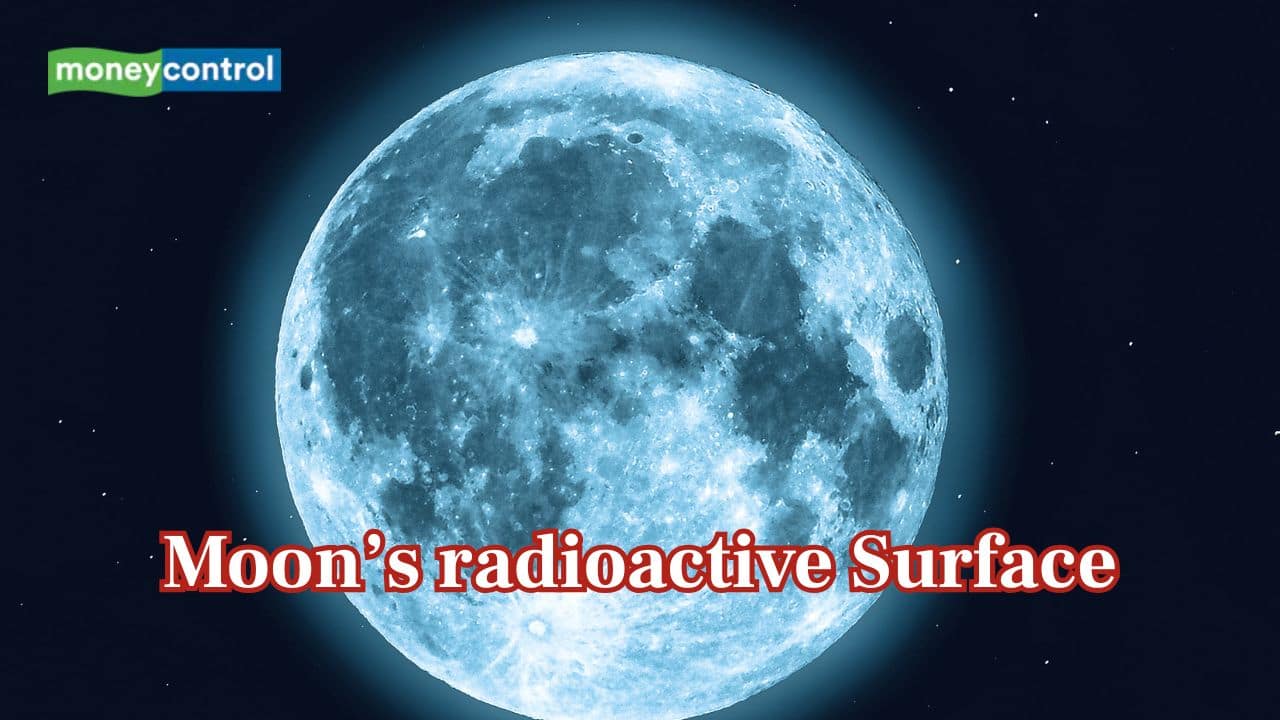
Giant northern asteroid crash made the Moon's surface radioactive, new study suggests
The impact carved deep into the Moon’s crust, exposing radioactive-rich materials known as KREEP — short for potassium, rare earth elements and phosphorus.