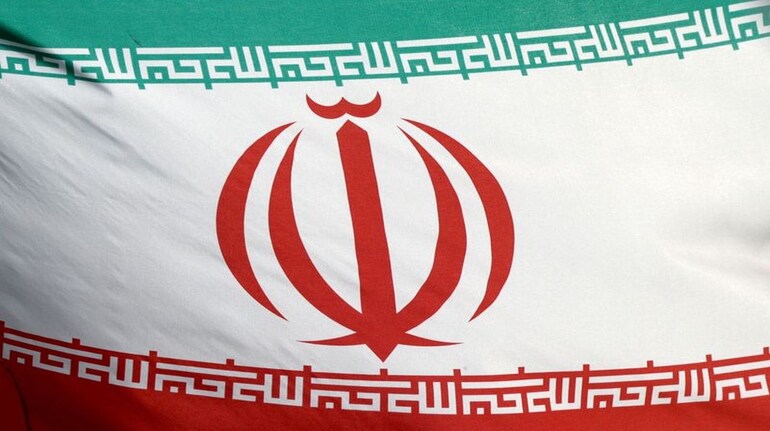

Iran has issued a sharp warning that it will retaliate against energy infrastructure across the region if its own facilities come under attack, escalating tensions amid concerns over energy security.
The speaker of Iran’s parliament, Mohammed Ghabilaf, said the country will “irreversibly” take down energy infrastructure throughout the region should its power plants be targeted.
“Immediately after the power plants and infrastructure in our country are targeted, the critical infrastructure, energy infrastructure, and oil facilities throughout the region will be considered legitimate targets and will be destroyed irreversibly,” Mohammed Ghabilaf says on X.
بلافاصله پس از هدف قرار گرفتن نیروگاههای برق و زیرساخت در کشورمان، زیرساختهای حیاتی و زیرساختهای انرژی و نفت در سراسر منطقه اهداف مشروع تلقی شده و به نحو بازگشتناپذیر منهدم خواهند شد و قیمت نفت برای مدتها بالاتر خواهد رفت. وألقِ ما في يمينك تَلْقَفْ ما صَنَعوا.— محمدباقر قالیباف | MB Ghalibaf (@mb_ghalibaf) March 22, 2026
He adds that the result will be that energy prices will remain high for a long time.
The comment comes after US President Donald Trump threatened to hit Iranian power plants if it does not reopen the Strait of Hormuz, a major chokepoint for oil.
Iran’s closure of the waterway has pushed energy prices up, putting pressure on Donald Trump. Iran has already been attacking energy facilities around the region.
Iran's defiant response came after its missiles slipped through air defences and struck two towns in southern Israel, including one housing a nuclear facility, underscoring Tehran's continued ability to retaliate as the war entered its fourth week.
US President Donald Trump ratcheted up pressure on Iran's leadership, announcing a countdown over the Islamic republic's de facto blockade on the crucial trade route.
Trump wrote on Truth Social that the US would "hit and obliterate" Iranian power plants "starting with the biggest one first" if Tehran did not fully reopen the Strait of Hormuz within 48 hours, or 23:44 GMT on Monday according to the time of his post.
Iran warns of wider retaliation
But Iran's military operational command responded that if the country's facilities were hit, "all energy, information technology and desalination infrastructure belonging to the US" in the region would be targeted.
Israel launched a fresh wave of strikes on Iranian capital Tehran on Sunday in response, while the Israeli military said it was investigating how air defence systems had failed to intercept the incoming missiles.
Iran's attacks on Israel indicated that its arsenal still poses a threat across the region, even after Trump and Israeli Prime Minister Benjamin Netanyahu claimed to have decimated Tehran's forces.
Strike near Dimona raises nuclear concerns
Dimona hosts what is widely believed to be the Middle East's only nuclear arsenal, although Israel has never admitted to possessing nuclear weapons, insisting the site is for research.
The missile fell about five kilometres (three miles) from the nuclear facility, according to rescuers.
Iran said the strike on Dimona, which tore open residential buildings and gouged craters into the ground, was in response to an earlier attack on its nuclear site at Natanz.
After the Natanz attack, UN nuclear watchdog chief Rafael Grossi reiterated his call for "military restraint to avoid any risk of a nuclear accident".
Global concerns over oil supply and economy
The Natanz facility hosts underground centrifuges used to enrich uranium for Iran's disputed nuclear programme and sustained damage in the June 2025 war.
Asked about Natanz, the Israeli military said it was "not aware of a strike".
As concerns grow about the economic fallout from the war, Trump has turned his attention to the blockaded Strait of Hormuz which typically carries around a fifth of the world's crude oil and liquefied natural gas.
Rising tensions hit global markets
The standoff has rattled markets and sent fuel prices soaring, with North Sea Brent crude now trading above $105 a barrel, feeding fears about higher inflation and weaker global growth.
Trump has slammed NATO allies as "cowards" and urged them to secure the strait.
A total of 22 countries -- including the UK, France, Italy, Germany, South Korea, Australia, the UAE and Bahrain -- said on Saturday they were ready to contribute to efforts ensuring safe passage in the vital waterway.
As thousands more American Marines head to the Middle East, US Central Command said bunker-busting bombs were dropped on an underground Iranian coastal facility this week, degrading Iran's ability to threaten freedom of navigation in the strategic waterway.
Discover the latest Business News, Sensex, and Nifty updates. Obtain Personal Finance insights, tax queries, and expert opinions on Moneycontrol or download the Moneycontrol App to stay updated!





Find the best of Al News in one place, specially curated for you every weekend.
Stay on top of the latest tech trends and biggest startup news.