The Trump administration in the US is taking an unusual step in the middle of its conflict with Iran. It is easing sanctions on certain Iranian oil supplies, even as military action continues.
At first glance, it looks contradictory. But the move reflects how serious the current energy situation has become, CNN reported.
Running out of easy options
Three weeks into the conflict, oil prices have surged and global supply has tightened sharply. Passage through the Strait of Hormuz remains heavily disrupted, making it difficult for large volumes of oil to reach global markets.
The US has already used many of its standard tools to try and manage the situation. It has released oil from strategic reserves, eased restrictions on other producers and tried to boost domestic supply. Even so, prices have continued to climb.
That has left policymakers with fewer choices, many of them difficult.
Why Iranian oil is back in play
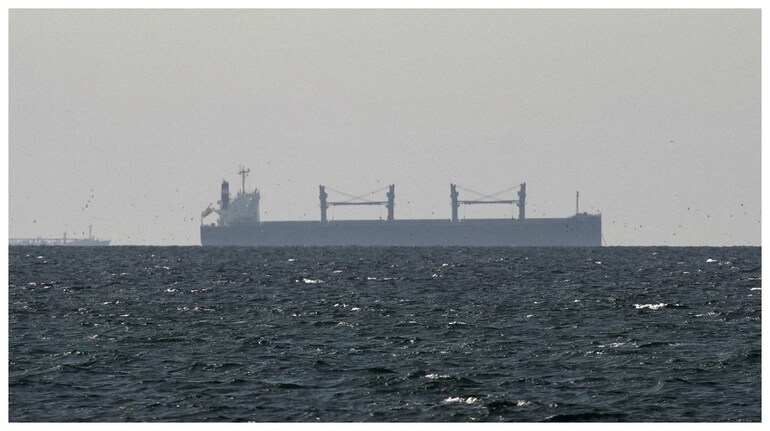
The latest step focuses on Iranian oil that is already at sea. By temporarily easing sanctions on those shipments, the US is allowing allied countries to buy that oil and ease immediate shortages.
Officials argue that this oil would likely have been sold anyway, often to buyers willing to bypass sanctions. Redirecting it to US allies helps stabilise supply without significantly changing the overall flow.
At the same time, the move shows just how much pressure the US is under right now. Even a limited opening for Iranian oil is a sign that supply is tight and options are running out.'
The price pressure is real
Oil prices have climbed sharply since the conflict began, and that is starting to show up in everyday costs. Fuel prices in the US are rising, and that feeds into inflation more broadly.
It also becomes a political issue. Higher fuel costs hit households directly, and they push up transport and production expenses across the economy. That’s why keeping prices in check has become just as important as the military side of the conflict.
A short-term fix at best
Even then, this isn’t a long-term solution. The oil currently available at sea is only a small slice of global demand.
Once those barrels are used, the same supply pressures could return, especially if the conflict drags on or worsens.
There’s also the uncomfortable reality that Iran will still make some money from these sales. Even if access to that revenue is restricted, it raises obvious questions about the trade-offs involved.
A difficult balancing act
In the end, this is about managing two competing priorities. The US is trying to keep up pressure on Iran while also dealing with the economic impact of the war. Balancing those two is turning out to be far from straightforward.
At some point, the focus may return to the bigger issue. As long as the Strait of Hormuz remains disrupted, global oil markets will stay under pressure.
For now, easing sanctions on a limited set of Iranian oil supplies is less a strategic shift and more a sign of how few options remain to stabilise the situation in the short term.
Discover the latest Business News, Sensex, and Nifty updates. Obtain Personal Finance insights, tax queries, and expert opinions on Moneycontrol or download the Moneycontrol App to stay updated!
Find the best of Al News in one place, specially curated for you every weekend.
Stay on top of the latest tech trends and biggest startup news.