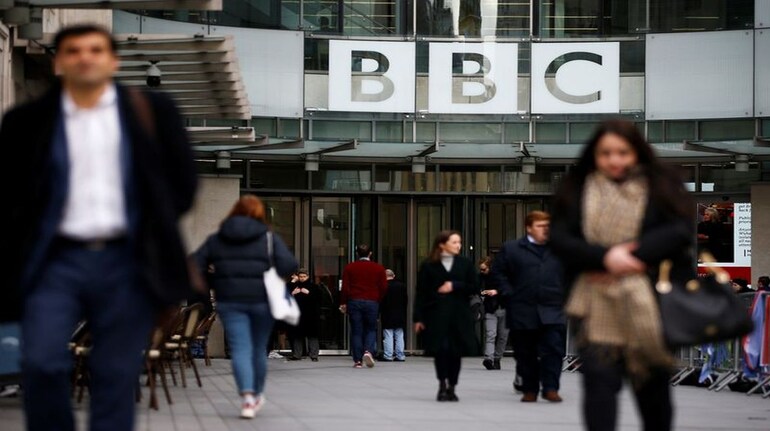
The immediate spark was a Panorama documentary about US President Donald Trump that stitched together remarks from different moments in his Jan. 6 speech. The edit created the impression of a direct call to violence. After days of criticism, the BBC acknowledged an “error of judgment.” By then, Director General Tim Davie and BBC News chief Deborah Turness had resigned, saying mistakes had been made and responsibility had to be taken, the New York Times reported.
Why this is bigger than one film The BBC is not a private American network. It is a public service institution funded by licence fees, expected to be trusted by people across the political spectrum. That role puts it under constant attack from politicians who allege bias and from commercial rivals who resent its scale. In a polarised media environment, the bar for accuracy and speed of correction is unusually high, and any stumble quickly becomes a referendum on the BBC itself.
A pattern that fuels critics This controversy lands on top of earlier flare-ups: the fallout from the historic Princess Diana interview, debates over the handling of presenters accused of misconduct, rows over social-media comments by star talent, and decisions about pulling or airing contentious programs. Each incident has chipped away at confidence and given opponents fresh ammunition, making the organization feel like it is permanently in crisis management.
How the apology went wrong Editors had a statement ready, but it did not go out promptly. That vacuum let the story grow. Critics inside and outside the corporation say a fast, clear admission would have contained the damage. Instead, the delay suggested internal indecision and invited political actors to define the narrative before the BBC could.
Trump’s megaphone and the political crossfire Once the White House and President Trump himself weighed in, the dispute jumped from a standards issue to a transatlantic political fight. British figures on the right framed it as proof of bias. The government urged a reset while trying to avoid a diplomatic spat. In this environment, even routine editorial corrections are cast as evidence of systemic failure.
What the BBC must fix now The core task is simple to say and hard to do: be visibly scrupulous. That means airtight editorial processes for sensitive subjects, faster corrections when mistakes happen, and clarity about who decides what and when. It also means insulating news judgment from political winds while communicating with unusual transparency to an audience that expects impartiality but is primed to suspect the opposite.
The road ahead A change of leadership will not, by itself, calm the waters. The pressures that produced this crisis remain: a divided public, fierce competitors, and global scrutiny. If the BBC can demonstrate that it learns quickly from errors and applies consistent standards across fraught stories, it can rebuild trust. If not, each misstep will feel larger than the last, and the world’s best-known public broadcaster will keep fighting on multiple fronts at once.
Discover the latest Business News, Sensex, and Nifty updates. Obtain Personal Finance insights, tax queries, and expert opinions on Moneycontrol or download the Moneycontrol App to stay updated!





Find the best of Al News in one place, specially curated for you every weekend.
Stay on top of the latest tech trends and biggest startup news.