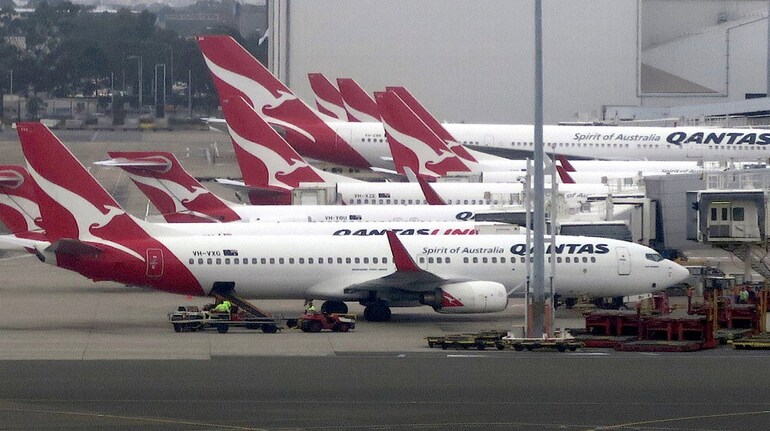

Just before 11 pm, the runways at Sydney Airport empty out. The last scheduled flights land or take off, ground crews wrap up, and then the noise fades. For the next seven hours, Australia’s busiest airport is effectively closed.
This is not a temporary measure or a recent environmental push. Sydney Airport has operated under a nightly curfew since the mid-1990s, making it one of the few major international airports in the world that shuts down completely overnight.
The curfew runs from 11 pm to 6 am and is written into federal law under the Sydney Airport Curfew Act, passed in 1995. It was introduced after years of complaints from residents who live under the airport’s flight paths, many of them in densely populated inner-city suburbs.
For decades, locals had argued that constant aircraft noise was disrupting sleep, affecting health and making neighbourhoods increasingly hard to live in. The issue became politically charged, with protests, legal challenges and pressure on governments to act. Eventually, lawmakers chose to draw a hard line.
Under the curfew rules, only a small number of flights are allowed overnight. These include emergency services, medical evacuation flights and a limited category of quieter aircraft that meet strict technical requirements. Even those exceptions are closely regulated, and airlines that break the rules can face heavy fines.
The shutdown has had a lasting impact on how Sydney functions as an aviation hub. Airlines plan schedules carefully to avoid delays that could push arrivals past 11 pm. When things go wrong, late-night flights may be diverted to other cities or forced to wait until morning. Passengers sometimes end up stuck overnight, even if their destination is only minutes away by air.
Airlines and business groups have long criticised the curfew, arguing that it restricts capacity and hurts Sydney’s competitiveness. As air travel in Asia and the Middle East has expanded with 24-hour airports, the pressure to loosen the rules has only grown.
But governments have repeatedly refused. Public backing for the curfew remains strong, particularly among communities near the airport. Surveys and consultations over the years have shown that residents value predictable quiet at night more than the economic gains of additional flights.
Sydney’s approach is unusual. Many major airports impose higher fees for late-night landings or encourage quieter aircraft, but very few shut down altogether. Sydney, by contrast, made a clear policy choice to prioritise sleep over scale.
As cities around the world struggle to balance growth with liveability, Sydney Airport’s nightly pause remains a reminder that sometimes, silence is the point.
Discover the latest Business News, Sensex, and Nifty updates. Obtain Personal Finance insights, tax queries, and expert opinions on Moneycontrol or download the Moneycontrol App to stay updated!
Find the best of Al News in one place, specially curated for you every weekend.
Stay on top of the latest tech trends and biggest startup news.