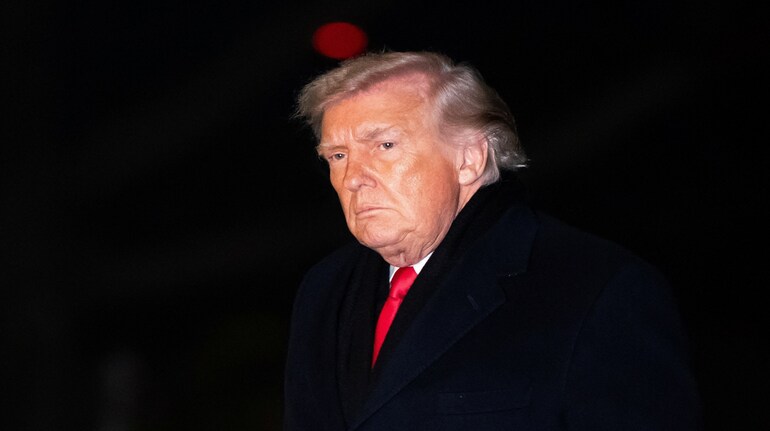

When the US Supreme Court struck down a large share of tariffs imposed by
President Donald Trump, it briefly raised hopes that everyday prices might finally
ease. Furniture, clothing and electronics had all become more expensive under the
tariff regime, and the ruling appeared, at least on the surface, to remove a major cost
pressure.
Economists and businesses, however, are warning that cheaper imports are not going
to show up on price tags anytime soon, if they show up at all, the New York Times
reported.
Why prices rarely fall as fast as they rise
Tariffs push prices up in a straightforward way. Importers pay more at the border,
and those costs work their way through supply chains. Rolling prices back down is
messier. Once companies reset prices higher, they are reluctant to reverse course
unless they are forced to.
The bigger problem right now is uncertainty. The US Supreme Court ruling closed one
legal pathway for tariffs, but it did not end the administration’s trade agenda. On the
same day as the ruling, Trump signed a new set of across-the-board 10 percent tariffs
using a different legal authority. That move alone is enough to make companies
cautious.
Businesses that do not know what tariff regime they will face next month or next
quarter tend to keep prices where they are. Cutting prices now, only to raise them
again if tariffs return in a different form, risks confusing customers and eroding
margins.
Inventory decisions are still working their way through the system
Many companies avoided steep price hikes last year by stockpiling goods before
tariffs kicked in. That buffer is now running down. New inventory has often been
imported at higher cost, and those costs are already baked into pricing decisions.
For manufacturers and retailers, the relevant question is not whether tariffs have
been struck down today, but what they paid for the materials and products they are
selling right now. If a sofa or mattress was made using inputs imported at tariff-
inflated prices, there is little incentive to discount it prematurely.
Executives in consumer-facing industries say price reductions are more likely to be
considered months from now, not weeks, and only if there is sustained clarity that
tariffs are not coming back in another form.
Refunds are unlikely to reach consumers
In theory, companies could seek refunds for tariffs already paid. In practice, that
process is slow and legally complex. Even if refunds arrive, there is no requirement
that savings be passed on to consumers.
That has already sparked political pressure. Elizabeth Warren has warned companies
that any refunds should flow back to households and small businesses rather than
boosting corporate profits. There is little evidence that such moral pressure has much
effect in competitive markets unless consumers can easily switch to cheaper
alternatives.
Businesses are planning for tariffs to persist
For many companies, the Supreme Court decision has not changed their underlying
planning assumptions. Executives are behaving as though tariffs, in one form or
another, are still part of the landscape.
That mindset shapes everything from sourcing decisions to pricing strategy. Even
firms that manufacture domestically often rely on imported components, fabrics or
electronics. As long as those inputs remain exposed to trade policy risk, price cuts
look risky.
What consumers should realistically expect
The ruling is significant from a legal and political standpoint, but it does not reset the
economy overnight. Prices tend to be sticky on the way down, especially after years of
inflation and supply shocks.
Consumers hoping for immediate relief at checkout counters are likely to be
disappointed. Any meaningful impact from the tariff rollback would take time to filter
through supply chains, and that assumes trade policy stops shifting under businesses’
feet.
For now, the Supreme Court may have removed one set of tariffs. It has not removed
the uncertainty that keeps prices high.
Discover the latest Business News, Sensex, and Nifty updates. Obtain Personal Finance insights, tax queries, and expert opinions on Moneycontrol or download the Moneycontrol App to stay updated!
Find the best of Al News in one place, specially curated for you every weekend.
Stay on top of the latest tech trends and biggest startup news.