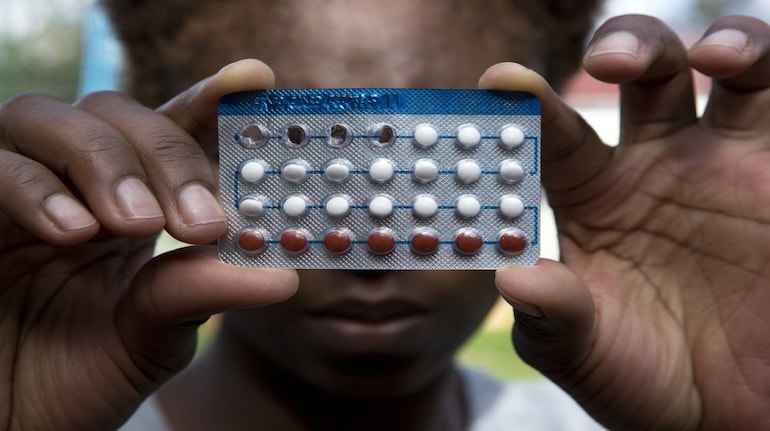
Nearly $10 million worth of contraceptives bought by the US government for overseas aid programs are gathering dust in warehouses in Belgium. The supplies, procured under the Biden administration’s USAID health initiative, were intended for countries such as Tanzania, Kenya, and Mali, where access to family planning tools remains critically low.
Now, aid groups fear the Trump administration is letting time run out until the commodities expire, a move they say could set back women’s health and reproductive rights in some of the world’s poorest regions, according to a report by CNN.
From global lifeline to locked storage
The contraceptives, including copper intrauterine devices (IUDs), hormonal implants, injections, and birth control tablets, are being stored in facilities managed by logistics company Kuehne+Nagel in Geel, Belgium.
According to documents reviewed by CNN, the inventory includes nearly 5 million individual items, most with expiration dates between 2028 and 2029. The earliest batch is due to expire in 2027.
But since the Trump administration began winding down USAID’s foreign assistance programs earlier this year, those contraceptives have been left in limbo.
Officials at the State Department had initially proposed destroying the stockpile at a cost of $167,000, but Belgium’s regional government in Flanders blocked the plan, citing a ban on incinerating reusable medical devices.
Offers Ignored, aid agencies alarmed
Multiple global organisations, including the United Nations Population Fund (UNFPA), the International Planned Parenthood Federation (IPPF), and MSI Reproductive Choices, have offered to purchase and distribute the contraceptives. But the US government reportedly ignored or declined their offers, CNN said in the report.
UNFPA said it remains 'able and willing' to buy and deploy the contraceptives immediately. The agency warned that the stalled supplies could worsen already dire shortages, as more than 250 million women worldwide lack access to modern family planning tools.
“Contraceptives save lives,” UNFPA said in a statement. “Meeting this unmet need could reduce maternal deaths by 25 percent.”
Growing impact on women’s health
The delay is already being felt in recipient countries. Dr. Bakari Omary, who runs family planning programs for IPPF’s Tanzanian partner organisation Umati, told CNN that the withheld stock represents nearly one-third of Tanzania’s annual contraceptive need.
“It’s urgent that we receive these resources before they become ineligible for import,” Omary said. “Not having them is already affecting women’s reproductive health and freedom.”
In Tanzania, medical import rules prohibit entry of pharmaceuticals that have less than 60 percent of their shelf life remaining. That means even if the US releases the supplies later, much of it may be barred from import on regulatory grounds.
Marcel Van Valen, IPPF’s global supply-chain head, warned that this 'bureaucratic loophole' could be used to justify inaction. “Unless a solution is found urgently, the US government may allow the products to sit until they technically fall below import thresholds, and then destroy them,” he said.
With the stockpile trapped between political deadlock in Washington and environmental regulations in Belgium, international agencies are scrambling for a workaround. Diplomats in Brussels say discussions are ongoing to transfer ownership to the UN or other NGOs, but progress has been slow.
Meanwhile, the contraceptives continue to sit idle in temperature-controlled storage, a silent symbol of how shifting US policies can ripple across continents.
Discover the latest Business News, Sensex, and Nifty updates. Obtain Personal Finance insights, tax queries, and expert opinions on Moneycontrol or download the Moneycontrol App to stay updated!





Find the best of Al News in one place, specially curated for you every weekend.
Stay on top of the latest tech trends and biggest startup news.