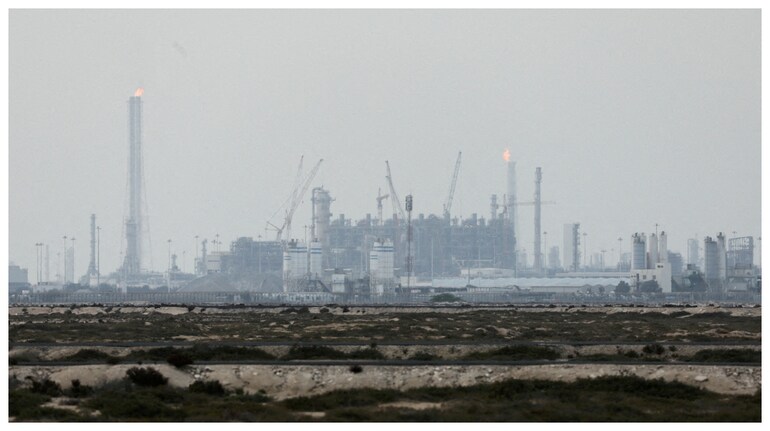
The attack on Qatar’s Ras Laffan Industrial City has unsettled global energy markets almost immediately. This isn’t just any facility. It is the world’s largest LNG export hub, so even a hint of disruption tends to push prices higher.
The timing has made it worse. Tensions in the Middle East were already high, and this has added to the worry that the conflict could start affecting key energy infrastructure more directly, the New York Times reported.
Why Ras Laffan is so important
Ras Laffan is at the heart of Qatar’s gas business. It is where most of the country’s LNG is processed and shipped out.
The scale of the complex is hard to miss. It covers an area roughly a third the size of New York City and handles a large share of global LNG exports. That is why any disruption here doesn’t stay local for long.
In fact, about one in every five shipments of liquefied natural gas globally is linked to this facility. Qatar itself is one of the world’s largest LNG exporters, and its gas has been a key source of energy for both Europe and Asia.
Much of this supply comes from the North Dome field, part of the world’s largest offshore gas reserve, which Qatar shares with Iran. That connection also adds another layer of complexity to the conflict.
Immediate impact on energy markets
The market reaction was swift. European gas prices jumped by as much as 30 percent following the attack, reflecting how dependent several regions are on Qatari supply.
According to Qatar’s energy minister, the strikes have damaged around 17 percent of the country’s LNG export capacity. The financial impact is significant as well, with losses estimated at about USD20 billion in annual revenue.
Repairs are not likely to happen quickly. Fixing the damage could take anywhere from three to five years, simply because of how complex these facilities are.
Why this could have lasting effects
LNG plants are not something you can fix overnight. They rely on specialised equipment and systems that take time to repair or replace. Even partial damage can disrupt operations for months.
Qatar had already paused LNG exports earlier in the conflict, and this latest hit raises fresh concerns about how long supply could remain affected.
The United States, which is currently the largest LNG exporter, is already running close to full capacity. That means it may not be able to fully step in and cover any gap if Qatari supply stays disrupted.
A broader escalation risk
The attack also hints at how the conflict could evolve. Analysts believe Iran may start targeting more energy infrastructure in the Gulf if its own facilities continue to be hit.
The idea is to increase the economic pressure, not just on Gulf countries, but also on their allies, in the hope of forcing a quicker end to the conflict.
What to watch next
The key question now is whether this was just a one-off incident or the start of a wider pattern.
If more energy facilities come under attack, the impact won’t stay confined to the region. Prices could move higher, supply chains could tighten, and the effects would likely be felt across multiple economies.
Even this one strike on a major hub like Ras Laffan has already shaken markets. If things escalate further, it could quickly become much harder to contain.
Discover the latest Business News, Sensex, and Nifty updates. Obtain Personal Finance insights, tax queries, and expert opinions on Moneycontrol or download the Moneycontrol App to stay updated!





Find the best of Al News in one place, specially curated for you every weekend.
Stay on top of the latest tech trends and biggest startup news.