






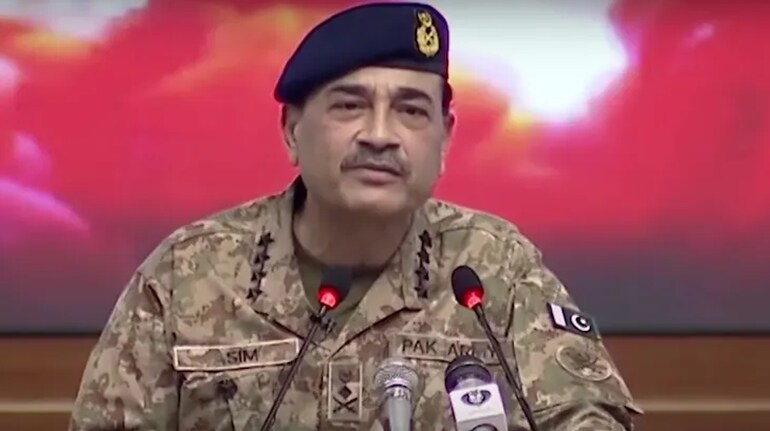
Saudi Arabia is urging Pakistan to take a more active stance against Iran, invoking a 2025 defence agreement as tensions in West Asia continue to rise. In a televised message relayed to Canada through Saudi experts, Riyadh signalled that it expects Islamabad to play a role if the situation escalates further.
Why Riyadh is looking towards Islamabad
Saudi Arabia is widely seen as leaning on Pakistan’s sizeable and battle-tested military, particularly after struggling to sustain prolonged ground operations in Yemen. The defence pact is believed to offer Riyadh access to Pakistan’s nuclear deterrent umbrella, potentially reducing its reliance on the United States while bolstering its position vis-à-vis Iran.
In such a scenario, Pakistani forces could be tasked with opening a second front along Iran’s eastern border or assisting in securing the Strait of Hormuz. This, in turn, would allow Saudi troops to limit exposure to heavy casualties in direct ground engagements.
The risks Islamabad faces
For Pakistan, any confrontation with Iran carries significant domestic and economic risks. Targeting Shia-majority Iran could inflame sectarian tensions at home, where Pakistan has the world’s second-largest Shia population, estimated at between 30 and 50 million.
A conflict could also place further strain on an already fragile economy. Higher oil prices, a potential drop in remittances from the Gulf, and existing financial and energy pressures could deepen the crisis.
Security concerns are equally pressing. Pakistan shares a 900-kilometre border with Iran, leaving it vulnerable to retaliation. At the same time, it continues to grapple with tensions involving India, militant activity linked to Afghanistan, and a persistent Baloch insurgency—raising the risk of its military being stretched across multiple fronts.
Intelligence signals and strategic concerns
Senior Indian intelligence officials indicate that even a limited Pakistani role—such as providing air defence support or deploying forces in Saudi Arabia or around the Strait of Hormuz—would effectively open a western front. This comes at a time when Pakistan is already navigating several overlapping security challenges.
Given its sizeable Shia population, entering a conflict with Iran could also risk fuelling domestic unrest and possible radicalisation.
A cautious line from Islamabad
Sources suggest Pakistan is unlikely to commit to a full-scale offensive or deploy ground troops inside Iran. Recent statements from Islamabad are being interpreted more as attempts to maintain strategic balance than as indications of imminent military involvement.
Pakistan has so far maintained official neutrality in the United States-Israel-Iran tensions, condemning attacks from all sides while emphasising the need for diplomacy and stability along its borders.
On March 20, Iran’s Supreme Leader Mojtaba Khamenei urged Pakistan to improve ties with Afghanistan. In a message on X, he described Pakistan as a “beloved” country and encouraged both sides to strengthen relations, saying he was ready to take steps in that direction.
Separately, a Pakistani oil tanker, MT Karachi, transited the Strait of Hormuz on March 15 despite the closure of the critical shipping route.
Discover the latest Business News, Sensex, and Nifty updates. Obtain Personal Finance insights, tax queries, and expert opinions on Moneycontrol or download the Moneycontrol App to stay updated!
Find the best of Al News in one place, specially curated for you every weekend.
Stay on top of the latest tech trends and biggest startup news.









