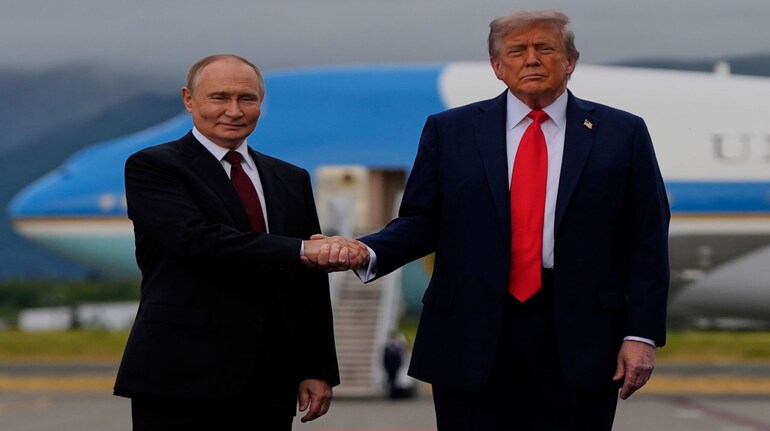
The past 10 days have seen one of the most frenetic stretches of diplomacy in years since Russia's full-scale invasion of Ukraine in 2022. President Trump met with President Vladimir Putin in Alaska, with talks in Washington later joined by Volodymyr Zelensky and several European leaders. All the time, however, there is still no peace treaty or cease-fire. Promising signals from Alaska that Putin would meet with Zelensky have since evaporated, as Moscow and Washington started to sound ever more dubious. Russia's foreign minister, Sergey Lavrov, dismissed any such meeting as imminent, the New York Times reported.
Washington's role in security talks
After the sessions, President Trump assigned Secretary of State Marco Rubio with beginning to work on possible security assurances for Ukraine upon the conclusion of the war. Zelensky has agreed that U.S. and Ukrainian negotiators will soon take a seat across from Russia and negotiate the outlines of future talks with Moscow. While the prospect of direct talks is still distant, Ukraine continues to hold that only a summit between Zelensky and Putin can in principle end the war.
Pressure on Moscow increases
Trump has vowed "massive sanctions" several times if Russia fails to negotiate peace, although he has fallen behind deadlines on doing something in the past. The United States has already imposed blanket sanctions since 2022, but Russia has adapted by expanding trade with allies such as China and India. Fresh sanctions against these partners would threaten global instability, and India has said it will keep importing Russian oil even if Trump proceeds with levying steep tariffs. The muddled U.S. approach underlines the imperfection of economic pressure to change Moscow's mind.
Escalation on the battlefield
The fight continues in the field meanwhile. Russia is pushing hard in the east of Ukraine, attempting to capture the strategic city of Pokrovsk in Donetsk. Securing what remains of Ukrainian-held land in the Donbas remains a top war goal for Moscow. In the meantime, Russian drone and missile attacks are still pounding cities in Ukraine, revealing the vulnerability of Kyiv. Drone warfare also has been hindering troop travel, contributing to the deadlock but killing great quantities of troops on both sides.
Sticking points to peace
An agreement is unlikely in the near future due to deep-rooted differences. Russia wants to maintain control over the Donbas region in full, with Ukraine needing protection for its remaining holdouts and a promise that they won't be attacked again. Kyiv still pushes to join NATO, though that's far away, and also asked to have 20,000 children who had been shipped off to Russia during the conflict returned. Russia insists, however, that any agreement must come with UN Security Council assurances of safety, and even Moscow itself—something Ukraine finds unacceptable.
What’s next
European allies such as France, Britain and Estonia have offered to send troops to help secure Ukraine in the postwar era, while Trump offered American support but without American boots on the ground. With little diplomatic activity and with Russia exerting its military pressure, Ukraine has a difficult path ahead. The major questions now are whether the sanctions capable of altering Moscow's trajectory and whether Zelensky is capable of negotiating substantive assurances to prevent repetition of Russian aggression. For now, war will likely continue both militarily and politically.
Discover the latest Business News, Sensex, and Nifty updates. Obtain Personal Finance insights, tax queries, and expert opinions on Moneycontrol or download the Moneycontrol App to stay updated!
Find the best of Al News in one place, specially curated for you every weekend.
Stay on top of the latest tech trends and biggest startup news.