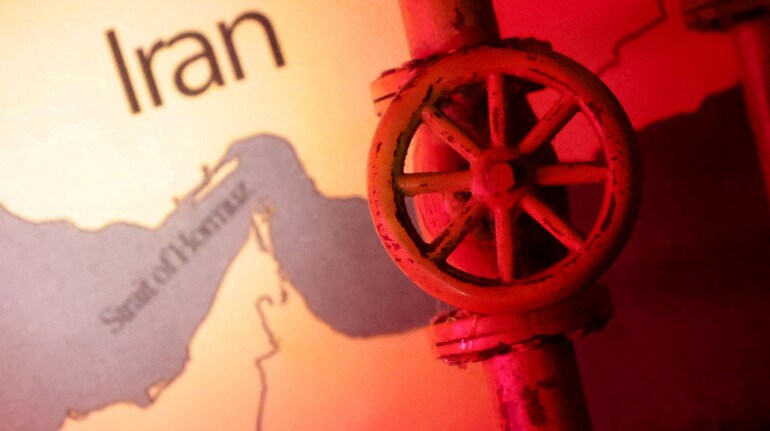

Concerns are growing inside the White House about the political and economic consequences of a prolonged conflict with Iran, according to a report by The Wall Street Journal. The report said some advisers close to US President Donald Trump are privately urging him to outline a clear exit strategy from the war.
According to the report, officials fear that a prolonged conflict could trigger political backlash at home as oil prices rise and global markets remain volatile. The concern comes as energy prices surged sharply during the early phase of the conflict, intensifying pressure on the administration.
Trump has publicly downplayed such concerns. The president has said the military campaign is “very complete” and “ahead of our initial timeline.” The White House has also denied that there is any urgency to end the operation.
Oil markets briefly reflected signs of easing tension after a combination of developments including discussions among G7 nations about releasing strategic reserves, signals of de escalation from Washington and a conditional offer from Iran’s Revolutionary Guard to reopen the Strait of Hormuz.
Prices dropped sharply from around $119 per barrel to below $94, suggesting markets initially interpreted these signals as a potential path toward stabilisation.
Why the oil shock may persist even if the war ends
However, the energy crisis triggered by the conflict may not end simply with a ceasefire or political settlement.
A major structural issue lies in the global maritime insurance system that underpins the transport of oil through conflict zones.
The Strait of Hormuz normally carries about 20 percent of global seaborne crude shipments, making it one of the most critical maritime chokepoints in the world. Even if military operations slow or stop, commercial shipping cannot fully resume unless insurers are willing to cover vessels transiting the area.
Several major maritime insurers withdrew war risk coverage for ships passing through the region earlier this month after the conflict escalated.
These insurers operate under strict capital requirements governed by European regulatory frameworks such as Directive 2009/138/EC, which determines how much financial capital they must hold against potential losses.
When risks rise sharply in an active combat zone, insurers must significantly increase their capital reserves to remain compliant with regulations.
Under the regulatory framework, marine war risk policies can require 20 to 30 percent capital charges for premium risk and 25 to 35 percent for reserve risk, calculated under a 99.5 percent Value at Risk model over a one-year period.
The sudden surge in missile strikes, drone attacks and naval threats in the Strait of Hormuz dramatically increased projected losses. For insurers, continuing to underwrite coverage under such conditions could breach regulatory requirements. As a result, coverage was suspended.
Why insurance recovery takes much longer than war
Even if hostilities stop quickly, the insurance system does not reset overnight. Insurers rely on actuarial data to determine when risks have fallen to acceptable levels. This process depends on a sustained drop in incident frequency such as missile launches, drone attacks or vessel strikes.
A political ceasefire reduces military activity but does not immediately erase the risk calculations used by insurers.
Industry estimates cited in maritime reports suggest the process of recalibrating risk models and restoring coverage can take 12 to 24 months after hostilities cease.
During that period, commercial shipping through the Strait may remain severely constrained.
This means the economic disruption triggered by the war could persist long after the political conflict itself ends.
Oil markets already factoring in insurance risk
The behaviour of oil prices reflects this dynamic. Although Brent crude has fallen from its peak near $119, it remains significantly above pre-war levels.
The difference between current prices and earlier levels is not only a reflection of military risk. It also represents the cost of disrupted insurance coverage and the uncertainty surrounding when normal shipping operations can resume.
In other words, markets may be pricing not just the duration of the conflict but the longer recovery timeline for global maritime insurance.
Political exit versus economic recovery
The debate inside Washington therefore reflects two separate timelines.
A political settlement could end the fighting relatively quickly. But the commercial systems that allow global oil to move safely through maritime chokepoints operate on much slower regulatory and actuarial cycles.
Even if military operations end and leaders declare victory, insurers and shipping companies may take many months to restore full activity.
Until that happens, a large share of global oil shipments passing through the Strait of Hormuz could remain constrained, prolonging the economic impact of the conflict well beyond its political conclusion.
Discover the latest Business News, Sensex, and Nifty updates. Obtain Personal Finance insights, tax queries, and expert opinions on Moneycontrol or download the Moneycontrol App to stay updated!
Find the best of Al News in one place, specially curated for you every weekend.
Stay on top of the latest tech trends and biggest startup news.