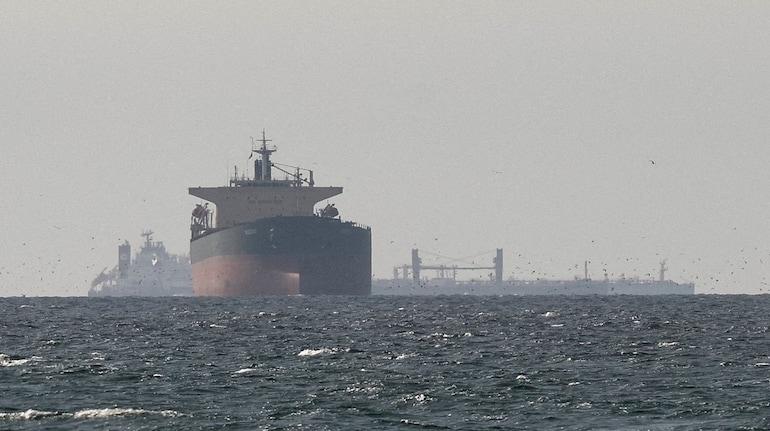
Iran has established an “approved” shipping corridor through the Strait of Hormuz, allowing select vessels to transit along routes within its territorial waters after prior clearance. According to Lloyd’s List, at least one tanker reportedly paid around $2 million for passage.
At least nine ships have already used the corridor near Larak Island, where authorities linked to the Islamic Revolutionary Guard Corps verify vessels visually. Governments including India, China, Pakistan, Iraq and Malaysia are coordinating transit requests directly with Tehran.
Lloyd’s List reports that Iran is formalising the system: shipowners must submit detailed ownership and cargo information in advance, often via intermediaries, to register for clearance. Vessels tied to the U.S. or Israel are explicitly excluded. Traffic remains limited, with just 15 transits recorded from March 15–17, around 90% linked to Iran-connected trade or ownership.
Iran sets up “approved” shipping corridor through HormuzIran is allowing select vessels to pass through the Strait of Hormuz along routes inside its territorial waters after prior approval — with at least one tanker reportedly paying around $2M for transit, according to… https://t.co/KrIB4bb5v0pic.twitter.com/IqlLVRwCE5— Drop Site (@DropSiteNews) March 19, 2026
The corridor appears to be part of a wider plan to impose transit fees on vessels navigating the strait, a lawmaker said on Thursday. “Parliament is considering a bill under which countries using the strait for shipping, energy transit and food supplies would be required to pay tolls and taxes to Iran,” the lawmaker told the Iranian Students’ News Agency.
Mohammad Mokhber, an adviser to Iran’s supreme leader, hinted at Tehran’s long-term ambitions: “By using the strategic position of the Strait of Hormuz, we can sanction (the West) and prevent their ships from passing through this waterway,” he said, according to Mehr news agency. He added that a “new regime for the Strait of Hormuz” will follow the war’s eventual end, allowing Tehran to impose maritime restrictions on states that have sanctioned it.
For now, the corridor is operational but modest in scale. The move underscores Tehran’s growing control over a vital waterway that handles roughly a fifth of global oil and liquefied gas shipments, while signalling that commercial passage may increasingly come with a financial cost.
(With inputs from agencies)
Discover the latest Business News, Sensex, and Nifty updates. Obtain Personal Finance insights, tax queries, and expert opinions on Moneycontrol or download the Moneycontrol App to stay updated!
Find the best of Al News in one place, specially curated for you every weekend.
Stay on top of the latest tech trends and biggest startup news.