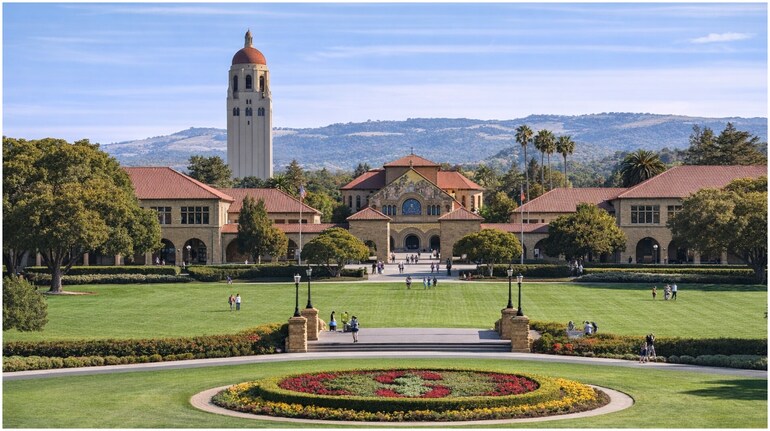

A claim by a Stanford University student has kicked up an unexpectedly heated debate online.
In a recent essay, the student alleged that some undergraduates were falsely identifying as Jains to get out of Stanford’s mandatory meal plan, which reportedly costs close to Rs 7 lakh a year. According to her, the religious exemption that is supposed to be only for practising Jains was being used by a few students who simply did not want to eat in campus dining halls.
Stanford, like many US universities, requires most students living on campus to sign up for a meal plan. Certain exemptions, however, are allowed, such as for medical or religious reasons. Since Jains have strict dietary principles based on non-violence and they avoid root vegetables and other foods, the Stanford’s Jain community was allowed this exemption.
However, this essay has claimed that some non-Jain students are citing Jain dietary restrictions to qualify for an exemption and then using their food budgets outside campus, at grocery stores or restaurants of their choice. The student suggested that these peers prefer eating off-campus rather than sticking to university dining options.
There is no public data yet to show how widespread this practice might be. Stanford has not issued a detailed statement responding to the specific allegation. It is also unclear what documentation the university requires when students request a religious exemption.
Still, the issue has struck a nerve. For some people it has become a matter of fairness. Meal plans offered at top US universities are expensive, and students often look for ways to cut costs. Foregoing that struggle by simply lying seems unfair. To others, casually and falsely claiming a religion identity for their convenience feels disrespectful.
Social media reactions are divided. Some suggest that universities need to place clearer checks to prevent people from taking advantage of loopholes like these, while others say that asking people to verify their religious identity is sensitive territory, and institutions have to be careful in that aspect.
The controversy also highlights a bigger problem. The cost of attending top US universities keeps rising, and dining plans add significantly to the total bill.
In the end, the argument is not just about food. It is about money, belief and how institutions balance trust with accountability.
Discover the latest Business News, Sensex, and Nifty updates. Obtain Personal Finance insights, tax queries, and expert opinions on Moneycontrol or download the Moneycontrol App to stay updated!
Find the best of Al News in one place, specially curated for you every weekend.
Stay on top of the latest tech trends and biggest startup news.