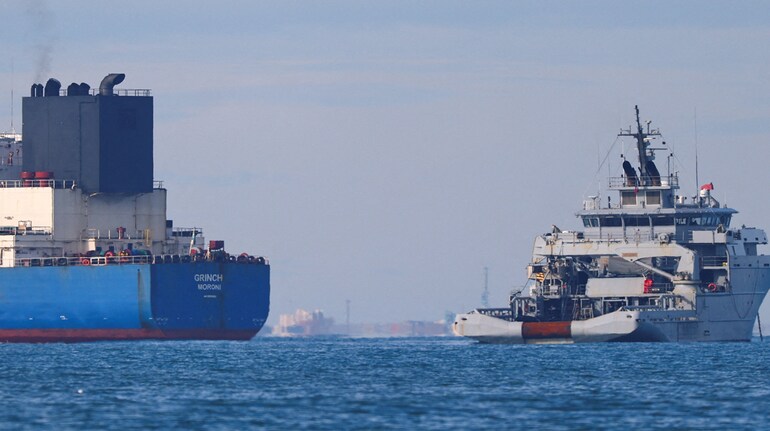

When tanker traffic through the Strait of Hormuz slowed this month, oil producers didn’t have many choices. They began shifting shipments to the Red Sea, using Saudi pipelines to move crude west and load it from ports like Yanbu.
That shift is already visible. Shipments from the Red Sea have jumped, and the route has quietly become a key fallback for global oil flows. But that fallback may not hold, according to CNN.
The workaround is getting exposed
Iran has warned that US-linked facilities in the Red Sea could be targeted. That includes the kind of infrastructure that supports oil shipments and naval activity in the region. If that happens, the Red Sea stops being a workaround and becomes part of the problem.
The concern isn’t coming out of nowhere. The region has been tense for a while.
This route was already shaky
Even before this war, the Red Sea wasn’t a comfortable route for shipping companies. Houthi attacks on commercial vessels over the past year had already pushed many operators to avoid the area.
Instead of passing through the Suez Canal, ships have been taking the longer route around Africa.
That adds time, fuel costs and insurance headaches. It also means the Red Sea hasn’t really been a smooth alternative, just a necessary one. Now, with the current conflict layered on top, the risks have gone up again.
There aren’t many routes left
Saudi Arabia’s pipeline helps, but only up to a point. It can move about 7 million barrels a day, which is useful, but still far short of the volumes that normally pass through Hormuz. If shipments through the Red Sea also get disrupted, there isn’t a clear Plan B.
That’s what’s making markets nervous. Not just that one route is under pressure, but that multiple routes could be hit at the same time. And when that happens, prices tend to move fast.
Some analysts are already warning that oil could spike sharply if tankers start getting targeted in the Red Sea as well. Once that happens, the impact spreads quickly, fuel, transport, food, almost everything starts getting more expensive.
Shipping has already taken a hit
Cargo shipping is slightly ahead of this curve. Most container ships had already pulled back from the Red Sea months ago and switched to longer routes. That means the immediate disruption may be limited, but the costs are already baked in.
Longer journeys, higher insurance, tighter schedules, all of that is now part of the system. Some companies briefly tried to return to the Red Sea earlier this year, but that didn’t last long once risks picked up again.
The bigger problem
What this really shows is how little slack there is in global trade routes. There are only a few key passages that handle a huge share of global energy and goods.
When one is disrupted, things adjust. When more than one is under threat, the system starts
to strain. Right now, that’s the situation.
Hormuz is already under pressure. If the Red Sea becomes unsafe as well, there aren’t many options left. And that’s what’s really driving the concern, not just what’s happening now, but what could happen next.
Discover the latest Business News, Sensex, and Nifty updates. Obtain Personal Finance insights, tax queries, and expert opinions on Moneycontrol or download the Moneycontrol App to stay updated!
Find the best of Al News in one place, specially curated for you every weekend.
Stay on top of the latest tech trends and biggest startup news.