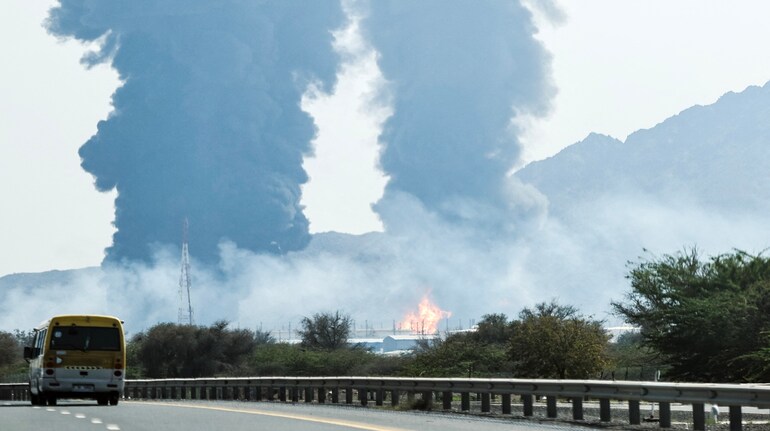

Beyond the battlefield and in energy market shocks, the widening conflict involving Iran, Israel and their allies is triggering a growing environmental crisis across West Asia.
Airstrikes on oil depots and refineries, attacks on shipping lanes, burning fuel infrastructure, and the massive fuel consumption of military operations are releasing toxic smoke, chemical pollutants, and oil spills into the air, water, and soil, damage scientists warn could harm ecosystems and public health for years.
The full scale of the damage is only beginning to emerge, say environmental researchers. The fallout ranges from toxic "black rain" over Tehran to oil spill risks in the Persian Gulf and rising greenhouse gas emissions from warships, bombers, and reconstruction efforts.
"The environmental cost of war often goes under the radar," several experts have been cited by AFP, warning that the consequences could linger long after the fighting stops.
Oil fires and 'black rain' over Tehran
One of the most visible signs of the environmental fallout came after Israeli strikes on oil depots near Tehran earlier this month. The attacks set fuel storage facilities ablaze, sending thick plumes of smoke into the sky and triggering a phenomenon residents described as “black rain”.
Scientists say the dark rainfall likely occurred when soot and chemical particles from burning oil mixed with passing storm clouds and fell back to the ground.
Such fires release a cocktail of pollutants, including sulphur compounds, particulate matter and heavy metals. When combined with rainfall, these chemicals can form acidic or toxic precipitation that affects air quality and contaminates soil and water.
Residents in the Iranian capital reported headaches, breathing problems and burning sensations in their eyes and throats after the incident.
The strikes also raised concerns about longer-term contamination. Burning crude oil and damaged storage tanks can release toxic substances that seep into groundwater and agricultural land.
Pollution risks across the region
Environmental monitoring groups say the Tehran oil depot fires are only part of a broader pattern of pollution incidents emerging from the conflict.
The UK-based Conflict and Environment Observatory (CEOBS) says it has identified hundreds of environmentally hazardous incidents across Iran and neighbouring countries since the fighting began.
"We’re just scratching the surface," Doug Weir, director of CEOBS, told AFP. "We can already see that there are hundreds of damaged facilities in Iran and neighbouring countries that pose pollution risks to people and the environment," he noted.
Weir said damaged oil infrastructure, military sites and the fragile marine environment of the Persian Gulf were among the biggest concerns.
Strikes on energy facilities, ports and ships can release large amounts of fuel and industrial chemicals, threatening fisheries, coastal ecosystems and drinking water supplies.
Warships, bombers and the climate cost of conflict
The environmental impact of war extends far beyond the immediate destruction of infrastructure.
Modern military operations require vast quantities of fuel, from long-range bomber flights to naval deployments and the logistics needed to support thousands of troops.
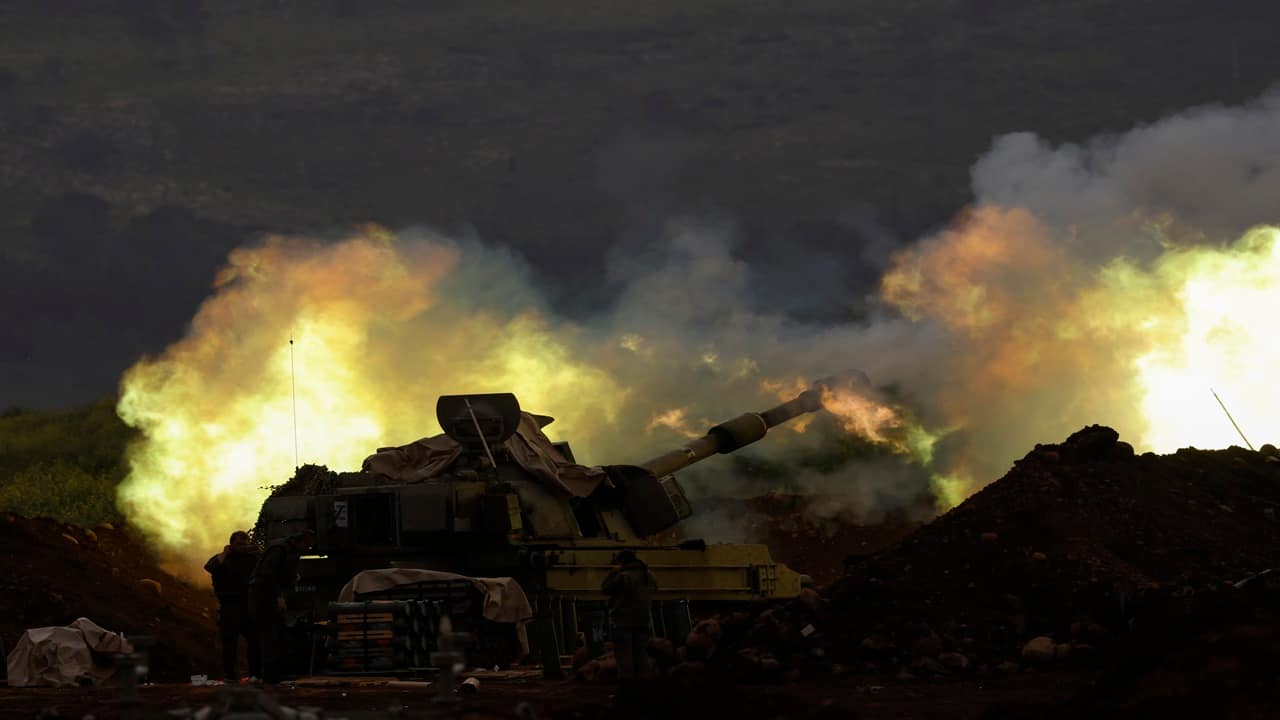
Benjamin Neimark, a researcher at Queen Mary University of London, said aircraft used by the U.S. and Israel to carry out bombing missions over Iran consume significant amounts of jet fuel.
"Deploying stealth bombers and fighter jets around the clock adds a significant amount of planet-warming greenhouse gas emissions into the atmosphere," he has been cited by AFP.
Naval operations also carry a large environmental footprint. While many aircraft carriers are nuclear powered, support vessels and onboard systems often rely on diesel generators. "These floating cities all need energy," Neimark said, referring to naval fleets operating in the region.
When researchers estimate the climate impact of war, they often include everything from weapons manufacturing to post-war reconstruction.
A study published in the journal One Earth estimated that the Gaza conflict produced about 33 million tonnes of carbon dioxide equivalent, roughly comparable to the emissions of millions of cars or the annual carbon output of a small country.
Another analysis by the Initiative on GHG Accounting of War estimated that the conflict in Ukraine generated more than 300 million tonnes of additional emissions, equivalent to France’s yearly emissions.
Energy infrastructure in the line of fire
The conflict is unfolding around the Strait of Hormuz, one of the world’s most critical energy chokepoints. A large share of global oil and gas exports passes through the narrow waterway linking the Persian Gulf to international markets.
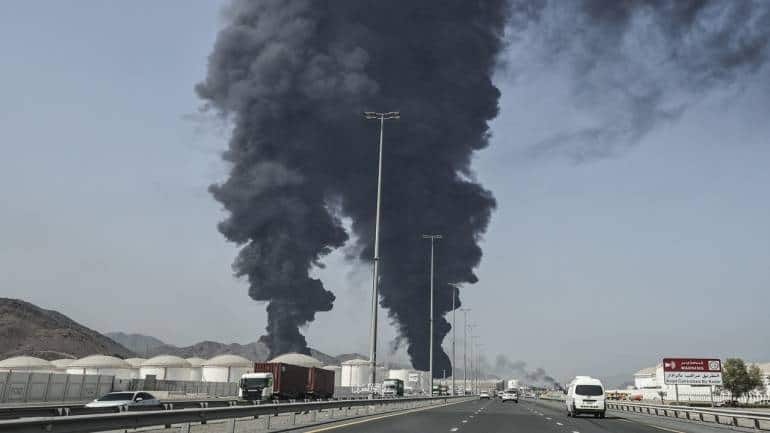 Smoke rises from a major energy installation in Fujairah, UAE, on March 14, after what appeared to be a strike on Gulf oil infrastructure hours after the US hit Iran’s Kharg Island.
Energy infrastructure, including oil refineries, storage terminals and tankers, has increasingly become a target during the fighting.
"Ships transporting oil and gas through the Strait of Hormuz, along with refineries and storage facilities, are all potential targets," Neimark said.
Burning oil installations can release enormous quantities of greenhouse gases and toxic smoke. Similar fires during the 1991 Gulf War, when retreating Iraqi forces ignited Kuwaiti oil wells, took months to extinguish and released an estimated 130 to 400 million tonnes of carbon dioxide equivalent.
Experts say the current conflict could produce similar environmental consequences if attacks on energy infrastructure continue.
"These toxic flames are deadly and have a severe climate cost," Neimark remarked.
A ripple effect on climate policy
Beyond direct environmental damage, the war is also influencing global energy markets and climate policy.
Since hostilities erupted on February 28, oil prices have surged amid fears of supply disruptions from the Gulf. Rising energy costs have forced governments to balance climate commitments with economic pressures.
Andreas Rudinger, an analyst at the Institute for Sustainable Development and International Relations, said policymakers were under growing pressure to protect consumers from higher fuel prices.
“Governments are under pressure to reduce the burden on prices over climate action,” he told AFP.
In Europe, officials have faced calls to ease emissions regulations to help lower energy costs. Some governments have introduced subsidies or tax cuts to reduce fuel prices for motorists.
However, Rudinger noted that higher fossil fuel prices could also accelerate the transition to cleaner energy. "From a purely economic standpoint, rising fossil fuel prices make decarbonisation and electrification solutions more attractive," he said.
The hidden environmental cost of modern warfare
Strikes on military installations, energy infrastructure, and industrial facilities can release a wide range of pollutants into the environment.
Mathilde Jourde, a researcher at the Institute for International and Strategic Relations (IRIS) in Paris, said attacks on nuclear, military, and energy sites can have "extremely polluting" consequences for air, water and soil.
Exploding munitions can scatter heavy metals and toxic chemicals across large areas, while fires at industrial sites release hazardous compounds into the atmosphere. These pollutants often persist long after the fighting ends, complicating clean-up efforts and increasing long-term health risks for nearby communities.
A war whose scars may last decades
As missiles strike oil depots, refineries and shipping routes across West Asia, the environmental consequences of the conflict are becoming increasingly visible. From blackened skies over Tehran to pollution risks in the Persian Gulf and rising greenhouse gas emissions from military operations, experts say the ecological damage could last for decades.
While wars are often measured in territorial gains or political outcomes, scientists warn that the true cost may also be written into the region’s air, soil, and oceans.
And as Doug Weir of CEOBS noted, the world may only be beginning to understand the scale of the damage, "We are just scratching the surface".

Discover the latest Business News, Sensex, and Nifty updates. Obtain Personal Finance insights, tax queries, and expert opinions on Moneycontrol or download the Moneycontrol App to stay updated!
Find the best of Al News in one place, specially curated for you every weekend.
Stay on top of the latest tech trends and biggest startup news.