German Chancellor Friedrich Merz’s government on Monday stressed that the war in the Middle East triggered by US and Israeli strikes on Iran is “not NATO’s war”, pushing back against calls from US President Donald Trump for allied involvement in securing vital shipping routes.
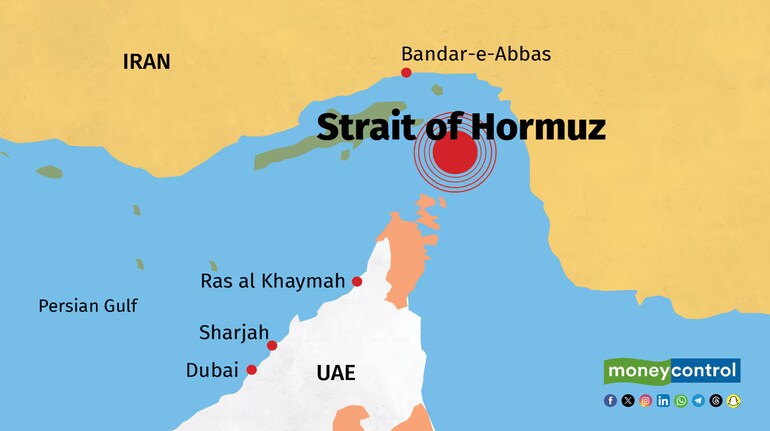
Trump has urged several nations, including South Korea, France, China and United Kingdom, to help ensure safe passage through the strategically important Strait of Hormuz after Tehran declared the waterway closed to US and allied vessels.
But Berlin made clear that the conflict does not fall under the alliance’s mandate.
“NATO is an alliance for the defence of territory” and “the mandate to deploy NATO is lacking” in the current situation, Merz’s spokesman Stefan Kornelius told reporters during a regular government briefing.
The German government also signalled that it wants clarity from both Israel and the United States about their objectives in Iran. A foreign ministry spokesman said Berlin needs to know from the two allies “at what point the military objectives in Iran will have been achieved”.
Merz himself warned last week that the conflict must end swiftly.
He said on Friday that the Middle East war must end “as soon as possible” as the conflict “benefits no-one and harms many economically, including us”.
Germany’s Defence Minister Boris Pistorius reiterated on Monday that Berlin has no plans to take part militarily in efforts to reopen the Strait of Hormuz, although it remains open to diplomatic support.
“There will be no military participation” from Germany but Berlin is prepared to support diplomatic efforts to “to ensure safe passage through the Strait of Hormuz”, he said.
Pistorius stressed that Germany had not been involved in the decision-making that led to the war. “We have a situation which we did not provoke... This war started without any consultations,” he added.
Germany’s military focus, he said, remains firmly within the alliance’s traditional area of responsibility. Germany's main responsibility is “for the eastern flank and the high north”, he said, and “we stay committed to that but we can't be anywhere in the world”.
He also questioned Washington’s expectations of European naval support in the Gulf. “What does Donald Trump expect from a handful of European frigates in the Strait of Hormuz that the mighty US navy cannot manage alone? This is the question I find myself asking,” Pistorius said.
The debate comes as the conflict continues to rattle global energy markets. Oil prices have surged sharply after Iran effectively choked off traffic through the Strait of Hormuz and targeted energy infrastructure across the Gulf in retaliation for the US-Israeli campaign.
Crude prices were hovering near $100 a barrel on Monday as the war entered its third week, with Israel saying it still has “thousands of targets in Iran” and is “identifying new targets every day”.
To prevent severe supply disruptions, members of the International Energy Agency have begun releasing hundreds of millions of barrels of crude from strategic reserves.
Trump has meanwhile intensified his push for international involvement in protecting shipping routes through the strait. “It's only appropriate that people who are the beneficiaries of the strait will help to make sure that nothing bad happens there,” he told the Financial Times, arguing that countries dependent on Gulf oil imports should contribute to naval escort operations.
The US president has also warned that NATO’s future could be “very bad” if allies fail to assist in reopening the waterway.
So far, however, several countries have reacted cautiously to the proposal.
Japan and Australia both indicated they were not planning military deployments, while China has urged restraint and called for an end to the fighting.
Iran has also warned other countries against becoming involved in the conflict.
In a phone call with French Foreign Minister Jean-Noel Barrot, Iran’s top diplomat Abbas Araghchi urged governments to “refrain from any action that could lead to escalation and expansion of the conflict”.
As the war spreads across parts of the Middle East and global markets remain volatile, European governments appear increasingly wary of being drawn directly into a widening confrontation.
Discover the latest Business News, Sensex, and Nifty updates. Obtain Personal Finance insights, tax queries, and expert opinions on Moneycontrol or download the Moneycontrol App to stay updated!





Find the best of Al News in one place, specially curated for you every weekend.
Stay on top of the latest tech trends and biggest startup news.