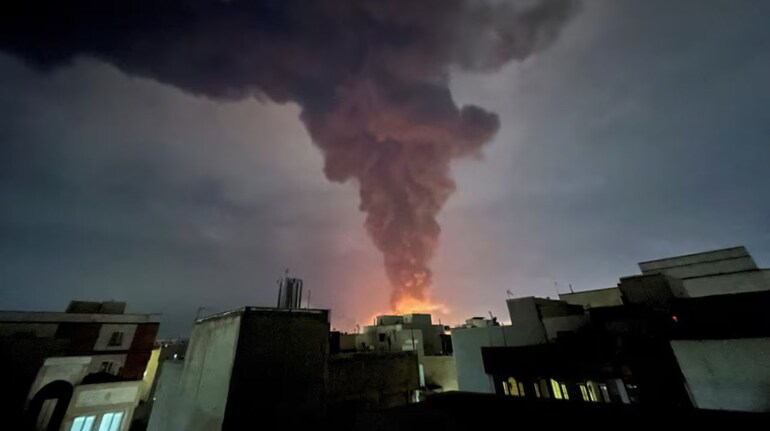

Iran’s stockpile of ballistic missiles has reportedly been reduced during the ongoing conflict in the Middle East, but analysts say the decline does not mean the war is nearing an end.
According to geopolitical analyst Ian Bremmer, Iran may now have fewer than 1,000 ballistic missiles remaining after weeks of strikes and interceptions during the conflict involving the United States and Israel. Bremmer said the reduction reflects both missiles already fired by Iran and others destroyed during airstrikes on launch sites and storage facilities.
Ballistic missiles have been one of Iran’s most important long-range weapons. They allow Tehran to strike targets hundreds or even thousands of kilometres away and have been central to its military strategy for years. During the current conflict, Iran has used missiles alongside drones to target military bases, infrastructure and strategic sites across the region.
Even so, analysts warn that the remaining stockpile is still large enough to sustain continued attacks.
Bremmer noted that a reduction in missile numbers does not automatically weaken Iran’s ability to threaten adversaries. Modern air defence systems rely on interceptor missiles to shoot down incoming projectiles. If those interceptors begin to run low, even a smaller number of Iranian missiles or drones could still penetrate defences.
That dynamic means the conflict could continue even if both sides see their stockpiles gradually decline.
Military analysts also note that Iran has increasingly relied on drones and cruise missiles in addition to ballistic missiles. These systems are often cheaper to produce and can be launched in large numbers, making them useful for overwhelming air defence systems.
Iran has developed a significant drone programme over the past decade. Variants such as the Shahed series have already been used extensively in regional conflicts and in Russia’s war in Ukraine.
The broader concern among defence experts is that the conflict has entered a stage where both sides still retain enough military capability to continue striking each other.
The United States and Israel have targeted Iranian missile infrastructure, command centres and storage facilities in repeated airstrikes since the conflict began. The stated goal of the campaign has been to degrade Iran’s missile programme and limit its ability to threaten regional targets.
However, military planners say eliminating a missile arsenal entirely is extremely difficult. Launchers, mobile systems and hidden storage facilities make it possible for countries to continue operating even after heavy losses.
As a result, analysts say the shrinking size of Iran’s missile stockpile should not be interpreted as a sign that the fighting will soon end. The conflict remains unpredictable, and both sides still possess significant military tools to continue the war.
Discover the latest Business News, Sensex, and Nifty updates. Obtain Personal Finance insights, tax queries, and expert opinions on Moneycontrol or download the Moneycontrol App to stay updated!
Find the best of Al News in one place, specially curated for you every weekend.
Stay on top of the latest tech trends and biggest startup news.