






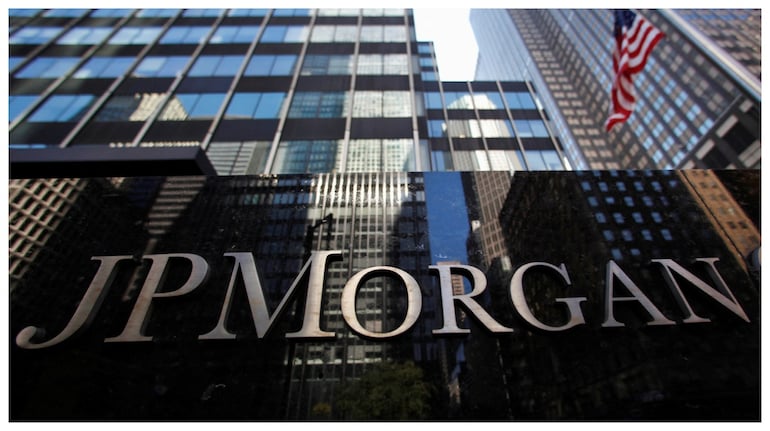
Epstein’s value to JPMorgan began with money and access. He arrived with more than $200 million across accounts, generated millions in fees, and opened doors to marquee relationships and deals, including introductions to figures like Sergey Brin and a $1.3 billion Highbridge acquisition that earned him a $15 million fee. Even after his 2008 guilty plea, his continued presence as a client conferred legitimacy he could trade on inside elite corporate and political circles, the New York Times reported.
Warnings inside the bank
Red flags multiplied as compliance staff tracked Epstein’s behaviour. Anti–money laundering specialists saw a pattern of tens of thousands of dollars in monthly cash withdrawals, expanding to more than $1.7 million across 2004–05, and noted frequent wires and account activity involving teenagers and young women, including accounts opened without proper in-person verification. Internally, these were recognized hallmarks of trafficking risk, yet alerts often failed to trigger decisive action.
Decisions at the top
Leadership weighed the risks and repeatedly chose to keep Epstein. General counsel Stephen Cutler and compliance chief William Langford pressed concern, but senior bankers—especially Jes Staley, a leading contender to succeed Jamie Dimon—defended Epstein and urged colleagues to “hear him out.” In October 2011, Epstein was escorted to JPMorgan’s Park Avenue headquarters as Cutler deliberated whether to “exit” him; after two conversations, the bank still did not insist on severing ties.
Why Epstein stayed
Profit, referrals, and proximity to power outweighed reputational alarms. Epstein funnelled prospects, dispensed access, and even became a sounding board for top executives—receiving confidential updates during the financial crisis and workshopping global strategy. Inside the private bank, emails joked about his “preferences” even as indictments and lawsuits mounted, and credit lines and services continued, including wiring funds abroad during and after his plea and jail term.
Work-arounds and escalation
When cash withdrawals drew scrutiny, Epstein shifted tactics. He tapped Hyperion Air’s JPMorgan account to pull nearly $300,000 in 2012 while telling bankers it covered aviation expenses—enough to mirror yearly payouts investigators later tied to procuring women. Meanwhile, audacious ambitions like “Project Molecule,” a proposed megafund seeded with Gates-foundation capital and JPMorgan clients, showed how Epstein kept dangling opportunity as internal patience thinned.
The belated break
Only after regulators issued a 2013 anti–money laundering cease-and-desist order did the bank move. Mary Erdoes delivered the message that “the repetitive nature” of Epstein’s cash activity, combined with his history, made the relationship untenable. Epstein shifted roughly $176 million to Deutsche Bank, yet he remained in regular contact with his former personal banker and stayed in the orbit of lucrative JPMorgan relationships he had helped cultivate.
Aftermath and accountability
The reckoning arrived only after Epstein’s 2019 arrest and death. JPMorgan retroactively filed reports flagging about 4,700 Epstein transactions totalling more than $1.1 billion and later settled civil cases for $290 million with victims and $75 million with the US Virgin Islands. The bank now calls the relationship a “mistake,” pins much blame on Staley, and maintains it did not help commit crimes, while Dimon says he doesn’t recall knowing of Epstein until 2019. Yet the record shows years of ignored warnings, internal equivocation, and repeated overrides that kept a lucrative client in good standing far too long.
Discover the latest Business News, Sensex, and Nifty updates. Obtain Personal Finance insights, tax queries, and expert opinions on Moneycontrol or download the Moneycontrol App to stay updated!
Find the best of Al News in one place, specially curated for you every weekend.
Stay on top of the latest tech trends and biggest startup news.









