Britain will rejoin the European Union’s Erasmus student exchange programme from 2027, reversing one of the most visible cultural ruptures of Brexit and marking a significant reset in UK–EU relations six years after the scheme was abandoned.
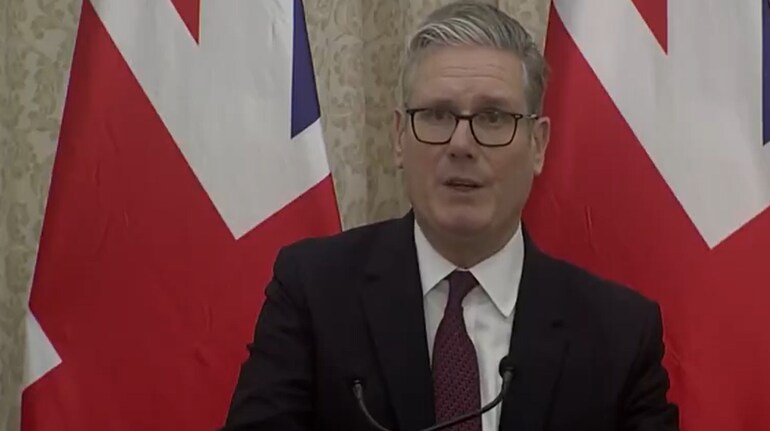
According to CNN report, the decision goes beyond student exchanges. It signals a deliberate political shift by Prime Minister Keir Starmer’s government towards rebuilding ties with Brussels, while reopening an emotionally charged debate about what Britain lost — and may now be paying more to regain — after leaving the EU.
The government called the move a “huge win” for young people, saying it would ensure that “everyone, from every background, has the opportunity to study and train abroad.” Erasmus allows students to study overseas while paying the same tuition fees as domestic students, removing a major financial barrier to international education.
Britain exited Erasmus in 2020 under then prime minister Boris Johnson, who argued the programme did not offer value for money. It was replaced with the domestic Turing Scheme, which critics say lacks the scale, reciprocity and prestige of Erasmus.
Rejoining the programme will not be cheap. Britain’s contribution for the 2027–28 academic year will be £570 million ($760 million). While that represents a 30% discount under current UK–EU trade terms, it is roughly double what the UK paid annually when it was an EU member. The higher cost is likely to raise uncomfortable questions about the economic trade-offs of Brexit.
Public discussion of Brexit remains politically sensitive, particularly on the right. Yet recent opinion polls suggest attitudes towards the EU are softening, with relatively few Britons now able to point to clear benefits from leaving the bloc. Against that backdrop, the return to Erasmus has taken on wider symbolic significance.
The groundwork for the agreement was laid at a UK–EU summit in May, where leaders pledged to “deepen our people-to-people ties, particularly for the younger generation.” Since coming to power last year, Starmer has repeatedly argued that Britain must move beyond the antagonism that defined post-referendum relations with Brussels.
Research has challenged claims that Erasmus was a financial burden. In a 2021 report, Chatham House said: “Far from acting as a drain on the economy, Erasmus has facilitated the movement of well-funded students into the UK for limited periods, during which they have provided a lucrative customer base for the higher education, services and hospitality sectors.” The think tank estimated Britain made a net profit of £243 million ($324 million) a year from participation.
The programme’s impact extends well beyond economics. A 2019 European Commission report found that more than one million “Erasmus babies” — children born to parents who met during exchanges — have been born since the scheme began in the 1980s.
University leaders argue Erasmus has also strengthened Britain’s global influence. Irene Tracey, Vice-Chancellor of the University of Oxford, said: “Even a brief visit to the UK – people love their time here. Many of these people are going to go on and become leaders of the public and private sector – or leaders of their countries – and that’s a good thing. We service that swirl of global talent. That’s soft power, and soft diplomacy.”
Nick Thomas-Symonds, Britain’s minister for EU relations, said the agreement was “about more than just travel: it’s about future skills, academic success, and giving the next generation access to the best possible opportunities.” European Commission President Ursula von der Leyen added that reviving Erasmus in Britain would open the door “to new shared experiences and lasting friendships” between British and European students.
Discover the latest Business News, Sensex, and Nifty updates. Obtain Personal Finance insights, tax queries, and expert opinions on Moneycontrol or download the Moneycontrol App to stay updated!
Find the best of Al News in one place, specially curated for you every weekend.
Stay on top of the latest tech trends and biggest startup news.