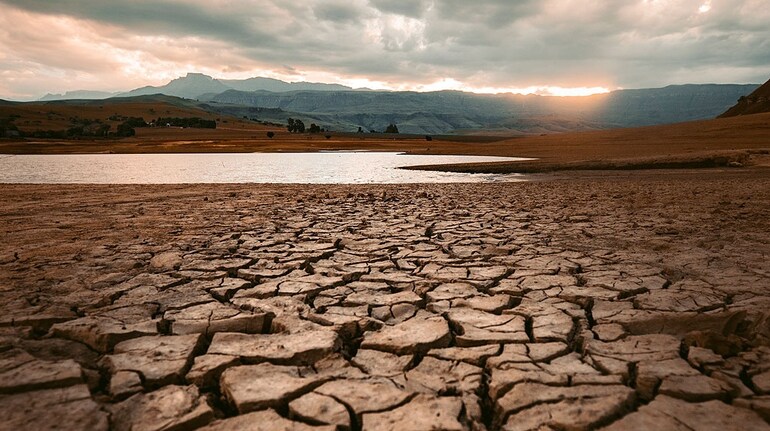
Scientists are starting to see the first hints that El Niño could return later this year. If it does, it could reshape weather patterns around the world and increase the chances that global temperatures will climb even higher, CNN reported.
El Niño is part of a natural climate cycle tied to the temperature of waters in the tropical Pacific Ocean. When those waters become unusually warm, it can set off changes in winds, rainfall and storms across large parts of the planet.
What scientists are seeing in the Pacific
Right now, researchers are tracking a pocket of warm water moving beneath the surface of the Pacific Ocean from west to east along the equator. That slow movement of heat is something scientists often notice before an El Niño develops.
For the moment, the world is still technically under weak La Niña conditions. La Niña is the cooler phase of the same climate cycle and can also influence weather patterns.
Most forecasts suggest that La Niña will gradually fade over the next few months. If that happens, the Pacific will likely move into a neutral phase where neither El Niño nor La Niña dominates. After that transition, there is a chance El Niño could begin forming later in the year.
Why scientists aren’t certain yet
Even though the ocean is beginning to show early signals, the atmosphere has not fully responded.
One of the key things scientists watch is the strength of the trade winds that blow across the Pacific. When those winds weaken, warm water from the western Pacific can move eastward and rise to the surface, helping El Niño take hold.
That shift in winds has not happened consistently yet. Climate models suggest it may occur in the coming months, but until it actually does, researchers remain cautious.
There is also a seasonal challenge. Predicting El Niño during the spring is notoriously difficult. Scientists even have a name for it — the “spring prediction barrier” — because forecasts made during this period tend to be less reliable.
What El Niño could mean for the world
If El Niño does form, it can change weather patterns far beyond the Pacific Ocean.
Some regions may see heavier rainfall and flooding, while others may experience drought or extreme heat. Parts of East Africa, for example, often see stronger rains during El Niño years.
El Niño also tends to push global temperatures higher. The warmer Pacific releases more heat into the atmosphere, adding to the long-term warming caused by greenhouse gases.
Some climate models even suggest the possibility of a strong El Niño later this year. If that happens, it could increase the chances of another record-warm year globally.
Possible effects on hurricanes
El Niño can also influence hurricane activity in the Atlantic. During El Niño years, wind shear over the Atlantic usually becomes stronger. Wind shear happens when winds change speed or direction at different heights in the atmosphere, which can make it harder for hurricanes to form and strengthen.
Because of this, strong El Niño years often see fewer Atlantic hurricanes.
When scientists will know more
For now, researchers say it is still too early to know exactly how things will unfold. Forecasts usually become clearer by early summer, when the Pacific climate system begins to show stronger signals. By June, scientists expect to have a better sense of whether El Niño is really developing — and how strongly it might shape the world’s weather in the months ahead.
Discover the latest Business News, Sensex, and Nifty updates. Obtain Personal Finance insights, tax queries, and expert opinions on Moneycontrol or download the Moneycontrol App to stay updated!
Find the best of Al News in one place, specially curated for you every weekend.
Stay on top of the latest tech trends and biggest startup news.