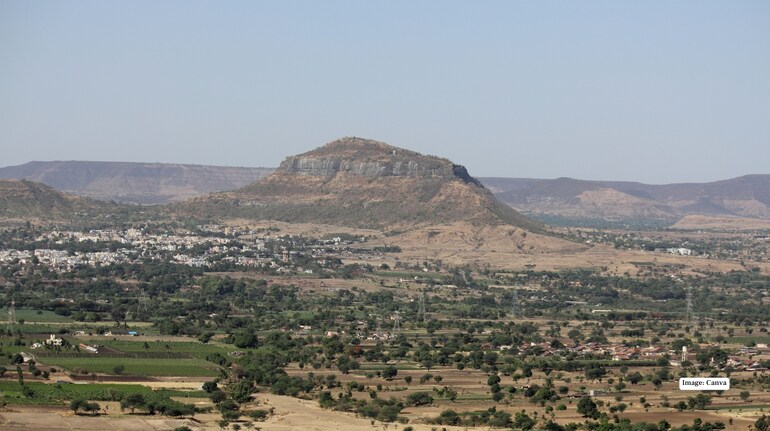

Every year on February 19, chants of “Jai Bhavani, Jai Shivaji” echo across Maharashtra as people celebrate the birth anniversary of one of India’s most revered rulers — Chhatrapati Shivaji Maharaj. While processions, cultural programmes and tributes mark the day in cities and towns, the heart of the celebration lies atop a rugged hill in Pune district — at Shivneri Fort.
Overlooking the historic town of Junnar, this imposing hill fort is not just another Maratha-era stronghold. It is the birthplace of Shivaji Maharaj, the founder of the Maratha Empire, born on February 19, 1630.
A birth that shaped history
Born as Shivaji Raje Bhonsle to Shahaji Bhosale and Jijabai, the future king spent his formative years within the fortified walls of Shivneri. Surrounded by steep cliffs on all sides, the fort was virtually impregnable — a secure sanctuary chosen deliberately by his parents.
Historians believe that it was here, under the guidance of Jijabai and inspired by tales of valour and justice, that young Shivaji first dreamt of Swarajya — self-rule. The fort, in many ways, became the cradle not just of a king, but of an idea that would alter the political landscape of 17th-century India.
A fort built to endure
Dating back to around the 6th century, Shivneri has witnessed the rule of several dynasties before becoming a strategic military base under the Bhosale family. Its design reflects remarkable military foresight.
The fort is triangular in shape and protected by seven massive gates, each positioned to slow down enemy advances. The layered fortifications made direct assault extremely difficult. Inside, water management systems ensured survival during prolonged sieges. Reservoirs such as Badami Talav and the perennial Ganga-Jamuna springs still stand as testimony to the fort’s self-sustaining design.
Hidden pathways, strong bastions and elevated vantage points reveal how carefully Shivneri was planned. Every stone seems to tell a story of preparedness and resilience.
Sacred landmarks within the fort
For visitors, the most emotionally powerful spot is a modest stone structure believed to mark Shivaji Maharaj’s birthplace. A statue of Jijabai with young Shivaji adds depth to the site, symbolising the mother-son bond that shaped a visionary ruler.
The fort also houses the revered Shivai Devi Temple, from which Shivneri derives its name. Devotees believe that Goddess Shivai blessed the young prince, influencing his destiny.
Walking through the fort feels less like a typical sightseeing experience and more like stepping into a living chapter of Maratha history.
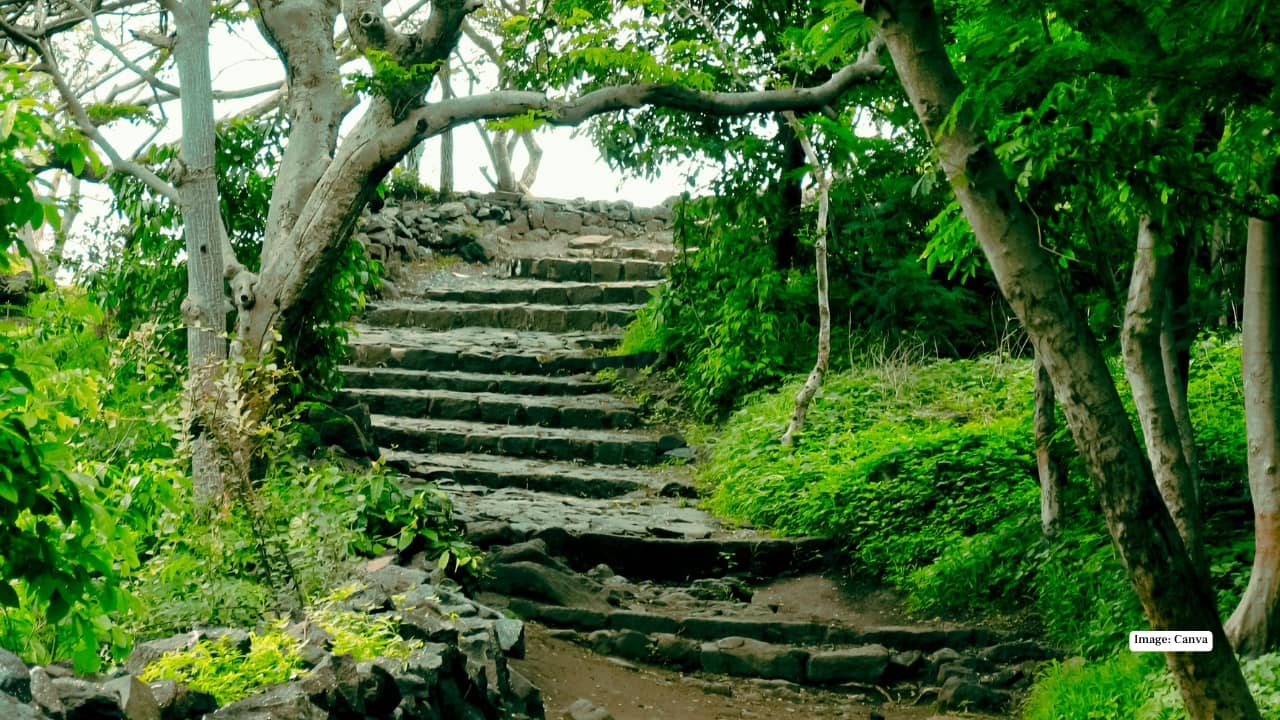 Image: Canva
A trek with a view
Reaching Shivneri involves a moderate trek that suits both beginners and seasoned hikers. The path winds through rocky terrain and greenery, gradually opening up to sweeping views of the Sahyadri ranges.
On clear winter mornings, the landscape stretches endlessly in muted browns and greens. During the monsoon, the hills turn lush and mist-laden, though trekkers need to exercise caution as the trail can get slippery.
From the top, panoramic views of Junnar and the surrounding valleys make the climb worthwhile — especially for photographers and nature lovers.
When to visit
Winter (October to February): The most comfortable season for trekking and sightseeing, with clear skies and pleasant temperatures.
Monsoon (June to September): The fort is at its scenic best, wrapped in greenery and mist. However, caution is advised on wet trails.
Summer (March to May): Early morning or late afternoon visits are recommended to avoid the heat.
Many travellers prefer visiting around Shivaji Jayanti on February 19, when the fort comes alive with traditional music, historical reenactments and cultural tributes.
How to reach Shivneri Fort
Shivneri Fort is approximately 90 km from Pune and about 150 km from Mumbai.
By road: Well-connected via state transport buses and private vehicles to Junnar. The fort is just 2–3 km from the town.
By rail: The nearest major railway station is Pune Junction, from where taxis and buses are available.
By air: Pune International Airport is the closest airport.
The drive itself is scenic, passing through the dramatic stretches of the Sahyadris.
What else to explore nearby
The region around Shivneri offers a rich mix of heritage and nature:
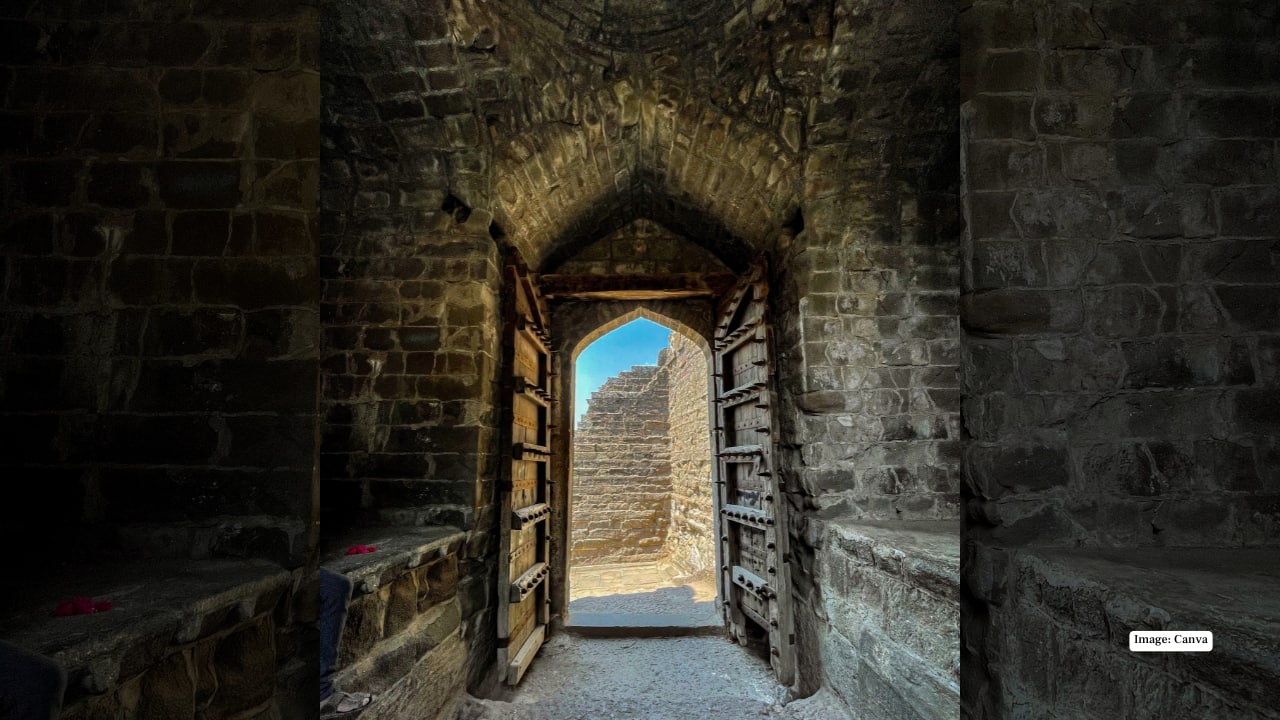 Image: Canva
More than a fort
Shivneri Fort is not merely a historic structure perched on a hill. It is a symbol of Maharashtra’s pride and identity. Standing within its walls, it is easy to imagine the early footsteps of a child who would go on to challenge mighty empires and lay the foundation of Swarajya.
On Chhatrapati Shivaji Maharaj Jayanti, as celebrations unfold across the state, Shivneri remains the quiet yet powerful reminder of where that extraordinary journey began.

Discover the latest Business News, Sensex, and Nifty updates. Obtain Personal Finance insights, tax queries, and expert opinions on Moneycontrol or download the Moneycontrol App to stay updated!
Find the best of Al News in one place, specially curated for you every weekend.
Stay on top of the latest tech trends and biggest startup news.