-
My Account











9 Beautiful Mughal Gardens That Still Exist
Discover 9 breathtaking Mughal gardens in India that still flourish today — from Srinagar’s Shalimar Bagh and Delhi’s Humayun’s Tomb gardens to Agra’s Taj Mahal garden. Explore the timeless beauty, symmetry, and serenity of Mughal-era landscapes.




1/10
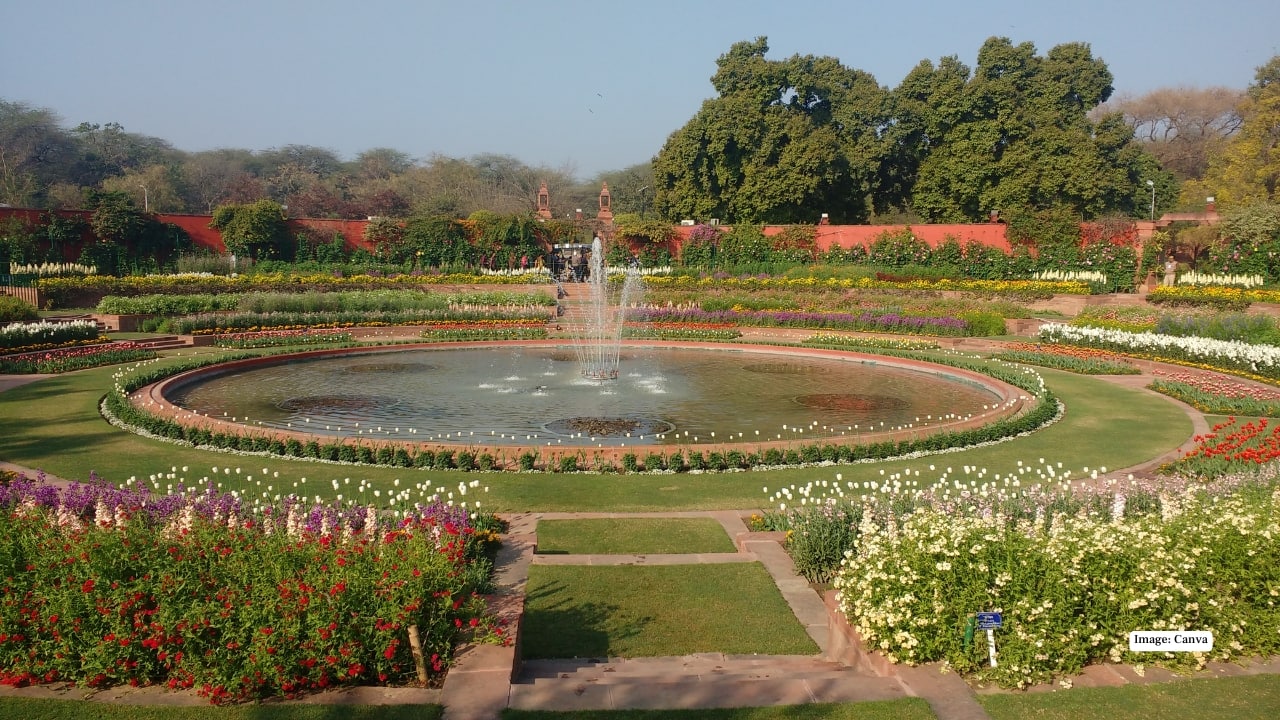
The Mughals weren’t just emperors — they were visionaries who painted nature with symmetry, fountains, and floral geometry. Inspired by Persian Charbagh (fourfold garden) design, their gardens symbolized paradise on earth. Many of these marvels still thrive today, blending history, architecture, and serenity. Here are 9 Mughal gardens you can still visit and experience in all their timeless beauty:
2/10
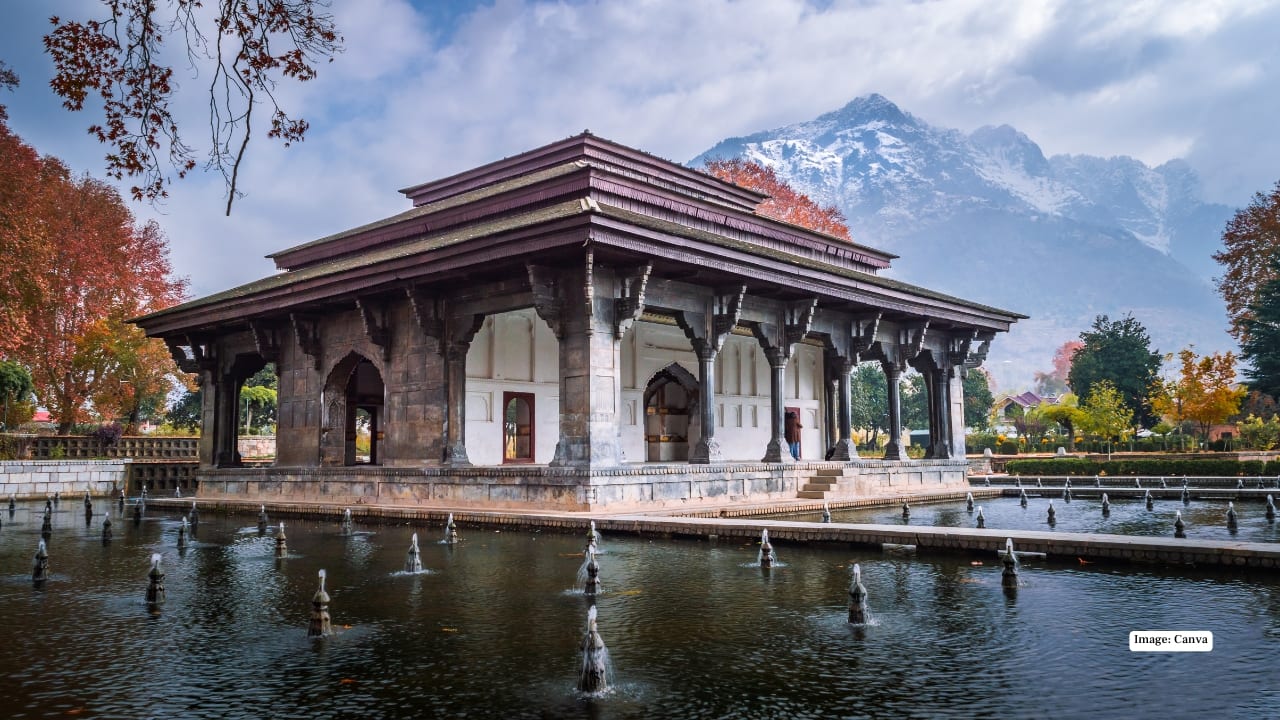
1. Shalimar Bagh, Srinagar (Jammu & Kashmir)
Commissioned by Emperor Jahangir in 1619 for his beloved Nur Jahan, Shalimar Bagh remains one of the finest examples of Mughal landscaping. With cascading terraces, flowing water channels, and chinar trees, it’s a masterpiece that mirrors Kashmir’s natural charm.
Commissioned by Emperor Jahangir in 1619 for his beloved Nur Jahan, Shalimar Bagh remains one of the finest examples of Mughal landscaping. With cascading terraces, flowing water channels, and chinar trees, it’s a masterpiece that mirrors Kashmir’s natural charm.
3/10
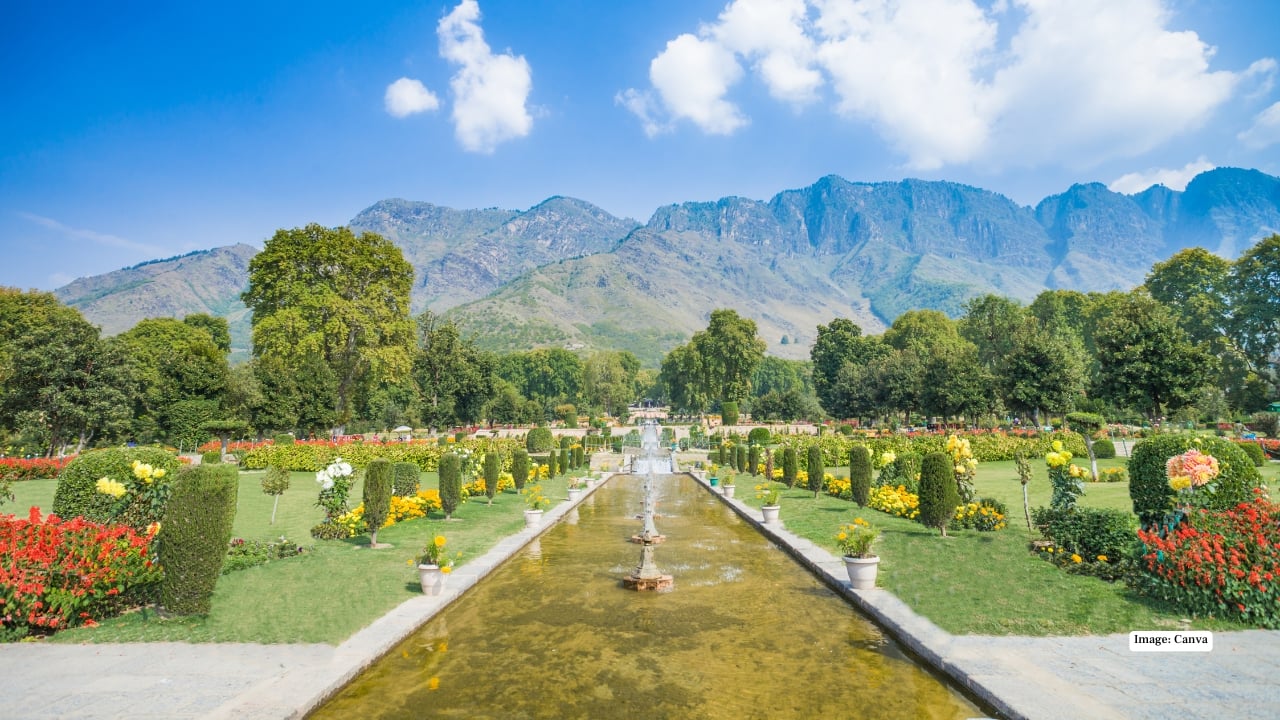
2. Nishat Bagh, Srinagar
Meaning “Garden of Joy,” Nishat Bagh was built by Asif Khan, Nur Jahan’s brother. Overlooking the Dal Lake, it’s famed for its 12 terraces — each symbolizing a zodiac sign — and stunning views of the Zabarwan Range.
Meaning “Garden of Joy,” Nishat Bagh was built by Asif Khan, Nur Jahan’s brother. Overlooking the Dal Lake, it’s famed for its 12 terraces — each symbolizing a zodiac sign — and stunning views of the Zabarwan Range.
4/10
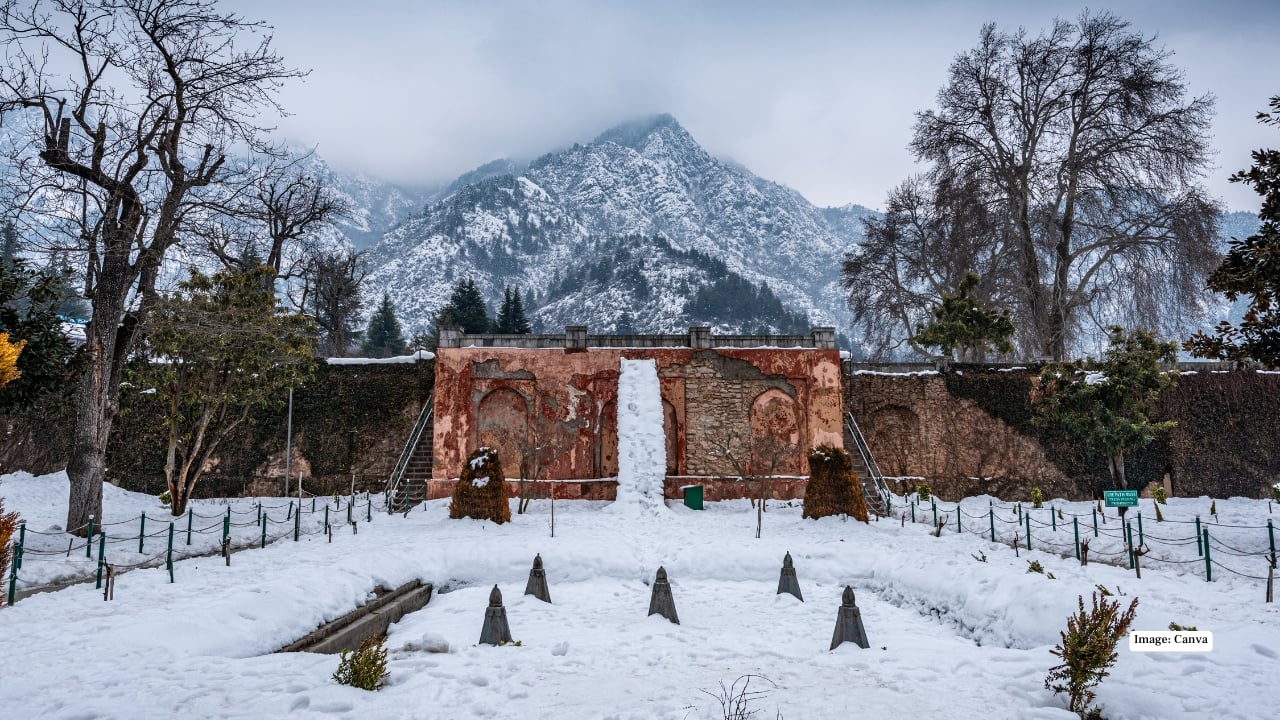
3. Chashme Shahi, Srinagar
The smallest yet most enchanting of Srinagar’s Mughal gardens, Chashme Shahi was laid out by Ali Mardan Khan in 1632. Its natural spring, said to have medicinal properties, still flows through the heart of the garden.
The smallest yet most enchanting of Srinagar’s Mughal gardens, Chashme Shahi was laid out by Ali Mardan Khan in 1632. Its natural spring, said to have medicinal properties, still flows through the heart of the garden.
5/10
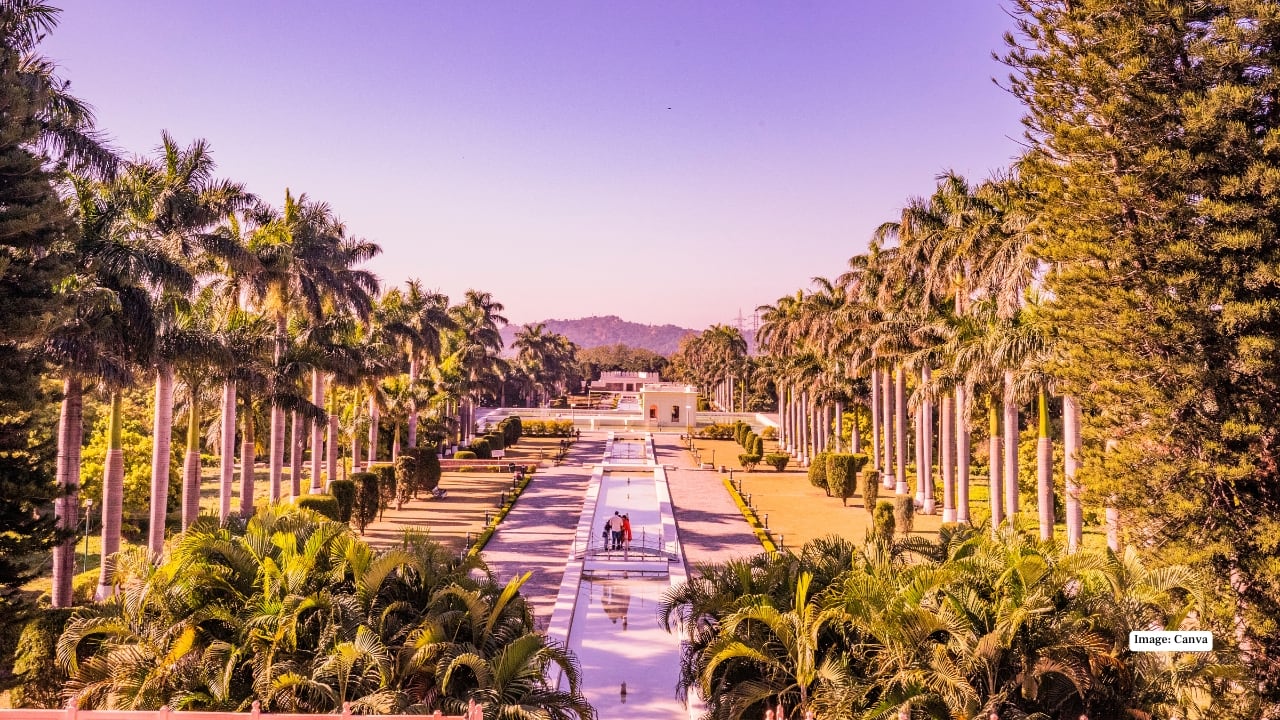
4. Pinjore Gardens, Haryana
Also known as Yadavindra Gardens, this 17th-century Mughal creation was restored by Maharaja Yadavindra Singh of Patiala. With multi-level terraces, fountains, and open pavilions, it perfectly captures the Mughal sense of grandeur.
Also known as Yadavindra Gardens, this 17th-century Mughal creation was restored by Maharaja Yadavindra Singh of Patiala. With multi-level terraces, fountains, and open pavilions, it perfectly captures the Mughal sense of grandeur.
6/10
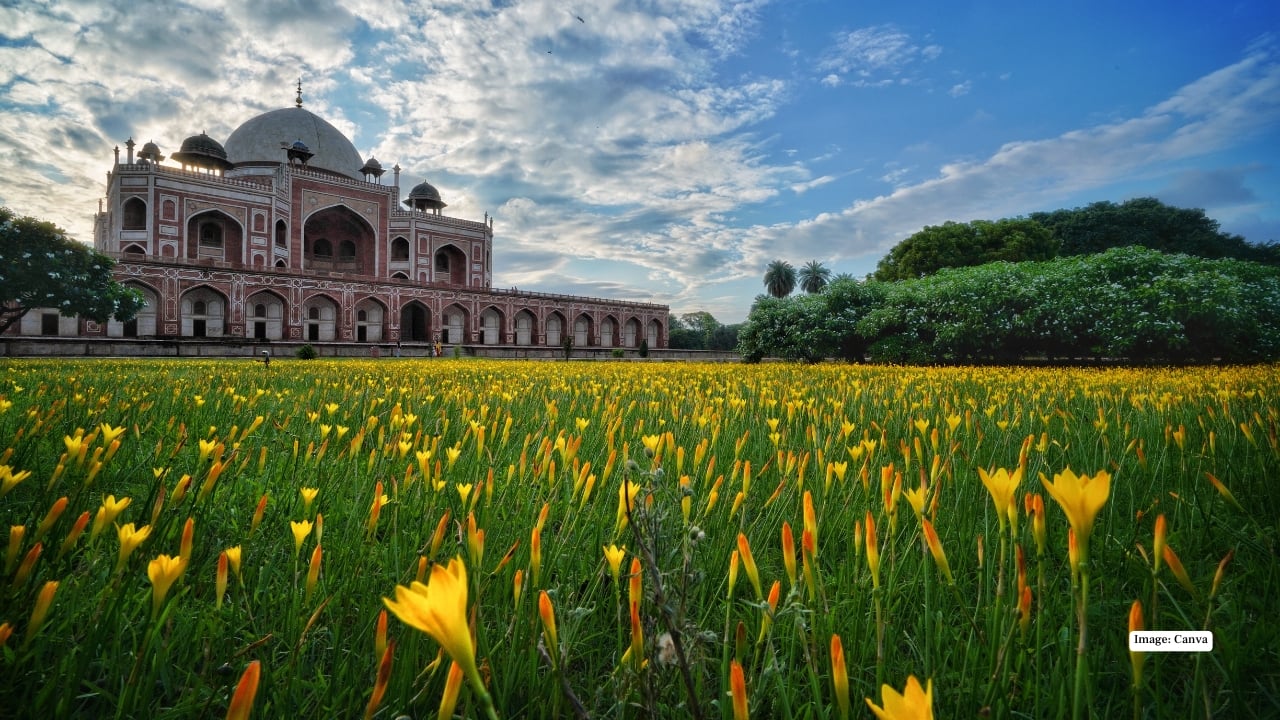
5. Humayun’s Tomb Gardens, Delhi
One of the earliest examples of the Charbagh style in India, Humayun’s Tomb garden inspired later Mughal masterpieces — including the Taj Mahal. Divided into quadrants by water channels, the garden’s symmetry and scale are awe-inspiring.
One of the earliest examples of the Charbagh style in India, Humayun’s Tomb garden inspired later Mughal masterpieces — including the Taj Mahal. Divided into quadrants by water channels, the garden’s symmetry and scale are awe-inspiring.
7/10
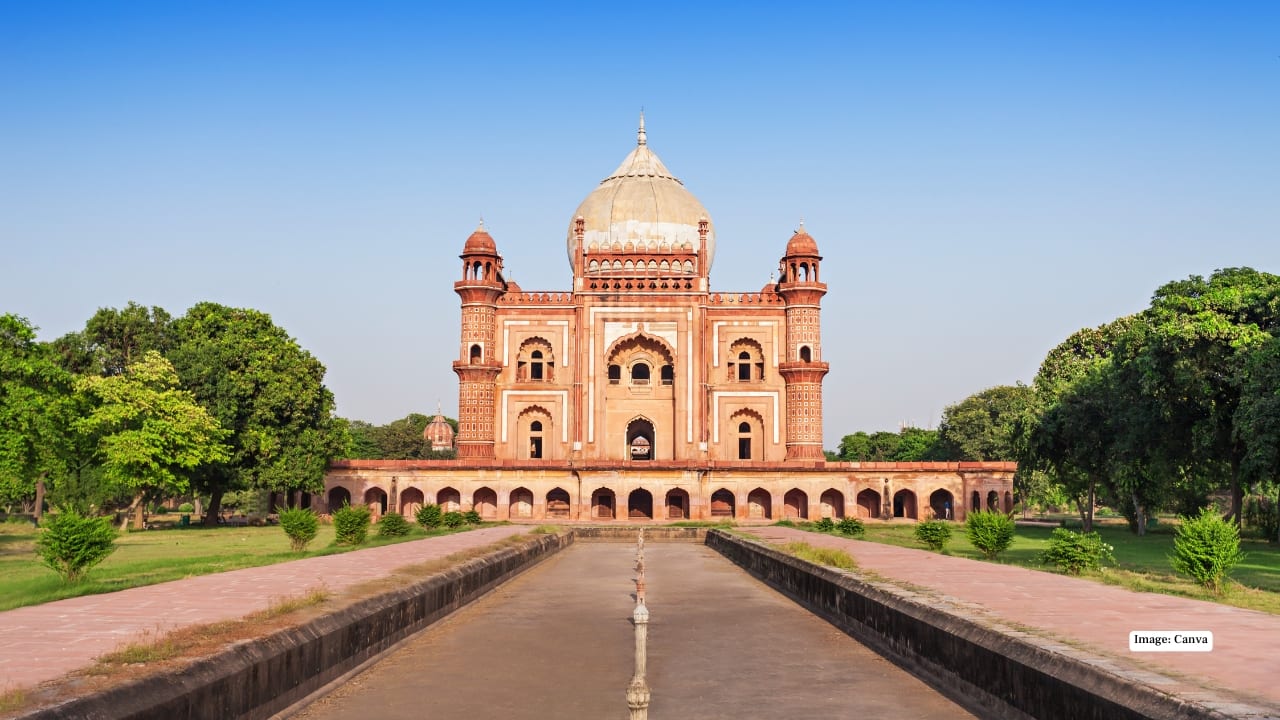
6. Safdarjung’s Tomb Garden, Delhi
Built in the mid-18th century, this garden tomb reflects the fading grandeur of late Mughal architecture. The lush lawns, domed gateways, and water channels maintain the timeless Mughal essence.
Built in the mid-18th century, this garden tomb reflects the fading grandeur of late Mughal architecture. The lush lawns, domed gateways, and water channels maintain the timeless Mughal essence.
8/10
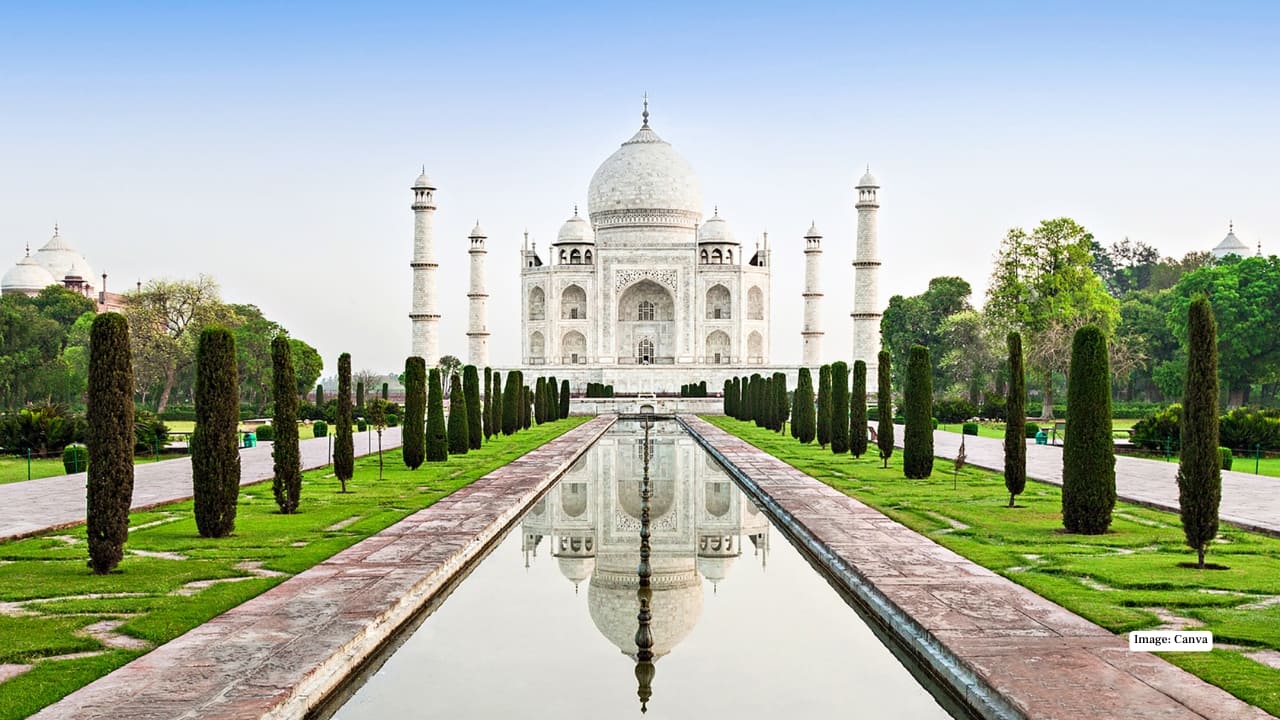
7. Taj Mahal Garden, Agra
The most famous of them all — the Taj Mahal garden represents the ultimate Charbagh design, symbolizing paradise. The garden’s reflecting pool mirrors the white marble mausoleum, creating one of the most photographed views on earth.
The most famous of them all — the Taj Mahal garden represents the ultimate Charbagh design, symbolizing paradise. The garden’s reflecting pool mirrors the white marble mausoleum, creating one of the most photographed views on earth.
9/10
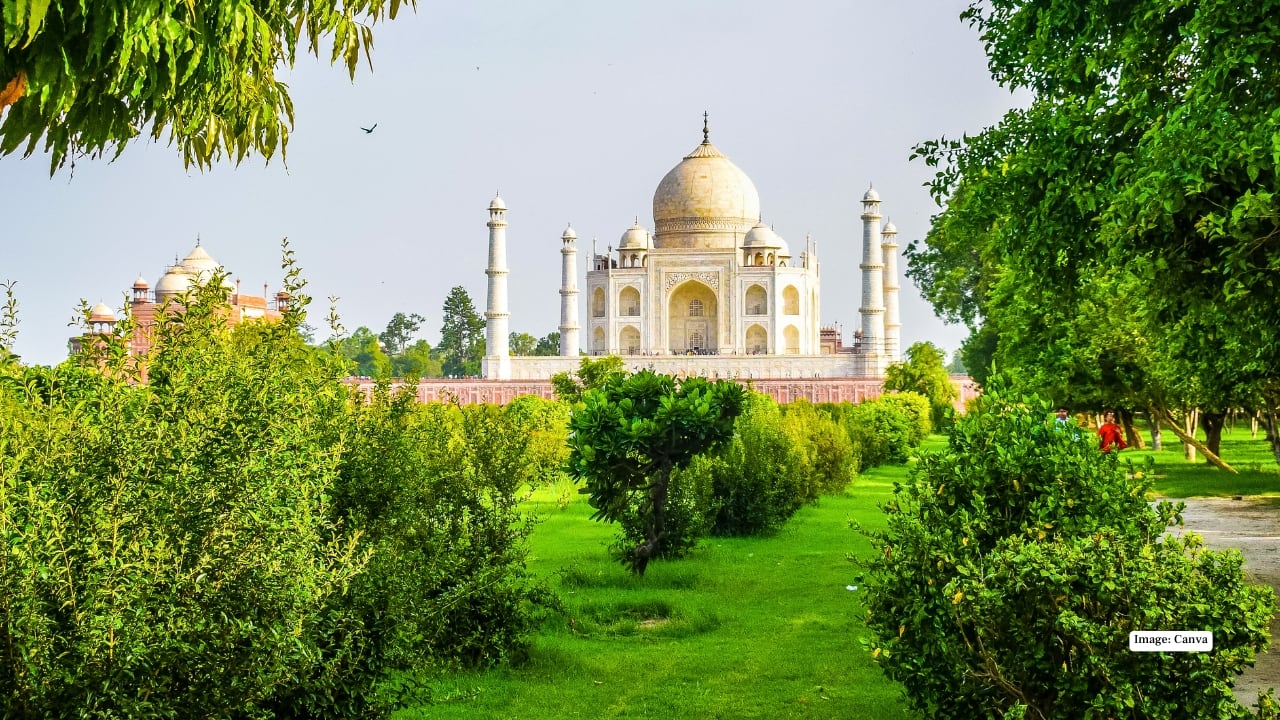
8. Mehtab Bagh, Agra
Situated directly across the Yamuna River from the Taj Mahal, Mehtab Bagh (“Moonlight Garden”) was laid out by Emperor Babur. Restored in the 1990s, it offers a serene, crowd-free view of the Taj framed by greenery.
Situated directly across the Yamuna River from the Taj Mahal, Mehtab Bagh (“Moonlight Garden”) was laid out by Emperor Babur. Restored in the 1990s, it offers a serene, crowd-free view of the Taj framed by greenery.
10/10
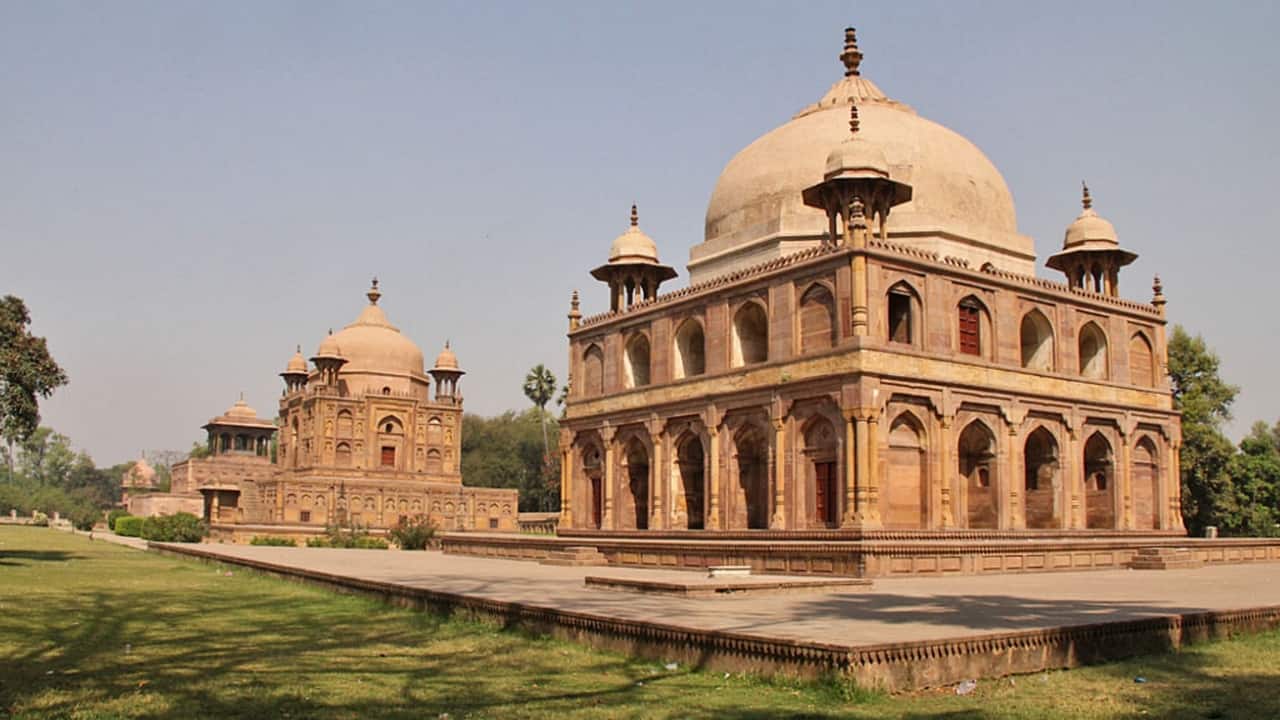
9. Khusro Bagh, Prayagraj (Uttar Pradesh)
A lesser-known gem, Khusro Bagh is the final resting place of Prince Khusro, son of Jahangir. Its walled garden complex features stunning sandstone mausoleums surrounded by manicured Mughal-style lawns. (Image: Islamic Architectural Heritage)
A lesser-known gem, Khusro Bagh is the final resting place of Prince Khusro, son of Jahangir. Its walled garden complex features stunning sandstone mausoleums surrounded by manicured Mughal-style lawns. (Image: Islamic Architectural Heritage)
Discover the latest Business News, Budget 2025 News, Sensex, and Nifty updates. Obtain Personal Finance insights, tax queries, and expert opinions on Moneycontrol or download the Moneycontrol App to stay updated!



