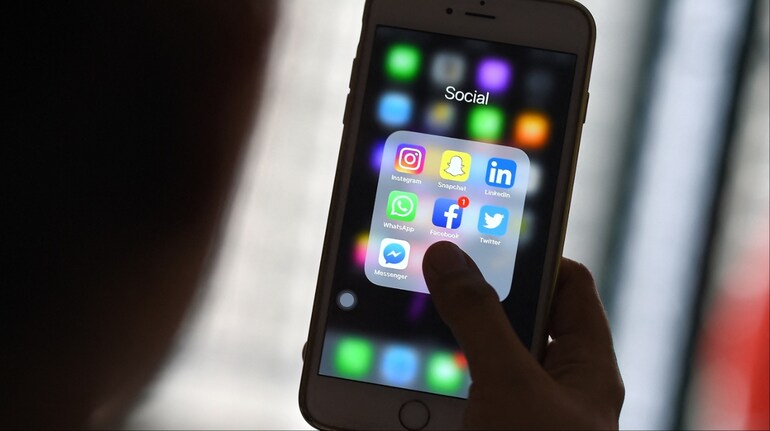
Nepal has lifted its nationwide ban on social media platforms including Facebook, WhatsApp, Instagram, YouTube, and Twitter after violent protests left 19 people dead. The government’s reversal comes amid mounting pressure from young demonstrators demanding accountability and wider reforms.
Why Nepal banned social media platforms
Nepal’s government imposed a sudden ban on major social media platforms including Facebook, WhatsApp, Instagram, YouTube, and Twitter on September 4. Officials justified the move by citing non-compliance with new registration requirements for digital platforms operating in the country. The government claimed the ban was necessary to regulate online spaces, curb misinformation, and ensure accountability from tech companies.
Protests triggered by the ban
Instead of calming tensions, the ban fueled widespread unrest. Thousands of young demonstrators, largely from the so-called “Gen Z” generation, took to the streets to oppose what they saw as a restriction on freedom of expression. The protests quickly grew into one of the largest movements in Nepal’s recent history. Demonstrators argued that access to social media was not only vital for communication but also essential for businesses and families, particularly for those with relatives working abroad.
Violence and casualties during demonstrations
The protests turned violent as security forces responded with heavy crackdowns. Reports from Kathmandu and other cities confirmed the use of live ammunition, rubber bullets, and water cannons on crowds. Hospitals in the capital were overwhelmed as at least 400 people were injured. By the end of the clashes, at least 19 deaths had been reported, sparking international concern and drawing condemnation from rights groups.
Why the ban was lifted
Facing mounting pressure, the government announced on Tuesday morning that the ban would be lifted, restoring access to all 26 previously blocked platforms. Officials admitted the decision was made to “address the demands raised by Gen Z” and to prevent further escalation. Analysts suggest the reversal was also an attempt to control growing discontent that had expanded beyond the social media issue.
Although the platforms are back online, the protests have not subsided. Demonstrators continue to demand accountability for the violent crackdown and are calling for the resignation of Prime Minister KP Sharma Oli. Many protesters view the ban as only one part of a larger crisis, pointing to corruption, economic hardship, and inequality as underlying reasons for their anger. Experts believe the youth-led movement has taken inspiration from similar protests in Indonesia and Bangladesh, suggesting Nepal’s “Gen Z protest” is part of a wider regional trend. The United Nations has called for an impartial investigation into the use of force, while international embassies, including those of the U.S. and U.K., have voiced support for freedom of expression and peaceful assembly.


Discover the latest Business News, Sensex, and Nifty updates. Obtain Personal Finance insights, tax queries, and expert opinions on Moneycontrol or download the Moneycontrol App to stay updated!
Find the best of Al News in one place, specially curated for you every weekend.
Stay on top of the latest tech trends and biggest startup news.