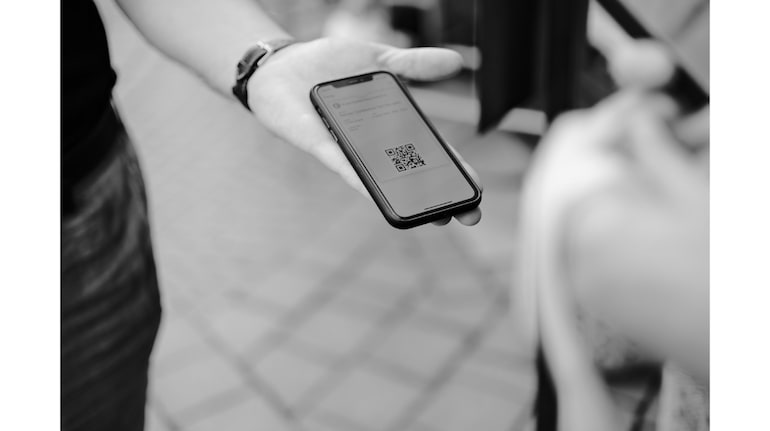
The humble QR code, once a simple convenience for menus and payments, has now become a prime weapon for scammers. The FBI has issued a new warning highlighting a surge in QR code scams, particularly a troubling variation involving fake packages delivered to unsuspecting recipients.
Here’s how the scam works: Fraudsters send you a mystery package you never ordered. On it is a QR code, seemingly innocent and tempting your curiosity. But scanning that code could lead you down a malicious rabbit hole — exposing your financial details, installing malware on your device, or even pulling sensitive data from your phone.
While this isn’t as widespread as classic frauds, the FBI stresses that people should be aware of this evolving threat. The scheme builds on the old “brushing scam,” where shady sellers send unordered goods to fabricate fake positive reviews. This new twist ups the ante by using QR codes to trick victims into more dangerous forms of fraud.
It’s not just mysterious packages. QR code scams are cropping up in public spaces too. The New York Department of Transportation recently flagged incidents where criminals stuck fake QR codes on parking meters, redirecting users to phishing sites that steal credit card information.
Given the rise of QR codes in daily life, scammers are increasingly slapping counterfeit codes over legitimate ones. To protect yourself, always scrutinise the URL that pops up when you scan a code. If it looks odd, don’t tap it. And if a QR code comes attached to a package you didn’t order — steer clear entirely.


Discover the latest Business News, Sensex, and Nifty updates. Obtain Personal Finance insights, tax queries, and expert opinions on Moneycontrol or download the Moneycontrol App to stay updated!
Find the best of Al News in one place, specially curated for you every weekend.
Stay on top of the latest tech trends and biggest startup news.